
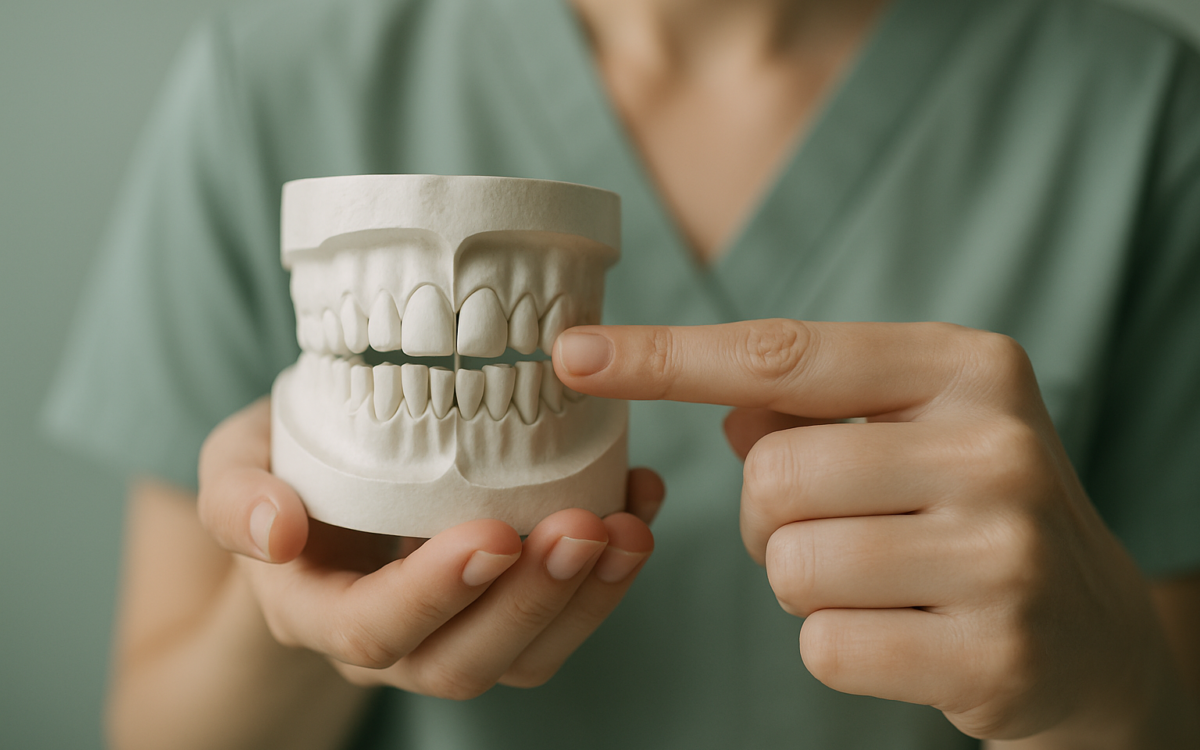
Bone loss in teeth is a significant health concern that often goes unnoticed until it leads to serious dental issues. While many people associate bone loss with conditions like osteoporosis, the jawbone can also suffer from similar degradation, affecting the stability and health of your teeth. Understanding bone loss in teeth is essential for maintaining a healthy smile.
What is Bone Loss in Teeth?
Bone loss in teeth refers to the deterioration of the jawbone that supports the teeth. This process can result from various factors, including dental diseases, aging, and lifestyle choices. When bone density decreases, it affects the structure and stability of teeth, making them more susceptible to loosening and, eventually, loss.
Causes of Bone Loss in Teeth
Several factors contribute to bone loss around the teeth. Here are some of the most common:
- Periodontal Disease: One of the leading causes of bone loss in teeth is periodontal disease, a serious infection of the gums. This condition can destroy both gum tissue and the bone that supports teeth. As the disease progresses, it can lead to gum recession and bone loss.
- Aging: As we age, bone density naturally decreases. The jawbone does not regenerate as effectively, increasing the risk of bone loss around teeth.
- Tooth Loss: When a tooth is lost, the bone that once supported it can begin to deteriorate due to lack of stimulation. This loss of stimulation is caused by the absence of the tooth root, which normally helps maintain bone density.
- Hormonal Changes: Hormonal changes, especially in women during menopause, can lead to decreased bone density, impacting oral health. The decrease in estrogen levels can accelerate bone resorption and contribute to loss of jawbone density.
- Lifestyle Factors: Smoking, excessive alcohol consumption, and poor diet can exacerbate bone loss in teeth. Poor nutrition can lead to deficiencies in calcium and vitamin D, both of which are vital for maintaining bone health.
- Medical Conditions: Certain health conditions, such as diabetes or autoimmune disorders, can further accelerate bone loss due to inflammation and other systemic changes in the body.
Effects of Bone Loss on Oral Health
Bone loss in teeth can lead to several oral health issues. Here are some of the ways it can affect your mouth:
- Tooth Mobility: The most immediate consequence of bone loss is that it affects the anchorage of teeth, making them loose.
- Changes in Bite: Bone loss can alter the way your teeth align, affecting how you bite and chew.
- Aesthetic Changes: As bone mass decreases, it can cause visible changes in facial aesthetics, such as sagging or sunken cheeks.
- Increased Risk of Tooth Loss: Ultimately, significant bone loss can result in tooth loss, requiring more extensive dental work to address.
Preventing Bone Loss in Teeth
Fortunately, there are steps you can take to help prevent bone loss in teeth:
- Maintain Oral Hygiene: Brush twice a day and floss daily to minimize the risk of periodontal disease. Regular dental check-ups are vital for early detection of oral health issues.
- Eat a Balanced Diet: Ensure your diet is rich in calcium and vitamin D, which are essential for bone health. Dairy products, leafy greens, and fish are great sources.
- Avoid Tobacco: Quitting smoking can significantly improve gum health and reduce the risk of periodontal disease.
- Stay Active: Engaging in weight-bearing exercises helps strengthen bone density. Even simple activities such as walking can be beneficial.
- Manage Chronic Conditions: If you have diabetes or other chronic health conditions, work with your healthcare provider to manage these effectively.
- Consider Bone Health Supplements: Consult with your doctor or dentist about calcium and vitamin D supplements if dietary intake is lacking.
When to See a Doctor
If you notice symptoms such as loose teeth, receding gums, or chronic bad breath, it’s important to consult with a dental professional. Proper assessment and treatment can halt the progression of bone loss and protect your smile.
Conclusion
Bone loss in teeth is a serious issue that can have long-lasting effects on your oral health. By understanding its causes and symptoms, you can take proactive measures to maintain healthy bones and teeth. Regular dental visits and good oral hygiene practices are key to ensuring your mouth stays healthy and functional for years to come. For more information on how to protect your dental health, please refer to reputable sources such as the National Institutes of Health and the Mayo Clinic.
