
Gum disease is a common issue that can have serious consequences if left untreated. One of the earliest forms of this disease is early stage gingivitis. Understanding what it is, what causes it, and how to prevent it can help you maintain a healthy smile. This article will guide you through the key aspects of early stage gingivitis, including its symptoms, risk factors, and steps to protect your gum health.
What is Early Stage Gingivitis?
Early stage gingivitis is an inflammation of the gums resulting from the buildup of plaque, a sticky film of bacteria that forms on teeth. When plaque is not removed through regular brushing and flossing, it can lead to gingivitis, the first stage of gum disease. Unlike more advanced forms of gum disease, early stage gingivitis is often reversible with proper care.
Signs and Symptoms of Early Stage Gingivitis
Noticing the symptoms of early stage gingivitis is crucial for timely intervention. Common signs include:
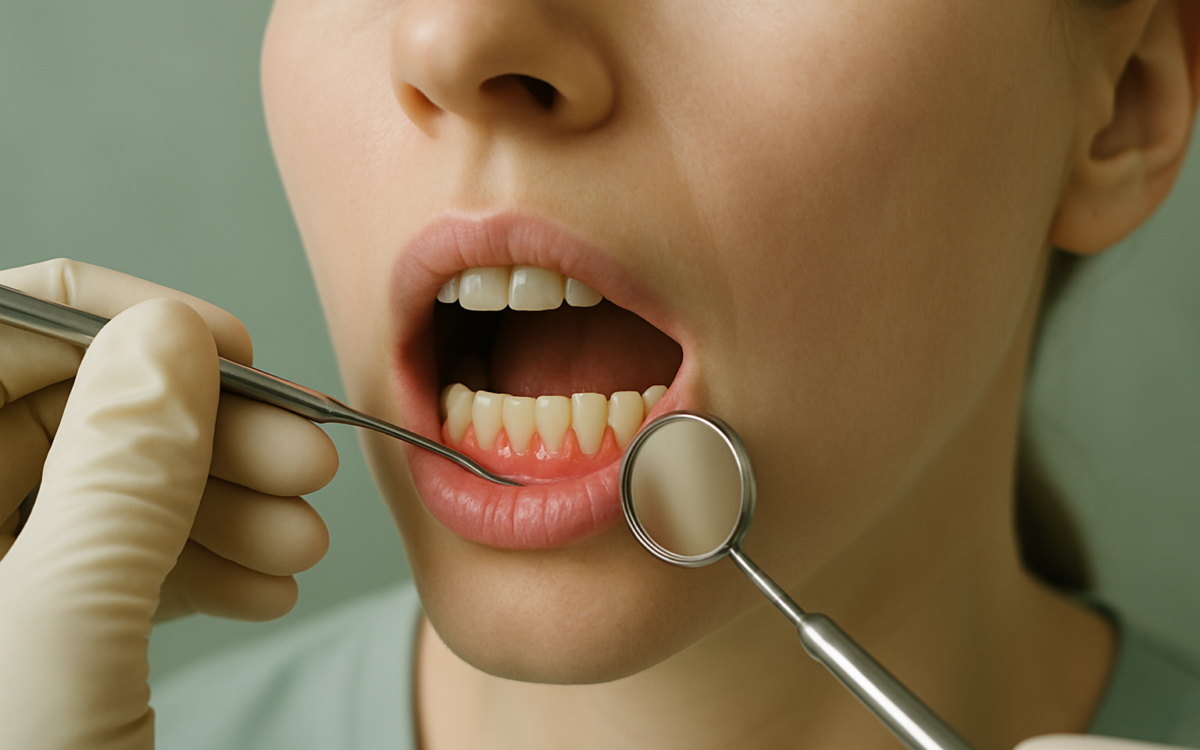
- Red or swollen gums: Healthy gums are a light pink color and should fit snugly around your teeth. If your gums appear red, swollen, or puffy, it may indicate gingivitis.
- Bleeding during brushing or flossing: If you notice blood on your toothbrush or dental floss, it could be a sign of gingivitis.
- Bad breath: Persistent bad breath can be a result of plaque buildup and gum inflammation.
- Tenderness in the gums: You may feel discomfort or tenderness in your gums when brushing or eating.
What Causes Early Stage Gingivitis?
Several factors contribute to the development of early stage gingivitis, primarily related to oral hygiene and lifestyle choices:
- Poor oral hygiene: Inadequate brushing and flossing can lead to plaque accumulation, which is the primary cause of gingivitis.
- Tobacco use: Smoking or chewing tobacco can reduce gum health and make you more susceptible to gum disease.
- Nutritional deficiencies: Lack of essential nutrients, especially vitamin C, can impair your immune system and make it difficult for your body to fight off infections.
- Certain medications: Some medications may affect oral health by reducing saliva flow or altering the composition of saliva, increasing the risk of gum disease.
How is Early Stage Gingivitis Diagnosed?
Diagnosing early stage gingivitis typically involves a dental examination. Your dentist or dental hygienist will:
- Inspect your gums for signs of inflammation or infection.
- Measure the depth of the spaces between your gums and teeth (known as periodontal pockets). Healthy pockets are usually shallow.
- Discuss your dental hygiene habits, diet, and any medications you may be taking.
If you are exhibiting symptoms, consult a dental professional for a thorough evaluation.
Preventing Early Stage Gingivitis
The good news is that early stage gingivitis can often be prevented with effective oral hygiene practices. Consider the following tips:
- Brush regularly: Brush your teeth at least twice a day using fluoride toothpaste. Make sure to brush gently along the gum line to remove plaque without causing irritation.
- Floss daily: Flossing helps remove plaque from between your teeth and along the gum line, areas that a toothbrush can’t reach.
- Use mouthwash: An antibacterial mouth rinse can help reduce plaque and fight gum disease.
- Visit your dentist: Regular dental check-ups and cleanings are essential for maintaining oral health. Your dentist can remove tartar buildup that you may not be able to tackle at home.
- Maintain a balanced diet: Eating a diet rich in fruits, vegetables, and whole grains can support your immune system and overall oral health.
- Avoid tobacco: Quitting smoking or chewing tobacco can significantly improve gum health.
Treatment Options for Early Stage Gingivitis
If you have been diagnosed with early stage gingivitis, treatment usually focuses on improving your oral hygiene. Your dentist may recommend:
- Professional dental cleaning: A dental hygienist will remove plaque and tartar buildup during a cleaning appointment.
- Improved oral hygiene techniques: Your dentist may provide guidance on how to brush and floss more effectively.
- Regular follow-ups: Scheduling regular dental check-ups to monitor your gum health is essential for preventing progression to more severe gum disease.
Most cases of early stage gingivitis can be reversed with the right care and commitment to oral hygiene.
When to See a Doctor
If you notice any signs of gum disease, such as bleeding gums, persistent bad breath, or changes in gum appearance, it’s important to consult a dentist promptly. Seeking early intervention can prevent the progression of gingivitis to more serious stages of gum disease, such as periodontitis, which can result in tooth loss and other complications.
Conclusion
Early stage gingivitis is an indication that your gums may not be getting the care they need. By understanding its symptoms and causes, you can take proactive steps to prevent and manage this common condition. Remember, maintaining good oral hygiene and regular dental visits are your best defenses in keeping your gums healthy and your smile bright.
