
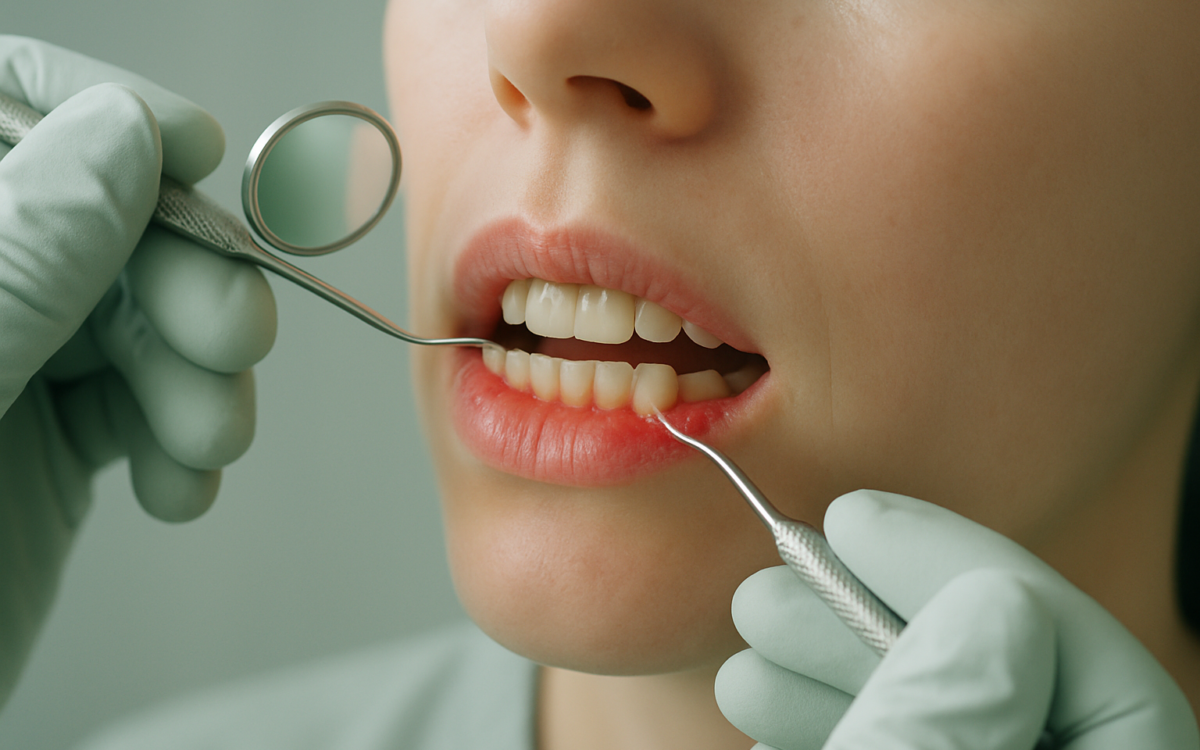
Red gums can be a concerning sign of underlying oral health issues. While many people may dismiss slight changes in gum color, it is essential to recognize that red, swollen gums can indicate a variety of conditions that need attention. This article will explore the potential causes of red gums, tips for maintenance, treatment options, and when it is time to see a doctor.
Understanding Gum Health
Your gums play a crucial role in your overall oral health. Healthy gums are usually pink and firm, providing a strong foundation for your teeth. Any change, such as redness, swelling, or bleeding, can signal a problem. Understanding how to care for your gums helps prevent conditions like gingivitis and more severe periodontal disease.
Common Causes of Red Gums
Several factors can contribute to red gums:
- Poor Oral Hygiene: Inadequate brushing and flossing can lead to plaque buildup, causing inflammation and redness.
- Gingivitis: This is the earliest stage of gum disease, characterized by red, swollen gums that may bleed during brushing or flossing. It is often reversible with good oral hygiene.
- Periodontitis: If gingivitis isn’t treated, it can progress to periodontitis, which can lead to tooth loss. In this condition, gums may recede, and teeth may loosen.
- Hormonal Changes: Hormonal fluctuations during puberty, menstruation, or pregnancy can make gums more sensitive, leading to increased redness.
- Certain Medical Conditions: Conditions such as diabetes, blood disorders, and autoimmune diseases can influence gum health and may manifest as red gums.
- Medications: Some medications can cause gum overgrowth or dry mouth, increasing the risk of gum disease.
How to Maintain Healthy Gums
Preventing red gums starts with good oral hygiene practices. Here are some important tips to consider:
- Brush Regularly: Brush your teeth twice a day with fluoride toothpaste. Use a soft-bristled toothbrush to avoid irritating your gums.
- Floss Daily: Flossing removes plaque and food particles from between your teeth and under the gum line, where your toothbrush may not reach.
- Use Antimicrobial Mouthwash: Rinse with an antimicrobial mouthwash to help reduce plaque and maintain gum health.
- Quit Smoking: Smoking is a significant risk factor for gum disease, and quitting can greatly improve your oral health.
- Regular Dental Visits: Schedule check-ups and cleanings at least twice a year to catch any gum issues early.
Treating Red Gums
If you already have red gums, treatment will depend on the underlying cause:
- Professional Cleaning: A dental hygienist can remove plaque and tartar build-up that may be causing gum inflammation.
- Antibiotics: If gum disease is present, your dentist may prescribe antibiotics to help manage infection.
- Scaling and Root Planing: This deep-cleaning procedure helps remove plaque and tartar below the gum line and smooths tooth roots.
- Gum Surgery: In severe cases, surgery may be needed to restore gum tissue and bone.
- Consulting Other Professionals: If your red gums are caused by systemic health issues, it might be beneficial to consult specialists. For example, the team at acibademinternational.com offers comprehensive dental and oral health services, especially for those seeking advanced treatment options or international care.
Understanding the Risks
It’s essential to be aware of the factors that can increase your risk of developing red gums and gum disease:
- Age: The risk of gum disease increases with age.
- Genetics: A family history of gum disease may predispose you.
- Stress: Stress can affect your body’s inflammatory response, leading to issues like gum disease.
- Unhealthy Diet: A diet low in essential vitamins and minerals can weaken your immune system and affect your gum health.
When to See a Doctor
If you notice swollen, red, or bleeding gums that don’t improve with better oral hygiene habits, it’s important to consult a dentist. Early detection and treatment can prevent the progression of gum disease and protect your overall dental health.
Conclusion
Red gums may be a common issue, but they shouldn’t be overlooked. Keeping your gums healthy requires a mix of good oral hygiene practices and regular dental visits. If you find yourself dealing with red gums, don’t wait too long to seek help. Your smile will thank you!
