
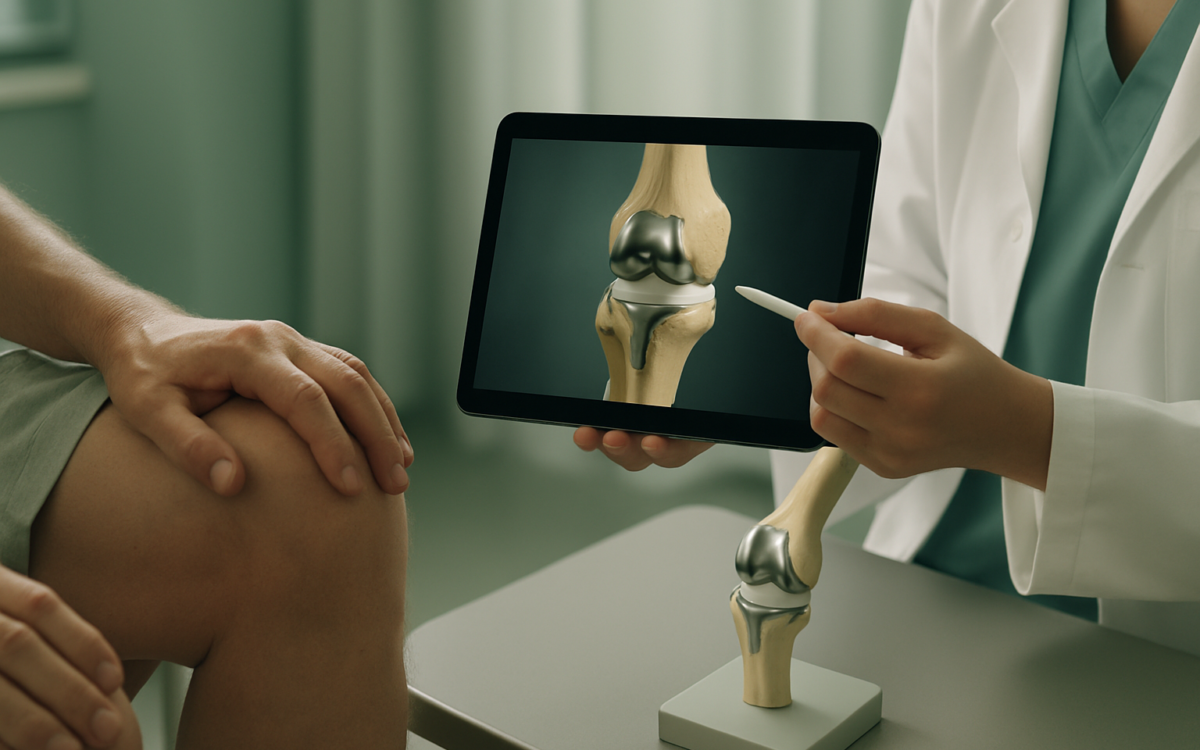
Full knee replacement surgery is a major procedure that can transform the lives of those suffering from severe knee pain and mobility issues. By replacing damaged or arthritic knee joints with artificial components, many patients experience significant relief and a return to normal activities. Watching a full knee replacement video can provide valuable insights into the process, preparing you for what to expect during surgery and recovery.
Understanding the procedure
A full knee replacement, also known as total knee arthroplasty, involves removing damaged cartilage and bone from the knee joint and replacing them with prosthetic components. The surgery is commonly performed on patients with osteoarthritis, rheumatic arthritis, or injuries that lead to significant knee damage. A detailed video of this procedure can enhance the understanding of the surgical techniques, team roles, and equipment utilized.
What happens during the surgery?
During the surgery, which typically lasts 1.5 to 2 hours, patients are usually placed under general or spinal anesthesia. Here’s a closer look at the key steps involved:
- Incision: The surgeon makes an incision on the front of the knee to access the joint.
- Bone and cartilage removal: Damaged parts of the femur (thigh bone), tibia (shin bone), and kneecap are removed.
- Implant placement: The surgeon positions metal and plastic components to create a new joint surface.
- Closure: Once the implants are in place, the incision is closed with sutures or staples.
Watching a full knee replacement video can provide a visual representation of these steps, giving patients confidence and understanding before they undergo the procedure.
Recovery and rehabilitation timeline
Immediately after surgery, patients are typically moved to a recovery area where nurses monitor their progress. Here’s an overview of the recovery timeline:
- Hospital stay: Most patients stay in the hospital for 1 to 3 days. During this time, pain management, physical therapy, and monitoring for any complications are essential.
- First two weeks: Patients begin gentle exercises to improve range of motion while gradually increasing activity levels.
- Weeks 3-6: Physical therapy becomes more intensive, focusing on strength, stability, and returning to daily activities.
- Months 2-6: Most patients can resume low-impact activities and may return to work, depending on their job. Full recovery may take up to a year.
For many patients, understanding the recovery process through a knee replacement video can ease anxiety and clarify what to expect as they progress through physical therapy.
Potential risks and complications
While full knee replacements are generally safe, as with any surgery, there are potential risks involving:
- Infection: Although rare, infections can occur after surgery and may require additional treatment.
- Blood clots: These can develop in the legs following surgery, necessitating preventive measures.
- Implant issues: Components may wear out over time or may need adjustments.
Patients can discuss these risks when consulting their doctor to gain a clearer understanding of what to monitor in the post-operative period.
When to see a doctor
After a full knee replacement, looking out for signs of complications is crucial. Consult your doctor if you experience:
- Sudden swelling or redness in the knee
- Fever or chills
- Increased pain that does not improve with rest or medication
- Difficulty moving the leg or excessive stiffness
How videos can support patient education
Accessing a full knee replacement video can significantly enhance patient education. These resources not only illustrate the surgical journey but also showcase real patient experiences and outcomes. By watching videos, patients can:
- Gain insight into what happens during the procedure.
- See examples of post-operative care to prepare them for recovery.
- Understand the potential benefits and risks from a visual and emotional perspective.
Ultimately, combining visual aids with discussions with healthcare providers can empower patients to make informed decisions about their knee health.
Conclusion
Full knee replacement surgery can offer new hope for people suffering from debilitating knee pain. Understanding the procedure through informative videos can significantly prepare you for the experience, from the surgical process to the recovery phase. As always, discussing your concerns and any questions with your healthcare provider is vital for achieving the best possible outcome in your knee replacement journey.
