
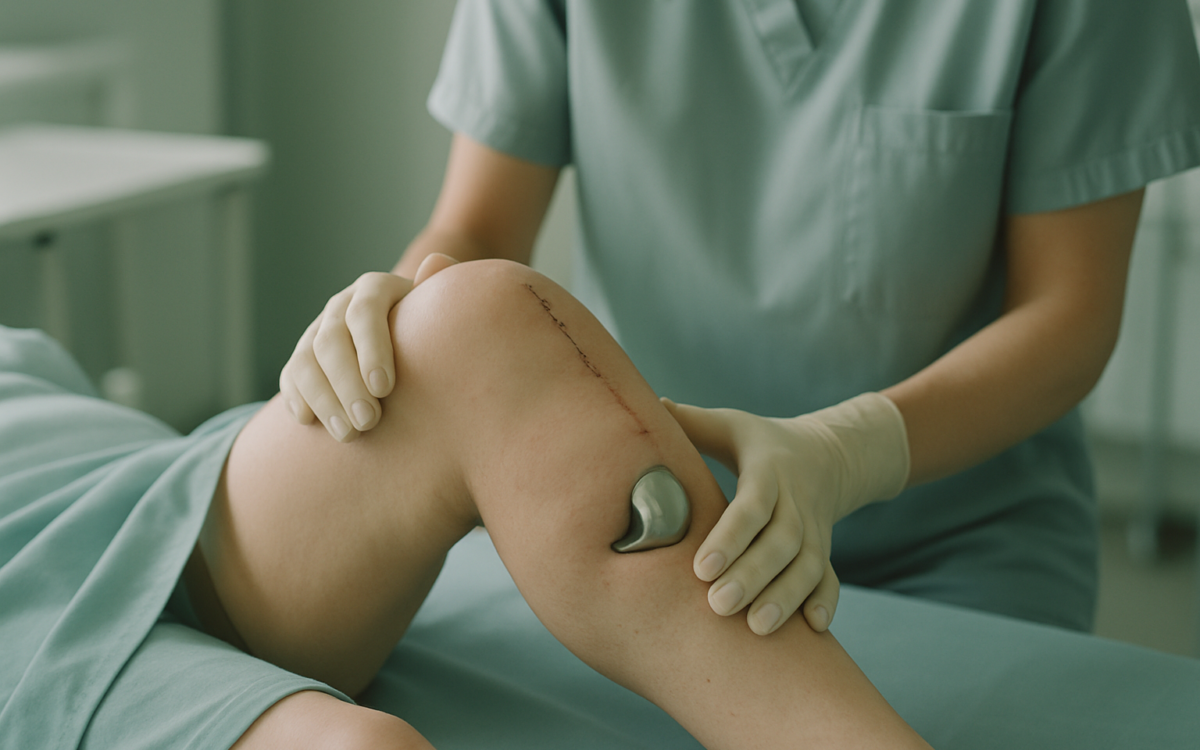
Knee pain can dramatically affect your quality of life, making daily activities difficult. For many, total knee arthroplasty (TKA), commonly known as knee replacement surgery, offers hope and relief. In this article, we will explore the ins and outs of TKA knee replacement—from the procedure itself to what you can expect during recovery.
What is TKA Knee Replacement?
Total knee arthroplasty is a surgical procedure that involves replacing a damaged or worn-out knee joint with an artificial joint, called a prosthesis. This surgery is typically considered for people with severe knee pain or disability, often due to osteoarthritis, rheumatoid arthritis, or injury.
The surgery aims to relieve pain, restore function, and improve the quality of life. Your healthcare provider will consider various factors, such as age, activity level, and overall health, when determining if TKA is right for you.
Preparing for TKA Surgery
Before undergoing TKA, several steps are essential to ensure a smooth process:
- Consultation: Discuss your symptoms, medical history, and treatment options with your healthcare provider.
- Preoperative Testing: You may undergo imaging tests like X-rays or MRIs to assess the extent of damage and evaluate your overall health.
- Physical Therapy: Your doctor may recommend preoperative physical therapy to strengthen your legs and improve your range of motion.
It’s also vital to prepare your home for recovery by ensuring a safe environment, stocking up on necessary supplies, and organizing help from friends or family.
The Total Knee Replacement Procedure
The TKA procedure generally takes about 1.5 to 3 hours and is performed under general or spinal anesthesia. Here’s a brief overview of what happens during surgery:
- The surgeon makes an incision over the knee to access the joint.
- The damaged cartilage and bone are removed from the knee joint.
- The artificial knee joint is then positioned and secured in place.
- The incision is closed, often with stitches or staples.
Recovery begins immediately after surgery, and a hospital stay of one to three days is typical.
Recovery After TKA
After your surgery, recovery is essential for regaining strength and mobility. Here’s what to expect:
- Hospital Stay: After surgery, you’ll be monitored in the recovery room before moving to your hospital room. Physical therapists will begin working with you soon after surgery.
- Physical Therapy: Usually, you will start walking with the help of a walker or crutches within a day or two. Physical therapy is crucial to strengthen the joint and improve your mobility.
- At Home Care: Pain management and rehabilitation exercises will be part of your at-home recovery. Continuing physical therapy can help speed up recovery. Make sure to discuss with your healthcare provider about the best exercises for you.
Many patients see significant improvement within three to six months, but full recovery can take up to a year.
Potential Risks and Complications
While TKA is generally safe, as with any surgery, it carries certain risks and complications to be aware of:
- Infection: Though rare, infections can occur and may require further treatment.
- Blood Clots: Prolonged inactivity increases the risk of blood clots in the legs.
- Implant Failure: In some cases, the artificial joint may wear out or loosen over time, necessitating a revision surgery.
Discuss these risks with your healthcare provider to make an informed decision about the surgery.
International Options for TKA
For those considering knee replacement surgery, exploring options beyond the local healthcare system can be beneficial. International patient services can offer access to high-quality medical care at competitive prices. Facilities specializing in TKA abroad can provide state-of-the-art treatments, often with shorter waiting times. Before making any decision, ensure that the hospital is accredited and that the surgeons are qualified. You can explore various international patient services for insights into treatment options.
When to See a Doctor
If knee pain or stiffness is affecting your daily life, or if you notice the following symptoms, consult your healthcare provider:
- Severe pain that doesn’t improve with rest or medication
- Swelling or visible deformity in the knee
- Difficulty walking or performing daily tasks
Timely discussions can help determine whether TKA or another treatment may be right for you.
In conclusion, total knee arthroplasty is a viable solution for those suffering from debilitating knee pain. Understanding the procedure, the recovery process, and potential risks can empower you to make informed decisions about your knee health. Always consult your healthcare provider to explore the best options tailored to your individual needs.
