
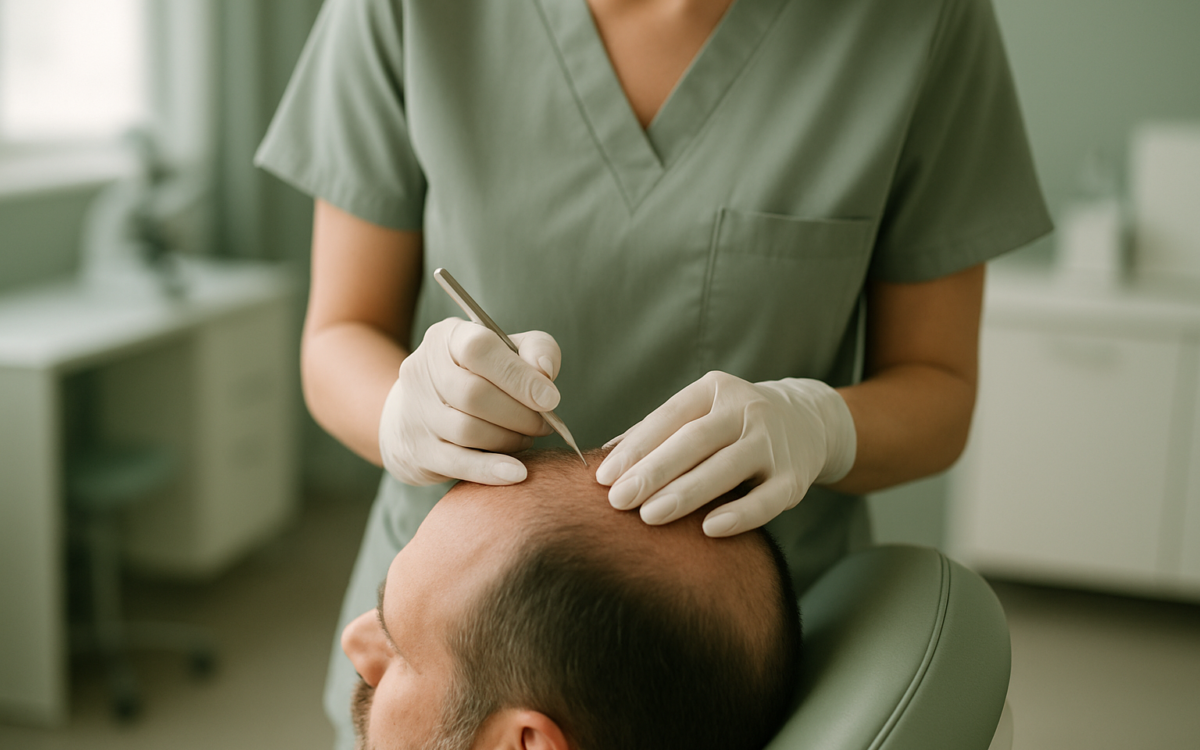
For many, hair loss can feel like a personal crisis. Whether due to genetics, age, or health conditions, thinning hair can affect self-esteem and body image. Thankfully, hair replacement clinics offer solutions that range from non-invasive treatments to surgical options. Understanding what these clinics offer and how to choose the right one can pave the way for a new beginning.
What Is a Hair Replacement Clinic?
A hair replacement clinic specializes in treating hair loss through various methods. These clinics employ trained professionals, including dermatologists, hair specialists, and technicians, who can recommend suitable treatments based on individual needs. The services provided can include:
- Consultations to assess the cause of hair loss
- Non-surgical treatments like PRP (Platelet-Rich Plasma)
- Hair transplant surgeries
- Customized hair systems or wigs
Types of Treatments Available
When seeking a hair replacement clinic, it’s essential to understand the types of treatments available. Common options include:
1. Non-Surgical Treatments
Non-surgical methods are often the first step for individuals dealing with hair loss. Here are a few popular options:
- Minoxidil: An FDA-approved topical treatment that stimulates hair growth and slows balding.
- Finasteride: A prescription medication that prevents further hair loss.
- Platelet-Rich Plasma (PRP) Therapy: A process that uses your own blood to encourage hair follicle regeneration.
These methods hold potential for many people, especially in the early stages of hair loss. The National Institutes of Health (NIH) notes that early intervention often results in better outcomes.
2. Hair Transplants
For individuals seeking permanent solutions, hair transplant surgery may be the answer. This procedure involves relocating hair follicles from areas of the scalp with more hair to areas experiencing thinning or baldness. The two main types of transplants are:
- Follicular Unit Transplantation (FUT): Involves removing a strip of skin from the back of the head.
- Follicular Unit Extraction (FUE): Involves extracting individual hair follicles.
Each method has its pros and cons, and deciding between them should involve consultations with a professional. The Mayo Clinic emphasizes that this decision should be made with a healthcare provider who understands your specific condition.
Evaluating a Hair Replacement Clinic
Choosing the right hair replacement clinic is crucial for successful treatment. Here are some tips for evaluation:
1. Research Credentials
Check the qualifications and certifications of the professionals working at the clinic. Look for clinics with board-certified dermatologists or hair restoration specialists.
2. Read Reviews
Patient testimonials play a vital role in understanding a clinic’s reputation. Online reviews can provide insight into the experiences of others regarding the effectiveness of treatments and patient care.
3. Ask About Treatment Options
A reputable clinic should present multiple treatment options tailored to your needs. They should also provide information about the risks, benefits, and costs associated with each method.
4. Schedule a Consultation
Most clinics offer initial consultations. Use this opportunity to discuss your concerns, treatment preferences, and ask any questions about the procedure and expected outcomes. Assess how comfortable you feel with the staff and the environment.
Cost Considerations
The cost of treatments at hair replacement clinics can vary widely. Factors that influence price include:
- Type of treatment (non-surgical vs. surgical)
- Geographic location of the clinic
- Experience and credentials of the provider
While it’s essential to consider your budget, keep in mind that cheaper options might not always deliver quality results. Investing in a reputable clinic could save you money in the long run by providing effective treatment.
Potential Side Effects and Risks
As with any medical treatment, there are potential risks and side effects involved in hair replacement therapies. It will be crucial to discuss these risks during your consultation. Some potential side effects include:
- Scarring (especially with surgical methods)
- Infection at injection or incision sites
- Temporary hair shedding after initial treatment
Being informed about these risks can help you make an educated decision. For more information on side effects, consult the World Health Organization or similar authoritative sources.
When to See a Doctor
If you’re experiencing hair loss and have concerns, it’s wise to consult a healthcare provider. Seek guidance if:
- Your hair loss is sudden or patchy
- You notice other symptoms, like itching or redness on your scalp
- You have a family history of hair loss and want to explore treatment options
Getting professional advice can help you determine whether a hair replacement clinic might be the right path for you.
Overall, finding a hair replacement clinic that meets your needs involves research, understanding treatment options, and open discussions with healthcare professionals. With the right approach, you can take positive steps toward restoring your hair—and your confidence.
