
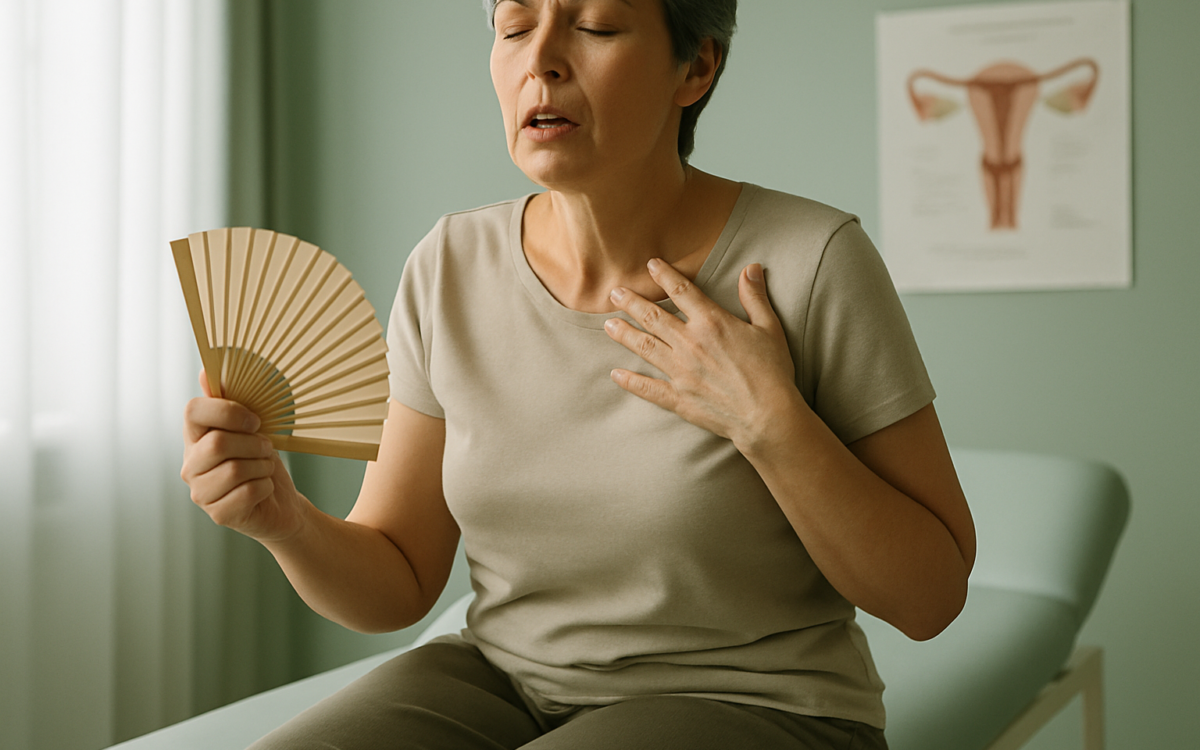
Menopause is a natural phase in a woman’s life that usually occurs between ages 45 and 55. It signifies the end of menstrual cycles and is primarily caused by hormonal changes in the body. While menopause is a natural transition, understanding what happens during this time can help women be better prepared for the physical and emotional changes they might experience.
What is Menopause?
Menopause is defined as the time when a woman has not had a menstrual period for 12 consecutive months. The transition to menopause is referred to as perimenopause, which can last several years. This period is marked by fluctuating hormone levels, particularly estrogen and progesterone, leading to various symptoms.
The Stages of Menopause
Menopause occurs in three stages: perimenopause, menopause, and postmenopause. Each stage has unique characteristics and symptoms.
Perimenopause
Perimenopause is the transition phase leading up to menopause. It can start as early as the mid-30s but typically begins in the 40s. During this phase, women may notice changes in their menstrual cycle, such as irregular periods, changes in flow, or missed periods altogether. Hormonal fluctuations can also lead to various symptoms:
- Hot flashes
- Night sweats
- Mood swings
- Sleep disturbances
- Vaginal dryness
Menopause
Once a woman has not had a period for 12 consecutive months, she is in menopause. The ovaries significantly decrease hormone production, especially estrogen, leading to the end of ovulation. This stage can bring relief from certain symptoms experienced during perimenopause, but others may persist.
Common Symptoms of Menopause
Managing menopause means dealing with various symptoms that affect physical and emotional well-being. Some of the most common symptoms include:
- Hot flashes: Sudden feelings of heat, often accompanied by sweating, which can disrupt daily activities and sleep.
- Night sweats: Hot flashes during sleep that can lead to wakefulness and fatigue.
- Vaginal dryness: A decline in estrogen can cause dryness and discomfort during intercourse.
- Mood changes: Fluctuations in hormone levels may lead to anxiety, depression, or irritability.
- Difficulty concentrating: Many women report having trouble focusing or experiencing memory lapses.
It is essential to remember that while these symptoms are common, their intensity and visibility vary from person to person.
Long-term Effects of Menopause
Menopause brings several long-term changes that women should consider. The most notable are:
- Bone Health: Decreased estrogen can lead to a reduction in bone density, increasing the risk of osteoporosis.
- Heart Health: The risk of cardiovascular disease may increase after menopause, partly due to changes in cholesterol levels and blood pressure.
- Weight Changes: Many women experience weight gain during and after menopause, often due to changes in metabolism.
Being aware of these risks can help women be proactive in maintaining their health post-menopause.
Lifestyle Changes and Management
While menopause is a natural stage of life, lifestyle changes can help manage symptoms and improve overall well-being:
- Diet: A balanced diet rich in fruits, vegetables, whole grains, and lean proteins can help manage symptoms and support heart health.
- Exercise: Regular physical activity can alleviate hot flashes, improve mood, and maintain healthy weight and bone strength.
- Stress Management: Techniques such as yoga, meditation, and deep-breathing exercises can help manage mood swings and improve sleep quality.
Additionally, some women may benefit from talking to their doctor about menopausal hormone therapy (MHT) or other medical options to manage severe symptoms.
Resources and Support
Women experiencing menopause may find it beneficial to connect with support groups or organizations that focus on women’s health. Resources from organizations such as NIH offer valuable information on what to expect and how to navigate menopause.
When to See a Doctor
If menopausal symptoms become overwhelming or significantly affect your quality of life, it’s important to consult with a healthcare professional. Some signs that you should seek medical advice include:
- Severe mood changes that affect daily life.
- Hot flashes or night sweats that are unbearable.
- Persistent vaginal dryness affecting your relationships or comfort.
- Any new or concerning symptoms that you didn’t experience before.
Your doctor can help you determine the most appropriate management strategies and ensure you maintain a good quality of life during and after this significant transition.
Understanding menopause and what happens during this period can empower women to navigate the transition with confidence. Although it can bring challenges, it’s also a time to focus on self-care and embrace the next chapter of life.
