
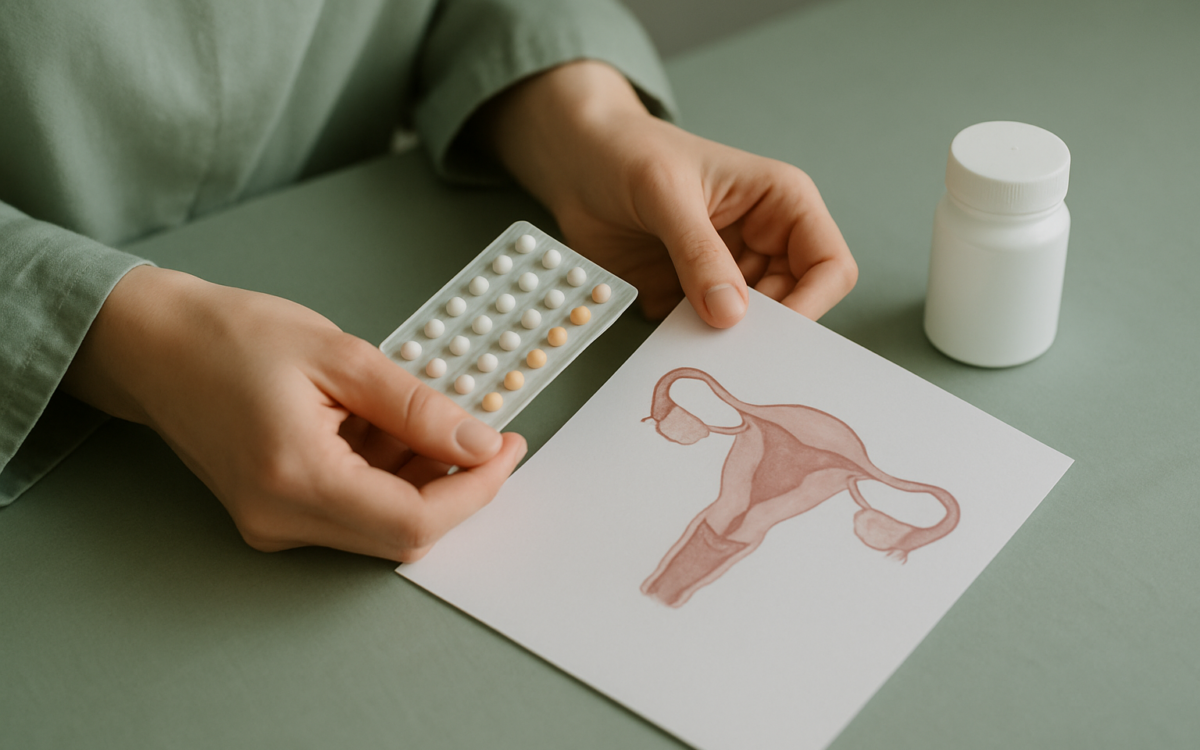
Polycystic ovary syndrome (PCOS) is a common hormonal disorder that affects many women of reproductive age. It can cause a range of symptoms, from irregular menstrual cycles to excessive hair growth and weight gain. One effective way to manage these symptoms is through the use of birth control. In this article, we will explore various birth control options available for women with PCOS and how they might help in symptom management.
What is PCOS?
PCOS is characterized by hormonal imbalances that can disrupt the normal functioning of the ovaries. Women with PCOS may have an excess of androgens, which are often referred to as male hormones, even in females. This can lead to a variety of symptoms, including:
- Irregular or absent menstrual periods
- Heavy bleeding during periods
- Acne and oily skin
- Difficulty losing weight
- Excess hair growth on the face and body
- Thinning hair on the scalp
While PCOS can be challenging, effective management strategies can help alleviate these symptoms.
Birth Control Methods for PCOS
Birth control plays a critical role in helping women with PCOS regulate their menstrual cycles and reduce certain symptoms. Here are some common methods:
Combination Hormonal Contraceptives
Combination birth control pills, which contain both estrogen and progestin, are one of the most common treatments for managing PCOS symptoms. They work by:
- Regulating menstrual cycles
- Reducing androgen levels in the body
- Improving acne and excessive hair growth
This treatment can also reduce the risk of endometrial cancer by providing a protective effect on the uterine lining. According to research published by the National Institutes of Health, these pills can be effective in managing PCOS-related symptoms.
Progestin-Only Pills
For women who cannot take estrogen, progestin-only pills, also known as the mini-pill, may be an option. These pills are excellent for:
- Providing contraception
- Regulating periods
- Reducing the risk of endometrial hyperplasia
They might not be as effective in controlling acne or hirsutism, but they are a viable alternative for many.
IUDs and Implants
Intrauterine devices (IUDs) and hormonal implants are also effective for women with PCOS. The hormonal IUD releases progestin and can help:
- Regulate menstrual cycles
- Reduce menstrual bleeding
- Lower the risk of endometrial cancer
Similarly, hormonal implants can provide long-lasting birth control while assisting in period regulation.
Benefits of Birth Control for PCOS
Using birth control for PCOS management has several benefits:
- Improved regulation of the menstrual cycle
- Reduction in severity of acne
- Less hair growth on the face and body
- Decreased risk of endometrial cancer
- Potential weight management assistance
Women with PCOS using birth control often report a significant improvement in their quality of life.
Considerations Before Starting Birth Control
Before starting any form of birth control, it’s essential to consult with a healthcare provider. They can help you consider factors such as:
- Personal health history
- Current medications
- Specific PCOS symptoms
- Future pregnancy plans
Your provider may recommend the most suitable birth control method for your specific needs based on these factors.
Alternatives to Birth Control
While birth control is a popular option for managing PCOS symptoms, other treatments may also be effective. These include:
- Weight management: Losing weight can help regulate menstrual cycles and improve symptoms.
- Insulin-sensitizing medications: Drugs like metformin improve insulin sensitivity, aiding in symptom management.
- Vitamins and supplements: Vitamin D and other supplements may also help improve symptoms.
It’s essential to talk to your healthcare provider about integrating these approaches for a comprehensive management plan.
When to See a Doctor
If you suspect you have PCOS or are experiencing symptoms such as severe irregular periods, excessive hair growth, or difficulty with weight management, it’s crucial to consult a healthcare professional. Early diagnosis and intervention can help you manage your symptoms effectively and reduce long-term health risks associated with PCOS.
In conclusion, birth control provides an essential option for women looking to manage the symptoms of PCOS. With multiple methods available, it’s important to work closely with your healthcare provider to determine the best plan for your individual needs. Taking an informed approach can lead to improved reproductive health and overall well-being.
