
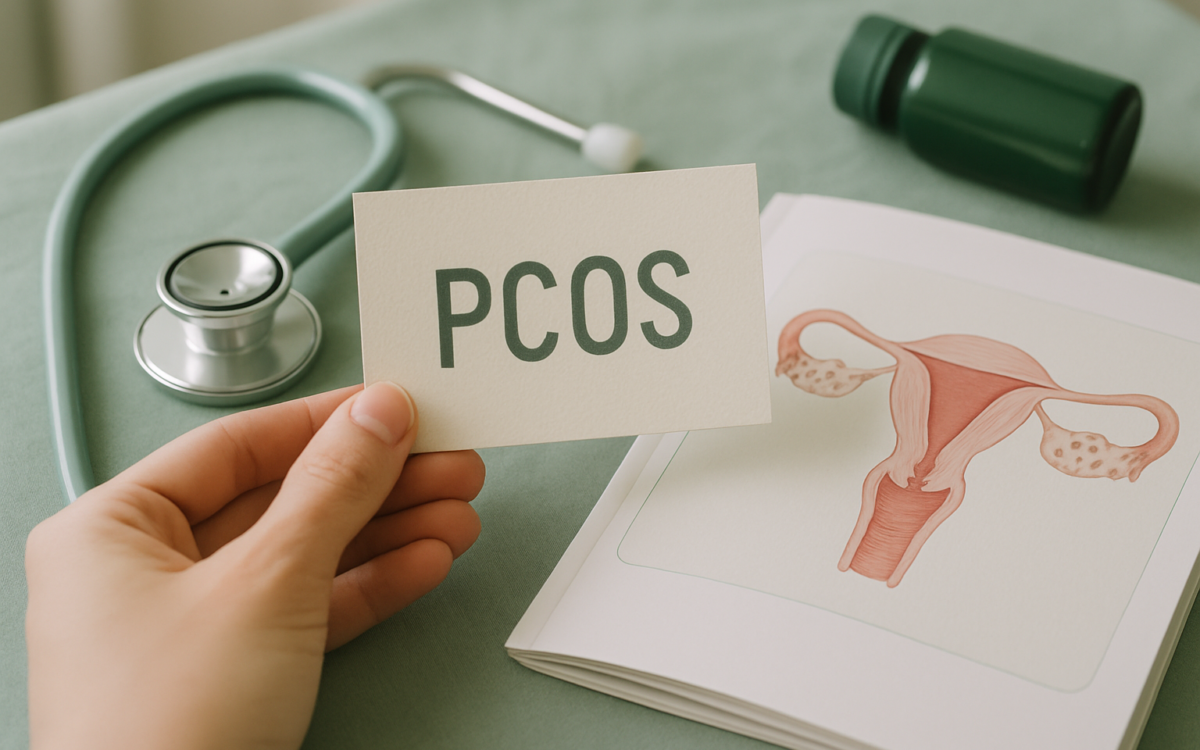
Polycystic Ovary Syndrome, commonly referred to as PCOS, is a medical term that many women hear during their reproductive years. It’s a condition that affects the hormones and metabolism, leading to various symptoms that can be both puzzling and distressing. Understanding what PCOS is and how it impacts health can empower women to seek the appropriate care and support.
What is PCOS?
PCOS is a hormonal disorder characterized by a variety of symptoms that can lead to complications in reproductive health, metabolic function, and psychological well-being. The name “polycystic ovary syndrome” refers to the multiple small cysts that can develop on the ovaries. However, it’s important to note that not every woman with PCOS will have these cysts.
Symptoms of PCOS
Women with PCOS can experience a range of symptoms that may vary in severity:
- Irregular Menstrual Cycles: Women with PCOS often have irregular, infrequent, or prolonged menstrual cycles.
- Excess Androgen Levels: Increased levels of male hormones can lead to physical symptoms such as acne, excessive hair growth on the face and body (hirsutism), and thinning hair on the scalp.
- Polycystic Ovaries: As the name suggests, some women may have enlarged ovaries that contain multiple small cysts, which can be detected through ultrasound.
- Weight Gain: Many individuals with PCOS struggle with weight management and obesity.
- Infertility: Hormonal imbalances can affect ovulation, making it challenging for some women to conceive.
If you notice these symptoms, you may want to consult a healthcare provider for evaluation and potential diagnosis.
Causes of PCOS
The exact cause of PCOS is still not entirely understood, but several factors may contribute to its development:
- Hormonal Imbalances: Women with PCOS often have higher levels of androgens, which can disrupt the normal functioning of the menstrual cycle.
- Insulin Resistance: Many women with PCOS have insulin resistance, meaning their body has difficulty using insulin effectively. This can lead to higher insulin levels, which may further exacerbate hormonal imbalances.
- Genetics: There is evidence suggesting that PCOS can run in families, indicating a potential genetic component to the disorder.
Diagnosis of PCOS
A diagnosis of PCOS typically involves a combination of evaluating symptoms, understanding medical history, and undergoing several tests. Healthcare providers often use the Rotterdam criteria, which require at least two of the following three criteria:
- Irregular or absent ovulation (menstrual irregularity)
- Clinical or biochemical signs of hyperandrogenism (elevated male hormones)
- The presence of polycystic ovaries on ultrasound
It’s essential to rule out other conditions that may mimic PCOS symptoms, so your doctor may also test for thyroid disorders, adrenal gland disorders, and other hormonal issues.
Treatment Options for PCOS
While there is no cure for PCOS, various treatment options can help manage the symptoms and reduce the risk of complications:
- Lifestyle Changes: Incorporating a balanced diet and regular exercise can help regulate ovulation and improve insulin sensitivity. Weight loss, even a small amount, can significantly enhance symptoms.
- Medications: Hormonal birth control pills can aid in regulating menstrual cycles and reducing androgen levels. Other medications, such as metformin, may help improve insulin sensitivity.
- Fertility Treatments: Women experiencing infertility due to PCOS may benefit from treatments such as ovulation induction or assisted reproductive technologies.
Long-term Considerations
Living with PCOS often requires ongoing management to maintain overall health. Women with PCOS are at a higher risk of developing additional health problems, including type 2 diabetes, cardiovascular disease, and endometrial cancer. Regular check-ups and consultations with healthcare providers are vital to monitor these risks.
Additionally, psychological effects such as anxiety and depression can accompany PCOS due to its physical symptoms and the challenges they impose on daily life. Seeking support from mental health professionals or support groups can be beneficial.
When to See a Doctor
If you experience symptoms that you suspect are related to PCOS, or if you have irregular periods, it’s advisable to consult with a healthcare professional. Early diagnosis and intervention can help prevent potential complications and enable better management of symptoms.
In conclusion, understanding PCOS—what it stands for and its potential implications—can help you make informed choices about your health. If you suspect you may have PCOS or have been diagnosed with it, your doctor can work with you to create a tailored management plan that addresses your unique needs. Remember, you are not alone, and support is available.
