
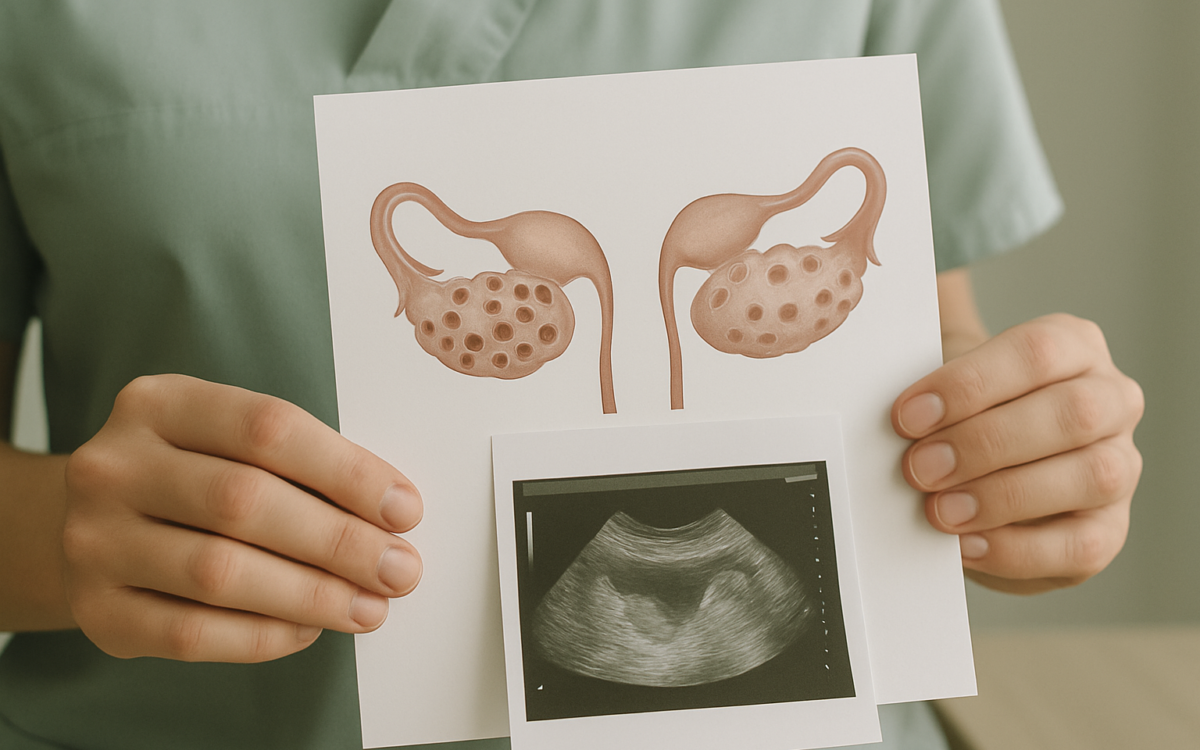
Polycystic ovary syndrome (PCOS) is a common condition that affects women of reproductive age. It’s a hormonal disorder that can lead to various health issues, such as irregular periods, weight gain, and fertility challenges. One of the key aspects of PCOS is the presence of polycystic ovaries. However, not all polycystic ovaries are the same, and understanding the different types can help women manage their health better. Let’s delve into the various types of polycystic ovaries and their implications.
What Are Polycystic Ovaries?
Polycystic ovaries are ovaries that contain multiple small cysts. These cysts are actually immature follicles, where the eggs develop but do not fully mature or release. While having polycystic ovaries is often associated with PCOS, it’s important to note that not every woman with polycystic ovaries has this syndrome. Similarly, some women with PCOS may not have visibly polycystic ovaries. This complexity highlights the need to understand the different types of polycystic ovaries.
Types of Polycystic Ovaries
1. Classic PCOS
The classic form of polycystic ovaries is typically associated with the elevated levels of androgens (male hormones). Women with classic PCOS often exhibit a range of symptoms, including irregular menstrual cycles, excessive hair growth (hirsutism), and acne. Their ultrasound results frequently reveal enlarged ovaries with multiple small cysts. This type of polycystic ovary is the most recognized and is often what doctors refer to when diagnosing PCOS. The National Institutes of Health suggests that understanding these symptoms is crucial for early diagnosis.
2. Metabolic PCOS
Metabolic PCOS encompasses women who may not have obvious symptoms of androgen excess but still show insulin resistance. These women often deal with issues such as weight gain and a higher risk of type 2 diabetes. In many cases, when imaging is done, they may have polycystic ovaries, but they might not show typical symptoms like hair growth or acne. The connection between metabolic health and ovarian characteristics makes this type significant, as managing weight and insulin sensitivity can be key to treatment.
3. Adrenal PCOS
Adrenal PCOS is less common and refers to a situation where the ovaries have cysts, but the main issue lies in the adrenal glands, which produce hormones. Women with adrenal PCOS may have higher levels of androgens due to overactivity of the adrenal glands rather than the ovaries. Symptoms may mimic those seen in classic PCOS, but treatment usually focuses on addressing the adrenal dysfunction.
4. Atypical PCOS
This type is more challenging to diagnose as it does not fit into the classic criteria of PCOS. Women with atypical PCOS may experience symptoms like irregular periods and hair thinning but may not show the traditional signs of polycystic ovaries on an ultrasound. This type emphasizes the need for a thorough evaluation by healthcare professionals to rule out other conditions. Some studies suggest that atypical cases might require different management strategies than more straightforward forms of PCOS.
Diagnosis of Polycystic Ovaries
Diagnosing polycystic ovaries typically involves several steps. Healthcare providers will often review a woman’s medical history, conduct a physical examination, and order blood tests to measure hormone levels. An ultrasound is commonly used to visualize the ovaries and confirm the presence of cysts. The World Health Organization mentions that a comprehensive approach considering both physical and hormonal assessments is vital for an accurate diagnosis.
Managing Polycystic Ovaries
Management of polycystic ovaries largely depends on the type diagnosed and any accompanying symptoms. Lifestyle changes, such as adopting a balanced diet and engaging in regular exercise, are often recommended. For classic PCOS, medications like hormonal birth control can help regulate periods and reduce symptoms. In cases related to insulin resistance, medications like Metformin may be prescribed to help improve insulin sensitivity. Each woman’s experience with polycystic ovaries is unique, making personalized care essential.
Future Research Directions
The understanding of polycystic ovaries is continually evolving, and research is underway to explore various aspects, including genetics, environmental influences, and treatment strategies. The complexity of the syndrome suggests that future studies may yield new insights into more targeted therapies beneficial to women with different types of polycystic ovaries.
When to See a Doctor
If you notice irregular periods, unexpected weight gain, excessive hair growth, or other symptoms that may suggest polycystic ovaries or PCOS, it is crucial to consult with a healthcare provider. Early diagnosis and personalized management can significantly improve quality of life and health outcomes.
Understanding the types of polycystic ovaries can empower women to take charge of their reproductive health. By recognizing the differences and seeking appropriate care, women can manage their symptoms effectively and improve their overall well-being.
