
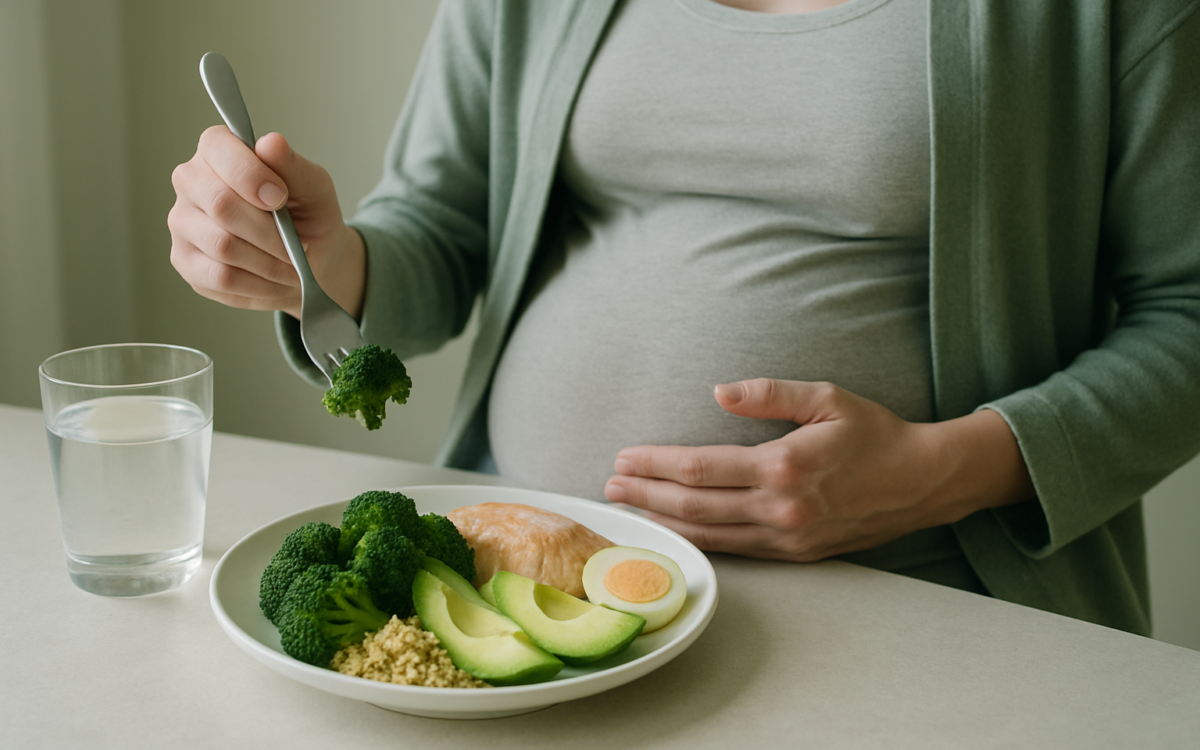
Pregnancy is a beautiful journey filled with excitement and anticipation. It’s also a time when nutrition plays a crucial role in ensuring both mother and baby stay healthy. The right foods can contribute to fetal development, support the mother’s wellbeing, and prepare the body for delivery. Knowing what to eat can feel overwhelming, but focusing on nutrient-dense foods can make the process simpler and more enjoyable.
Key Nutrients for Pregnancy
During pregnancy, there are several essential nutrients that expectant mothers should prioritize. These nutrients are crucial for the development of the baby and for the health of the mother. Key nutrients include:
- Folic Acid: Helps prevent neural tube defects in the baby.
- Iron: Supports increased blood volume and fetal growth.
- Calcium: Important for developing strong bones and teeth.
- Protein: Supports the growth of fetal tissue, including the brain.
- Omega-3 Fatty Acids: Vital for brain development.
Foods to Include in Your Pregnancy Diet
When thinking about the best foods to eat during pregnancy, consider options that are rich in these essential nutrients. Here are some categories of foods that can help you nourish your body and growing baby:
Fruits and Vegetables
These are the cornerstones of a healthy diet. Aim for a variety of colors and types, as this ensures a wide range of vitamins and minerals. Some top choices include:
- Leafy Greens: Spinach, kale, and Swiss chard are full of folate and iron.
- Berries: Rich in antioxidants and vitamin C, berries can help with the immune system.
- Bananas: A great source of potassium and vitamin B6, which can help with morning sickness.
Whole Grains
Whole grains are a fantastic source of fiber and can help with digestive health, especially important during pregnancy. They also provide energy and important nutrients, such as B vitamins. Good choices include:
- Brown Rice: Provides fiber and essential nutrients.
- Oats: Great for breakfast and a good source of iron and fiber.
- Quinoa: A complete protein that contains all nine essential amino acids.
Lean Proteins
Ensuring adequate protein intake is essential for fetal growth. Opt for lean sources to avoid extra saturated fats:
- Poultry: Chicken and turkey are good sources of protein without excessive fat.
- Fish: Fatty fish like salmon are packed with omega-3 fatty acids. However, limit high-mercury fish.
- Legumes: Beans and lentils are great plant-based protein sources and are also rich in iron and folate.
Healthy Fats
Healthy fats are important for brain development and overall health during pregnancy. Include these in moderation:
- Avocados: High in healthy fats and folate.
- Nuts and Seeds: Almonds and chia seeds are great for snacking and packed with nutrients.
- Olive Oil: A healthy fat that can be used for cooking or salad dressings.
The Importance of Hydration
Staying hydrated is essential during pregnancy. Drink plenty of water to support increased blood volume and help with digestion. Aim for at least 8-10 glasses a day. Herbal teas and infused water can also be refreshing alternatives, but make sure any tea is safe to consume during pregnancy.
When to Consider Supplements
While a balanced diet is ideal, some mothers may need to take supplements to fill in the gaps. Prenatal vitamins containing folic acid, iron, and DHA (omega-3) are often recommended. Consult with your healthcare provider to determine what is best for you.
When to See a Doctor
If you have specific dietary concerns or experience unusual symptoms during pregnancy, such as persistent nausea, severe fatigue, or sudden weight changes, it’s important to consult your healthcare provider. They can provide guidance tailored to your individual needs.
In summary, choosing the best foods to eat during pregnancy can help you support the health of both you and your baby. Prioritize fruits, vegetables, whole grains, lean proteins, and healthy fats, along with staying hydrated. Always consult your healthcare provider for personalized advice to ensure a healthy and happy pregnancy.
