
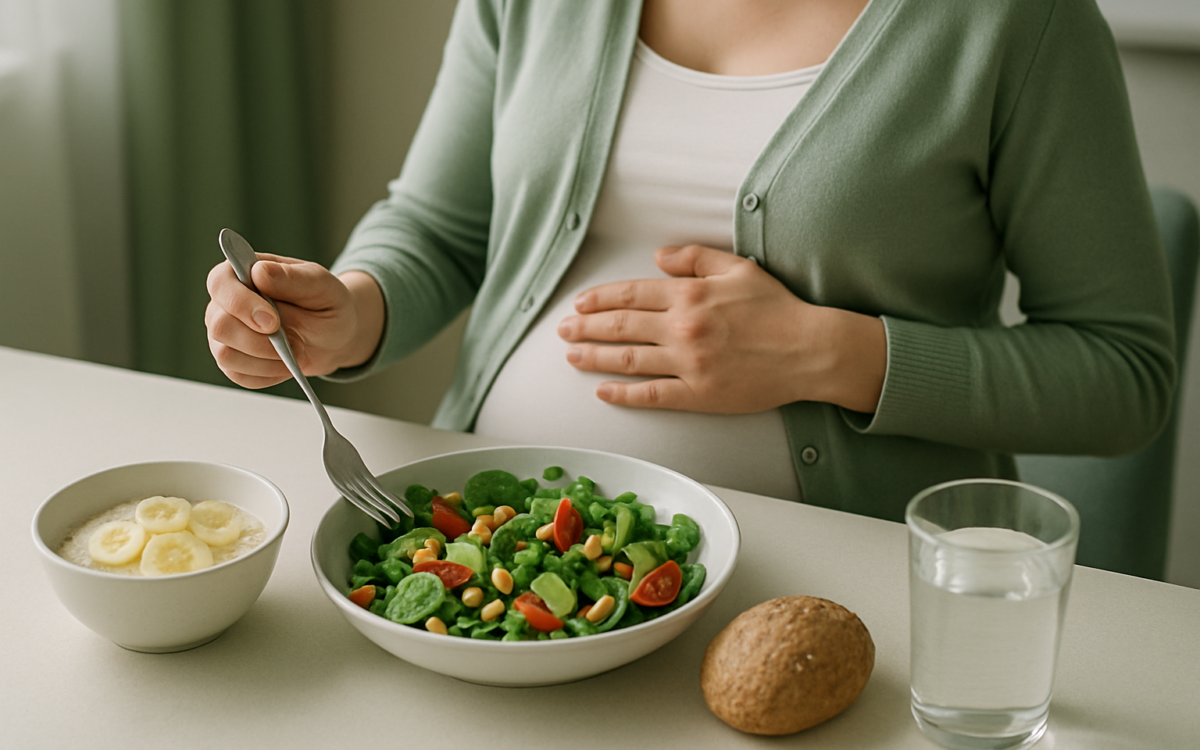
Eating well during pregnancy is crucial for the health of both you and your baby. A balanced pregnancy meal plan can help ensure you get the essential nutrients needed for fetal development and maintain your own well-being. Let’s explore how to create a nourishing meal plan tailored for each trimester.
Why Nutrition Matters During Pregnancy
Proper nutrition during pregnancy not only supports fetal growth but also helps the mother maintain energy and health. According to the World Health Organization, adequate nutrition reduces the risk of complications for both mother and child. This includes reducing the chances of low birth weight and preterm delivery.
Nutritional Needs for Each Trimester
Your body’s nutritional needs change as your pregnancy progresses. Here’s a breakdown of what to focus on during each trimester:
First Trimester (Weeks 1-12)
- Folic Acid: Crucial for the development of the baby’s neural tube. Aim for 600 mcg daily through foods like leafy greens, beans, and fortified cereals.
- Iron: Supports increased blood volume. Incorporate lean meats, fish, and legumes in your meals.
- Calcium: Essential for the baby’s bone development. Dairy products, fortified plant-based milk, and green vegetables are great sources.
Second Trimester (Weeks 13-26)
- Protein: Important for the growth of the baby. Aim for at least 70 grams daily through fish, poultry, eggs, nuts, and legumes.
- Omega-3 Fatty Acids: Supports brain development. Include fatty fish like salmon or walnuts and flaxseeds in your diet.
- Vitamin D: Helps with calcium absorption. Get sunlight exposure or consider fortified foods and supplements.
Third Trimester (Weeks 27-40)
- Fiber: Helps prevent constipation, a common issue in late pregnancy. Include whole grains, fruits, and vegetables.
- Water: Staying hydrated is crucial. Aim for 8-12 cups a day to support increased blood volume and to prevent dehydration.
- Snack Wisely: Opt for energy-dense snacks, such as nuts or yogurt, to meet the growing demands of your body and baby.
Sample Pregnancy Meal Plan
Here’s a simple one-day meal plan to help guide your eating habits:
Breakfast
- Oatmeal topped with sliced banana and a sprinkle of nuts
- 1 cup of fortified orange juice
Lunch
- Grilled chicken salad with mixed greens, cherry tomatoes, and a vinaigrette dressing
- Whole grain roll
Snack
- Sliced apple with peanut butter
Dinner
- Baked salmon with quinoa and steamed broccoli
- 1 small sweet potato
Evening Snack
- Greek yogurt topped with berries
Foods to Avoid
While it’s essential to include nutrient-rich foods in your diet, it’s equally important to steer clear of certain items that may harm your baby:
- Raw or undercooked eggs: Reduce the risk of salmonella.
- Certain fish: Avoid high-mercury fish like shark, swordfish, and king mackerel.
- Unpasteurized dairy: This could expose you to harmful bacteria.
- Caffeine and alcohol: Limit intake as both substances can affect fetal development.
Practical Tips for Staying on Track
Sticking to your pregnancy meal plan can sometimes feel challenging. Here are a few tips to help:
- Prepare in Advance: Meal prepping can save you time and energy, especially during the busier days of pregnancy.
- Involve Your Partner: Creating meals together can make the process more enjoyable and ensure you both are eating healthily.
- Variety is Key: Explore new recipes to keep meals exciting and ensure you’re meeting different nutritional needs.
When to See a Doctor
If you experience significant dietary restrictions, extreme nausea, or have concerns about your weight gain during pregnancy, consult your healthcare provider. They can provide personalized guidance tailored to your needs.
Creating a balanced pregnancy meal plan is a great way to support both your health and your baby’s development. Focus on variety, nutrient-rich foods, and seek advice when needed. Your nourishing choices today can lead to a healthier tomorrow for both of you.
