
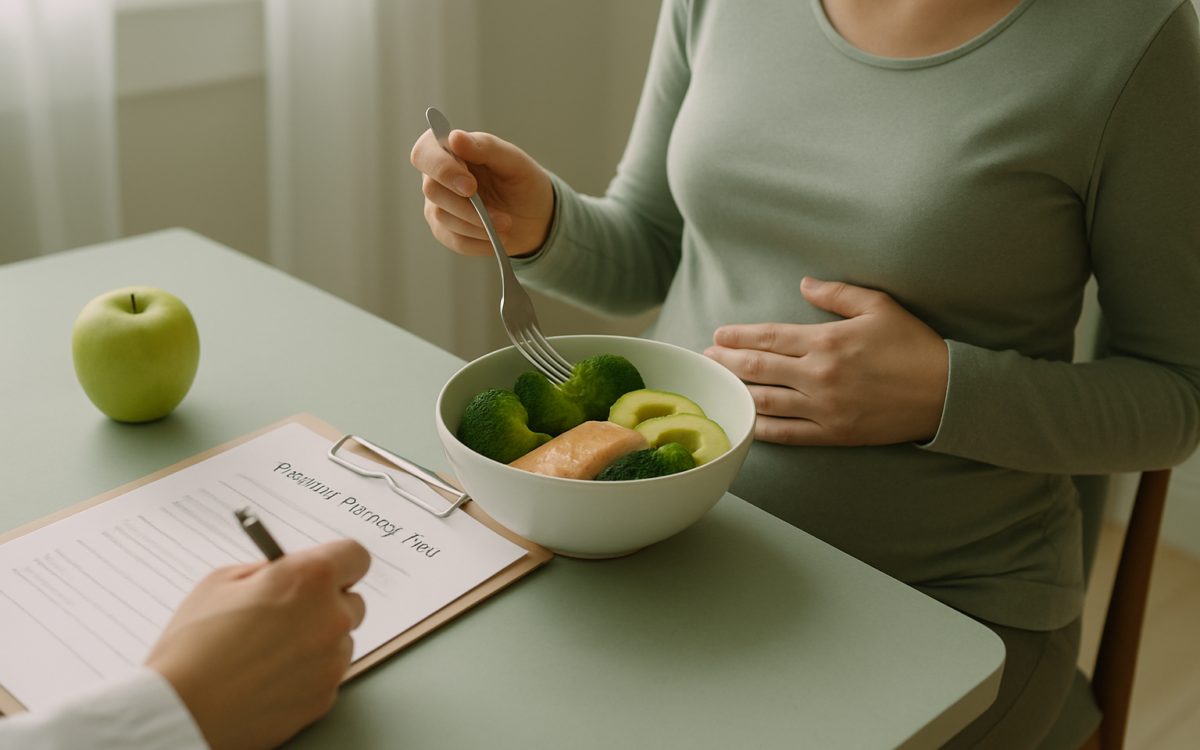
Congratulations on your pregnancy! As you embark on this exciting journey, one of the most important things you can do for yourself and your baby is to focus on a healthy diet. Developing a well-rounded prenatal eating plan will not only nourish you but will also support your baby’s growth and development.
The Importance of Nutrition During Pregnancy
Nutrition plays a critical role during pregnancy. Your body is working hard to create new life, and it needs a variety of nutrients to do so effectively. A balanced diet can help reduce the risk of complications such as gestational diabetes, high blood pressure, and low birth weight. According to the National Institute of Health, appropriate nutrition during pregnancy can positively impact both maternal and fetal health.
Essential Nutrients for Your Prenatal Eating Plan
Different nutrients are vital during pregnancy. Here’s a look at some key components to include in your prenatal eating plan:
- Folic Acid: Essential for preventing neural tube defects, aim for 600-800 mcg daily. Sources include leafy greens, fortified cereals, and beans.
- Iron: Supports increased blood volume and oxygen supply to your baby. Aim for 27 mg daily from sources like lean meats, spinach, and legumes.
- Calcium: Crucial for developing your baby’s bones and teeth. Aim for 1,000 mg per day through dairy, leafy greens, or fortified plant milk.
- Omega-3 Fatty Acids: Important for brain development. Incorporate sources like fatty fish, walnuts, or flaxseeds.
- Protein: Needed for tissue growth. Include lean meats, eggs, dairy, and plant-based protein sources.
Planning Your Meals: Making Healthy Choices
Creating a prenatal eating plan doesn’t have to be overwhelming. Here are some practical tips to help you make healthy choices:
- Variety is Key: Incorporate a mix of fruits, vegetables, whole grains, and proteins. This ensures you get a wide range of vitamins and minerals.
- Focus on Whole Foods: Choose unprocessed foods when possible. Fresh fruits, vegetables, whole grains, and lean proteins provide the most nutrients.
- Stay Hydrated: Drink plenty of water throughout the day. Staying hydrated is essential for your overall health and can help reduce swelling.
- Monitor Portion Sizes: While you may have cravings, try to be mindful of portion sizes to maintain a healthy weight.
Common Food Cravings and Aversions
Many pregnant women experience food cravings and aversions. Whether it’s a sudden love for pickles or an aversion to coffee, these changes are normal and often hormonal. Embrace these cravings but remember to prioritize nutrient-dense foods.
If you’re craving junk food, consider finding healthier alternatives. For example, if you’re craving sweet treats, opt for fruit or yogurt instead. Listen to your body, but also aim for balance in your diet.
Supplements: What to Consider
In addition to a healthy diet, prenatal vitamins can play an important role in filling nutritional gaps. Most healthcare providers recommend a daily prenatal vitamin that includes folic acid, iron, and other essential nutrients. Speak with your doctor to determine the best supplement for your needs, as individual nutritional requirements can vary.
When to Seek Professional Advice
If you have specific dietary restrictions, like a vegetarian or vegan diet, or if you have any health concerns related to your pregnancy, consult with a healthcare professional. They can guide you in creating a personalized prenatal eating plan that meets both your needs and those of your baby.
When to See a Doctor
If you are experiencing significant nausea or vomiting that prevents you from eating, or if you have concerns about your weight gain during pregnancy, reach out to your healthcare provider. It’s essential to communicate any dietary challenges or changes you are facing while pregnant.
In Conclusion
Creating a healthy prenatal eating plan is a vital step towards a successful pregnancy. Focus on incorporating a variety of nutrient-rich foods, stay hydrated, and listen to your body. Remember that seeking guidance from a healthcare professional can provide you with personalized recommendations tailored to your unique needs. A well-balanced diet not only helps you feel better but also lays the foundation for your baby’s healthy development.
