
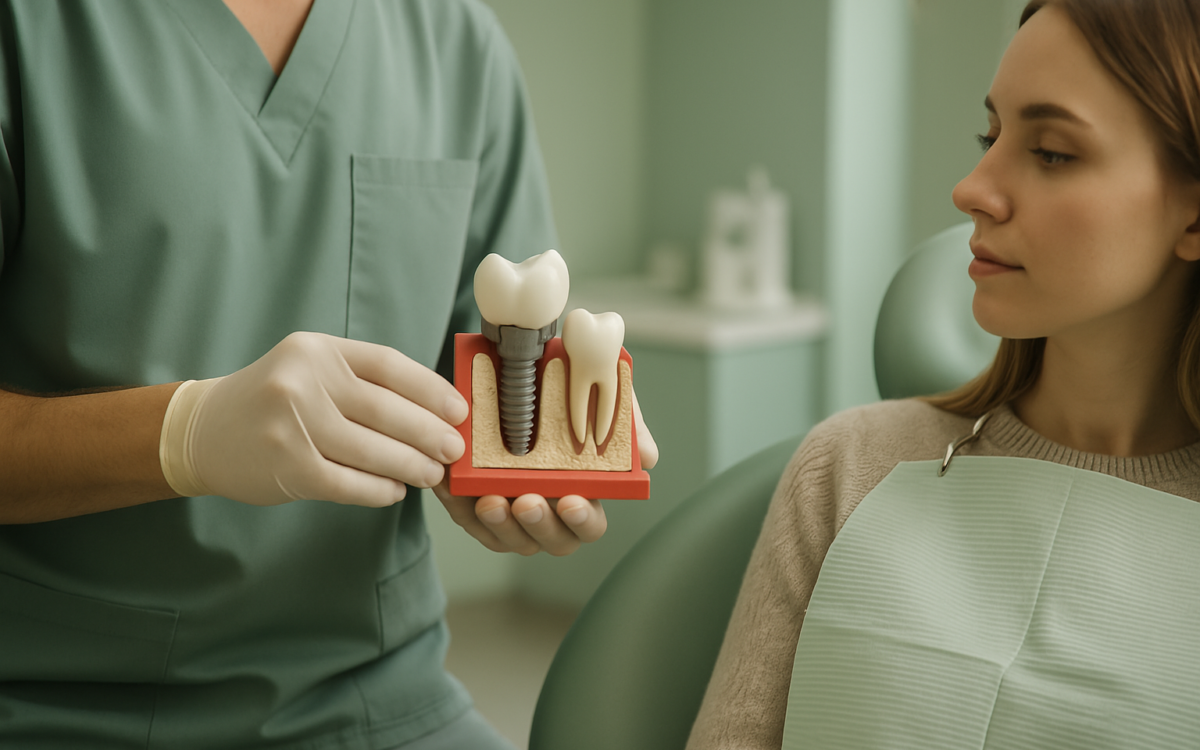
Dental implants have become a popular solution for those facing tooth loss, whether due to decay, injury, or other issues. They offer a permanent way to replace missing teeth, enhancing both functionality and aesthetics. However, not all dental implant centers are created equal. Choosing the right center for your dental implants can make a significant difference in your overall experience and the success of the procedure.
What Are Dental Implants?
Dental implants are artificial tooth roots, often made of titanium, that are surgically placed into the jawbone. Once the implants heal and integrate with the bone, they provide a solid foundation for replacement teeth, commonly known as crowns. Unlike dentures or bridges, implants are permanent and require the same care as natural teeth.
The Importance of a Specialized Dental Implant Center
When it comes to dental implants, it’s crucial to choose a center that specializes in implantology. A dental implant center focuses on the planning, placement, and maintenance of dental implants, led by dental professionals with specific training in this field. This specialization can greatly increase the likelihood of a successful outcome.
Key Factors to Consider
- Experience and Qualifications: Look for a center where the dentists have the appropriate training in oral surgery and implantology. Check for certifications and continuing education courses.
- Technology and Techniques: Advances in dental technology, such as 3D imaging and guided implant surgery, can enhance the precision of the procedure. Ensure the center uses the latest tools and methods.
- Patient Reviews: Examine online reviews and testimonials. Feedback from past patients can provide valuable insights into their experiences and satisfaction levels.
Consultation and Evaluation Process
<pBefore proceeding with dental implants, a thorough evaluation is typically necessary. The initial consultation at a dental implant center often includes:
- Medical history review
- Oral examination
- X-rays or 3D scans of the jawbone
- Discussion of treatment options and costs
This evaluation helps professionals determine if you are a suitable candidate for implants. Factors such as bone density and overall health play a significant role in this decision. Those considering dental implants should be prepared to discuss their medical history and any concerns with the dental team.
Understanding the Implant Procedure
The dental implant procedure is typically divided into several stages:
- Initial Placement: During the first surgery, the implant is placed into the jawbone. After this, a healing period of several months is required.
- Abutment Placement: Once healing is complete, an abutment is attached to the implant. This serves as the connector between the implant and the crown.
- Crown Placement: Finally, a custom-made crown is installed on the abutment, completing the process.
The timeline for this whole process can vary, ranging anywhere from a few months to over a year, depending on individual circumstances.
Cost Considerations
Understanding the costs associated with dental implants is essential for prospective patients. The total cost can vary widely based on factors like:
- The number of implants needed
- Location of the dental implant center
- Specific dietary needs or preparations before the procedure
- Any additional procedures, such as bone grafts, if required
It’s important to inquire about payment plans, dental insurance coverage, and any financing options that the center may offer.
Post-Procedure Care and Recovery
Recovery from dental implant surgery usually requires some adjustments to daily routines. Here are some things to keep in mind:
- Diet: Soft foods are recommended for the initial healing period.
- Oral Hygiene: Maintaining good oral hygiene is crucial for the success of the implants. Patients should follow their dentist’s recommendations closely.
- Regular Checkups: Regular follow-ups with the dental implant center are important to monitor healing and address any concerns.
Most patients can return to their regular activities within a few days, but complete healing of the jawbone may take several months.
When to See a Doctor
If you experience significantly increased discomfort, swelling, or any signs of infection following your implant procedure, it’s crucial to consult your dentist or oral surgeon. Early intervention can prevent complications and ensure your recovery stays on track.
Wrapping Up Your Research
Choosing the right dental implant center is a significant step in your oral health journey. By doing proper research and considering factors like expertise, patient care, and technology, you will be better prepared to make an informed decision. Dental implants can offer you a renewed smile and improved quality of life, so take your time and choose a center that will provide you with the best care possible.
