
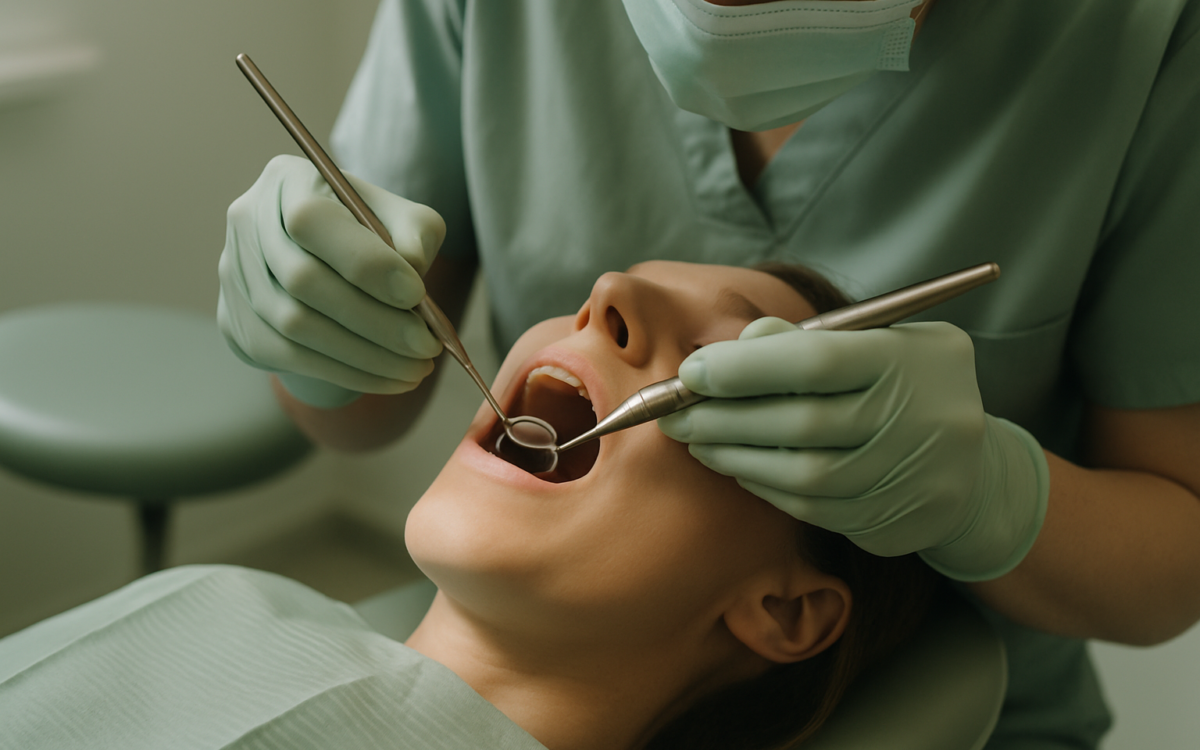
Dental procedures can seem daunting, but they play a crucial role in maintaining your oral health. Whether you’re visiting the dentist for a routine check-up or a specialized treatment, understanding what to expect can ease any anxiety. In this article, we’ll explore various types of dental procedures, their purposes, and how they contribute to your overall wellness.
Common Types of Dental Procedures
Dentists perform a wide range of procedures, each designed to address specific needs. Here are some of the most common types:
- Routine Cleanings: These are preventative services that help remove plaque and tartar buildup. A dental hygienist typically performs this every six months.
- Fillings: If you have a cavity, a filling can restore the tooth’s function and shape. The dentist removes the decay and fills the space with material like composite resin or amalgam.
- Root Canals: This procedure is necessary when the innermost part of a tooth, known as the pulp, becomes infected. The dentist removes the infected pulp, cleans the tooth, and seals it to prevent further infection.
- Extractions: In cases where a tooth is severely damaged or decayed beyond repair, extraction may be required. Dentists use anesthesia to ensure the patient feels no pain during the process.
- Dental Implants: For patients missing a tooth, an implant can be a durable solution. A titanium post is inserted into the jawbone, serving as a substitute root, onto which a crown is placed.
Why Dental Procedures Matter
Taking care of your teeth is essential not only for your smile but also for your general health. Poor oral health can lead to various issues, including heart disease and diabetes. Regular dental procedures help prevent these problems by:
- Preventing Disease: Routine dental check-ups can catch issues early, preventing more serious conditions.
- Reducing Pain: Timely interventions can alleviate pain caused by cavities or gum disease.
- Improving Appearance: Procedures like whitening or cosmetic bonding can enhance your smile, contributing to better self-esteem.
Preparing for a Dental Procedure
Preparation can significantly affect your experience during a dental procedure. Here are some tips to prepare:
- Communicate: Always inform your dentist about any allergies, medications, or health problems.
- Follow Instructions: Your dentist may provide instructions specific to your procedure, such as what to eat or drink beforehand.
- Plan for Recovery: For more invasive treatments like extractions or implants, arrange for someone to drive you home afterward, as you might feel groggy if sedation is used.
International Treatments and Options
For those considering dental procedures abroad, there are various factors to consider. Many countries offer high-quality dental services at lower costs, making them attractive options for international patients. This can include everything from routine dental check-ups to more complex procedures like dental implants. Organizations such as international patient services can provide valuable guidance on finding qualified dental professionals in other countries. Research the qualifications of dentists and the standards of care in the destination you choose.
Understanding Potential Risks and Side Effects
While dental procedures are generally safe, it is important to be aware of potential risks and side effects:
- Infection: Any procedure that involves cutting into the gums can risk infection.
- Bleeding: Some procedures may cause slight bleeding, which should subside shortly afterward.
- Nerve Damage: Rarely, dental procedures can affect nearby nerves, leading to temporary or permanent numbness.
If you’re experiencing unusual symptoms after a dental procedure, contact your dentist to discuss your concerns.
When to See a Dentist
Knowing when to seek professional help is crucial for maintaining oral health. You should see a dentist if you experience:
- Persistent toothache
- Swelling or tenderness in your gums
- Cracked or broken teeth
- Difficulty chewing or swallowing
- Bad breath that doesn’t go away
In general, regular dental visits can help mitigate many of these issues before they escalate.
Conclusion
Understanding dental procedures is essential for anyone looking to maintain healthy teeth and gums. These procedures not only solve immediate issues but also help prevent future problems, ensuring your oral health is in optimal condition. Don’t hesitate to consult your dentist about any questions or concerns you may have about the procedures they recommend. After all, keeping your smile bright and healthy is a significant investment in your overall well-being.
