
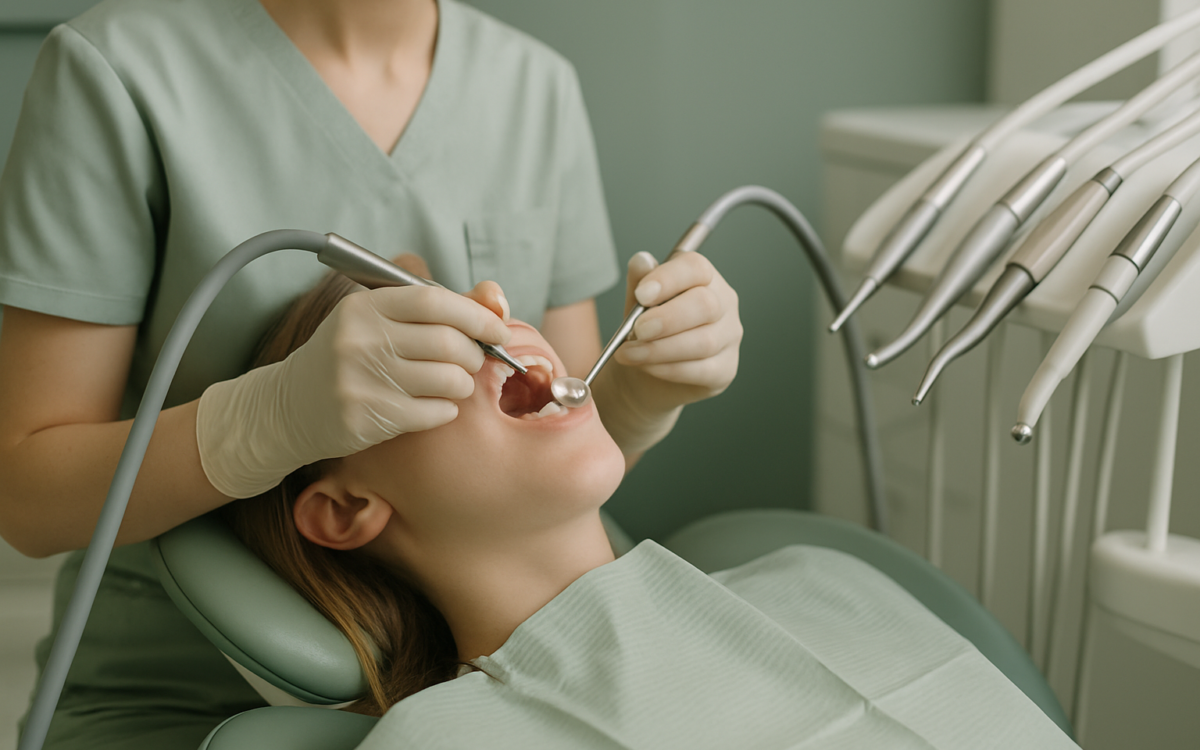
Your smile is one of your most valuable assets, reflecting your overall health and confidence. However, there may come a time when you need dental procedures to keep your teeth or gums in tip-top shape. Understanding common teeth procedures can help alleviate anxiety and prepare you for what’s ahead. Here, we’ll delve into several key dental treatments, explaining what they involve and what to expect.
Regular Dental Cleanings
One of the most basic yet essential dental procedures is regular cleanings. Typically recommended every six months, these cleanings help maintain oral hygiene and prevent more serious issues down the line.
During a cleaning appointment, a dental hygienist will:
- Remove plaque and tartar build-up from the surfaces of your teeth.
- Polish your teeth to remove stains and ensure a smooth surface.
- Provide guidance on how to improve your home dental care routine.
According to the CDC, regular dental cleanings can significantly reduce the risk of cavities and gum disease, making them a vital aspect of oral health.
Cosmetic Dental Procedures
Cosmetic dentistry focuses on improving the appearance of your teeth, gums, and smile. Popular cosmetic procedures include:
Teeth Whitening
This procedure uses bleaching agents to lighten teeth stained by food, beverages, or smoking. In-office whitening can provide immediate results, while at-home kits are available for gradual whitening.
Veneers
Veneers are thin shells of porcelain or resin placed over the front teeth to improve their appearance. They’re commonly used to correct issues such as discoloration, chips, or gaps between teeth.
Bonding
Dental bonding involves applying a tooth-colored resin to a tooth to fix chips or cracks. It’s less expensive than veneers and can usually be completed in one visit.
According to the Mayo Clinic, these cosmetic treatments can enhance your smile and boost your self-esteem.
Orthodontic Procedures
Orthodontics is a branch of dentistry focused on correcting misaligned teeth and jaws. If your smile isn’t as straight as you’d like, you might consider:
Braces
Braces use metal brackets and wires to gradually shift teeth into the correct position. Treatment time generally lasts from one to three years, depending on the severity of the misalignment.
Clear Aligners
These are another option for teeth straightening. Clear aligners are removable trays that apply pressure to your teeth, and they are less noticeable than traditional braces.
Orthodontic procedures not only improve the appearance of your smile but can also contribute to better oral hygiene and overall health by making it easier to maintain clean teeth.
Restorative Dental Procedures
Restorative dentistry focuses on repairing damaged or missing teeth. Some common restorative procedures include:
Fillings
Fillings restore the function and integrity of a tooth after decay. The dentist removes the decayed part of the tooth and fills the cavity with materials like amalgam, composite resin, or gold.
Crowns
Crowns are caps placed over damaged teeth to restore their shape, size, and strength. They’re particularly useful for teeth that have undergone root canal treatment or are severely worn down.
Dental Implants
Dental implants are a permanent solution for missing teeth. A titanium post is surgically placed into the jawbone, serving as an anchor for a false tooth (crown). According to the National Institutes of Health, implants can lead to improved quality of life and function.
Oral Surgery
Some dental issues may require surgical intervention. Oral surgery can involve:
Tooth Extractions
This may be necessary for severely decayed teeth or for wisdom teeth that may be impacted. Tooth extraction is typically a straightforward process, performed under local anesthesia.
Jaw Surgery
For more complex issues such as jaw misalignment, corrective jaw surgery may be necessary. This usually involves a hospital stay and a recovery period.
Understanding the potential need for oral surgery can prepare you for discussions with your dentist, ensuring you know what to expect.
Preventive Measures and Home Care
While dental procedures are vital for maintaining oral health, prevention is key. Here are some effective ways to keep your teeth and gums healthy:
- Brush your teeth twice a day with fluoride toothpaste.
- Floss daily to remove food particles and plaque between your teeth.
- Limit sugary and acidic foods and beverages.
- Stay hydrated and consider using mouthwash.
- Regular dental visits are essential for catching issues early.
When to See a Doctor
Knowing when to see a dentist can be crucial for maintaining good dental health. Make an appointment if you experience:
- Persistent tooth pain or sensitivity
- Gum swelling, bleeding, or receding
- Difficulty chewing or speaking
- Visible damage to teeth
- Bad breath that doesn’t go away
Prompt dental care can prevent minor issues from becoming significant problems.
In conclusion, understanding common teeth procedures is essential for making informed decisions about your oral health. Regular dental visits, proper home care, and knowing when additional treatments might be necessary can all play a significant role in maintaining that beautiful smile. Always consult with your dentist for personalized advice and treatment options based on your needs.
