
Having a bright, confident smile is something many people desire. Over time, our teeth can become stained or discolored due to various factors such as diet, aging, or lifestyle choices. This has led to a rise in the popularity of teeth whitening products, commonly referred to as blanqueador de dientes. In this article, we’ll explore the different types of teeth whitening options, their effectiveness, and important safety considerations you should keep in mind.
Understanding Teeth Discoloration
Before diving into teeth whitening options, it’s important to understand what causes teeth to stain. Common causes include:
- Food and Drinks: Beverages like coffee, tea, and red wine, as well as foods like berries and soy sauce, can contribute to surface stains.
- Tobacco Use: Smoking or chewing tobacco can lead to significant yellowing and brown stains on teeth.
- Aging: Enamel naturally wears down over time, leading to a darker appearance as the yellowish dentin underneath becomes more visible.
- Medication: Certain medications, such as tetracycline antibiotics or antihistamines, can also cause discoloration.
Types of Blanqueador de Dientes
There are various options available for those looking to whiten their teeth, each with its unique benefits and considerations.
Whitening Toothpaste
Most whitening toothpaste contains mild abrasives and chemicals that can help lift surface stains. While they can be effective for minor discoloration, they typically do not change the natural color of your teeth. Regular use can help maintain whiteness, but results will be limited compared to stronger whitening methods.
Over-the-Counter Whitening Kits
These kits often include whitening strips or gels that you apply directly to your teeth. They tend to have a higher concentration of peroxide, which can lead to more noticeable whitening results. It’s essential to follow the manufacturer’s instructions closely to minimize the risk of side effects.
Professional Whitening Treatments
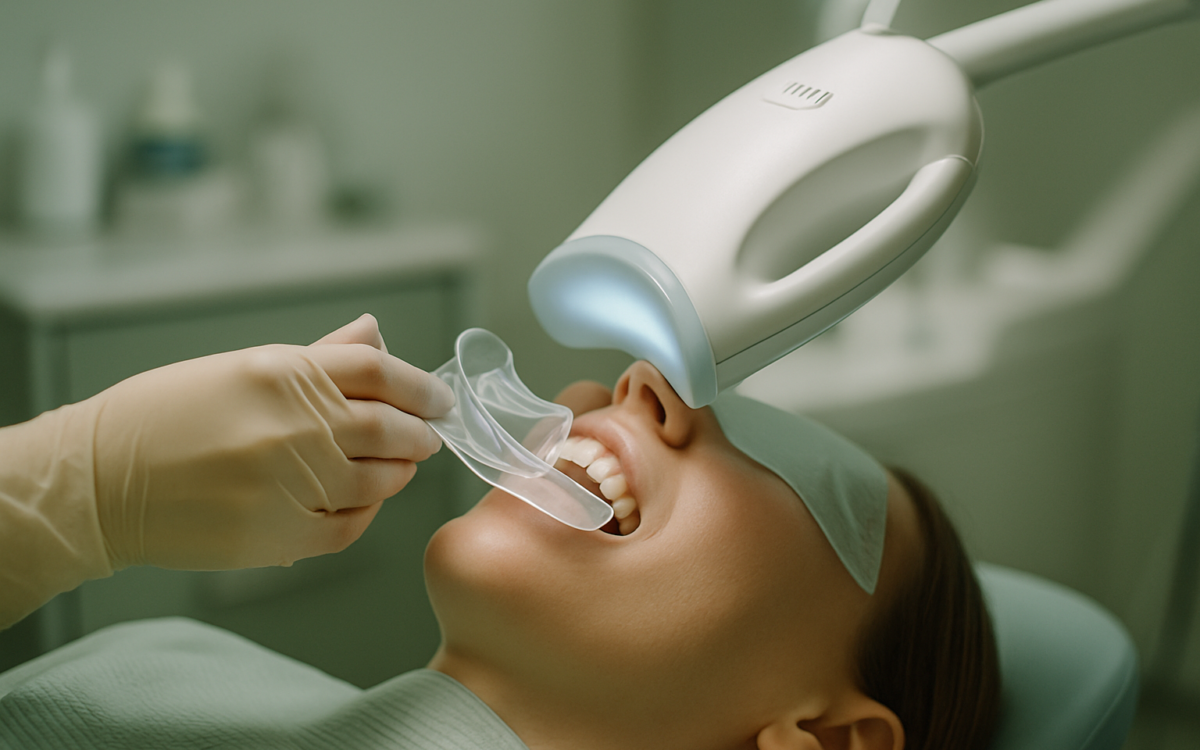
For quicker and more noticeable results, many people choose professional whitening treatments, which are performed by dental professionals. These treatments use stronger bleaching agents and may include in-office procedures or custom-fitted trays for at-home use.
Effectiveness of Whitening Methods
The effectiveness of different whitening methods can vary significantly. Some factors that influence results include:
- Original Tooth Color: Naturally darker teeth may require more intensive treatment.
- Type of Stains: Intrinsic stains (inside the tooth) are more challenging to remove than extrinsic stains (on the surface).
- Consistency: Regular use of whitening products often yields better results over time.
Safety and Side Effects
While many whitening products are deemed safe, there are some potential side effects to be aware of:
- Tooth Sensitivity: Some individuals may experience increased sensitivity to hot or cold after using whitening products.
- Gum Irritation: Whitening gels can sometimes irritate the gums if not applied carefully.
According to the Mayo Clinic, it’s essential to consult with your dentist before starting any whitening treatment, especially if you have existing dental issues.
Caring for Whitened Teeth
Once you achieve your desired level of whiteness, maintaining that brightness is crucial. Here are some tips for keeping your teeth looking their best:
- Regular Oral Hygiene: Brush and floss daily to keep your teeth clean.
- Avoid Staining Foods: Be mindful of the foods and drinks that can stain your teeth.
- Consider Touch-Ups: Use whitening toothpaste or occasional whitening strips to maintain results.
When to See a Doctor
If you’re considering teeth whitening, it’s a good idea to consult with a dental professional, especially if:
- You have dental restorations (crowns, bonding) that may not respond to whitening.
- You are pregnant or breastfeeding.
- You experience persistent tooth sensitivity or pain during or after treatment.
Conclusion
The quest for a brighter smile through blanqueador de dientes is a popular choice for many. With various options available, from whitening toothpaste to professional treatments, there’s something to fit most needs and budgets. However, it’s important to do your research and consult with your dentist to ensure safe and effective results. Whether you achieve your desired smile or not, remember that good oral health is just as vital as appearance.
