
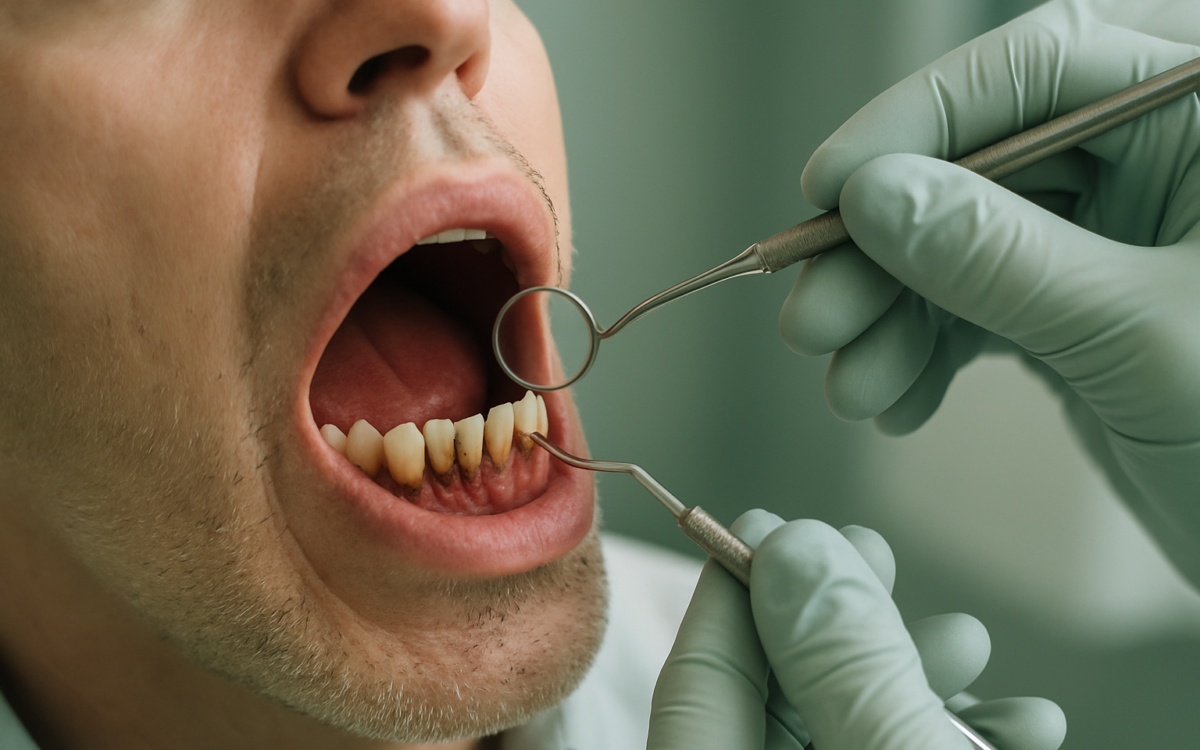
As we strive for great oral health, the importance of understanding gum disease should not be underestimated. Severe periodontal disease is a chronic inflammation of the gums and surrounding structures, and it can lead to serious complications without proper attention. This article will explore its causes, symptoms, and potential treatments, ensuring you’re well-informed on how to protect your smile.
What is Severe Periodontal Disease?
Severe periodontal disease, often referred to as periodontitis, is an advanced form of gum disease that affects the supporting structures of the teeth, including the bone. It often starts with mild inflammation called gingivitis, which, if untreated, progresses into more severe forms. The disease can lead to tooth loss and has been linked to other serious health issues such as heart disease and diabetes.
Causes and Risk Factors
Multiple factors can contribute to the development of severe periodontal disease. Recognizing them is the first step in prevention:
- Poor oral hygiene: Neglecting regular brushing and flossing can foster harmful bacteria.
- Smoking and tobacco use: These habits severely hinder gum health and healing.
- Genetic predisposition: Some people are genetically more susceptible to gum diseases.
- Hormonal changes: Events such as pregnancy, menopause, or puberty can affect gum health.
- Chronic conditions: Conditions like diabetes can increase susceptibility to gum disease and worsen its severity.
Recognizing Symptoms
Being aware of the symptoms of severe periodontal disease is crucial for timely intervention. Common signs include:
- Persistent bad breath or a bad taste in the mouth.
- Gums that bleed easily, particularly during brushing.
- Red or swollen gums that appear unhealthy.
- Pockets that form between the teeth and gums.
- Loosening or shifting of teeth.
If you notice any of these symptoms, it’s essential to seek professional dental care as soon as possible.
Diagnosis of Severe Periodontal Disease
Diagnosis typically begins with a dental examination, where your dentist will evaluate the health of your gums and measure the depth of any pockets around teeth. They may use X-rays to assess bone loss and the extent of the disease. According to the CDC, regular dental check-ups are vital for spotting severe periodontal disease early.
Treatment Options
1. Non-surgical Treatments
Initial treatments usually focus on cleaning and improving oral hygiene:
- Scaling and root planing: A deep cleaning procedure that removes tartar and plaque from below the gumline.
- Antibiotic therapy: Antibiotics may be prescribed to control bacterial infection.
2. Surgical Treatments
If non-surgical options don’t yield improvement, your dentist may recommend surgical procedures:
- Flap surgery: Involves lifting back the gums to clean deeper areas and stitching them back in place.
- Bone grafting: Used to restore lost bone tissue.
Treatment plans vary based on individual needs, and it is crucial to work closely with your dental care provider for the best outcomes.
Preventing Severe Periodontal Disease
While factors like genetics can’t be changed, many preventative measures can help maintain healthy gums:
- Brush your teeth at least twice a day with fluoride toothpaste.
- Floss daily to remove food particles and plaque in hard-to-reach areas.
- Consider mouthwash to help reduce bacterial buildup.
- Regular dental visits allow for professional cleanings and early detection of potential problems.
- Maintain a balanced diet to support overall health.
When to See a Doctor
If you experience persistent symptoms like bleeding gums, loose teeth, or bad breath that doesn’t go away, it’s time to consult your dentist. Early intervention is critical in treating severe periodontal disease effectively.
In summary, understanding severe periodontal disease is key to maintaining oral health. By recognizing symptoms early, understanding the importance of proper oral hygiene, and seeking timely treatment, you can protect your teeth and gums from serious complications.
