
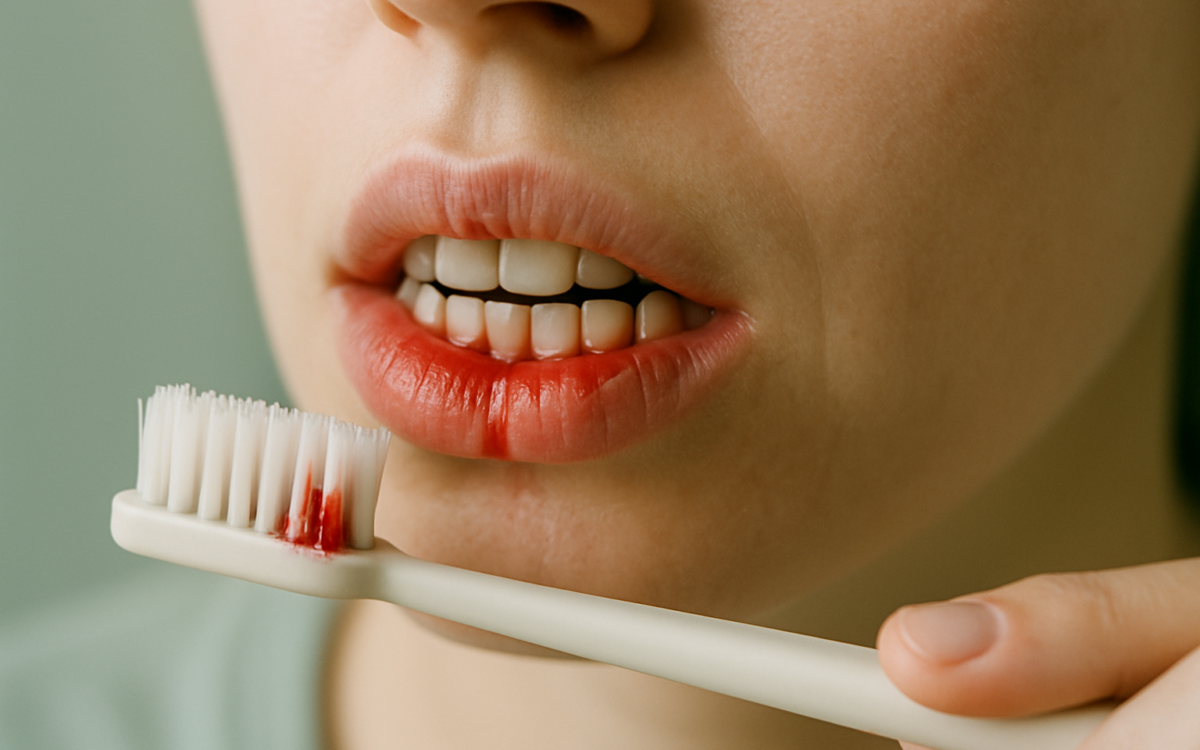
Having healthy teeth is essential for good overall health. However, many people experience occasional bleeding from the gums or around their teeth. This can be alarming, but understanding the causes and when to seek help can make all the difference in maintaining your dental health.
What Causes Bleeding of Teeth?
Bleeding of the teeth usually comes from the gums, a condition known as gingival bleeding. There are several common reasons why this might occur:
- Poor Oral Hygiene: Inadequate brushing and flossing can lead to plaque buildup, which irritates the gums.
- Gingivitis: This is an early stage of gum disease, characterized by swollen and bleeding gums. It is often caused by plaque accumulation and can be easily treated with improved oral hygiene.
- Periodontal Disease: If gingivitis is left untreated, it can progress to periodontal disease, a more severe form of gum disease that affects the structures supporting the teeth.
- Vitamin Deficiencies: A lack of vitamin C, or scurvy, can lead to gum bleeding due to weakened tissue.
- Blood Disorders: Conditions like hemophilia or other blood clotting disorders can make bleeding more likely.
- Certain Medications: Blood thinners or medications that affect blood clotting can lead to increased bleeding in the gums.
Signs of Bleeding of Teeth
While the bleeding itself can be a clear symptom, there are other signs to watch for that may indicate more serious issues:
- Swollen or red gums
- Pus or discharge between teeth
- Painful gums
- Loose teeth
- Persistent bad breath
If you notice any of these signs along with bleeding, it’s important to pay attention to your oral care routine and consult a dental professional.
How to Prevent Bleeding of Teeth
Preventing bleeding of the teeth involves adopting good oral hygiene practices. Here are some tips to consider:
- Brush regularly: Brush your teeth at least twice a day using a soft-bristled toothbrush to avoid irritating your gums.
- Floss daily: Flossing helps remove food particles and plaque buildup between your teeth and under the gumline.
- Regular dental check-ups: Visit your dentist at least twice a year for cleanings and check-ups. They can identify issues before they become serious.
- Healthy diet: Eat a balanced diet rich in vitamins and minerals. Foods high in vitamin C, such as oranges and leafy greens, strengthen gums.
- Avoid tobacco: Smoking or using other tobacco products can cause gum disease and other serious oral health issues.
- Stay hydrated: Drinking plenty of water can help maintain saliva production, which protects your gums and teeth.
When to Seek Professional Help
While some bleeding may be minor and related to brushing too hard or flossing for the first time, there are circumstances that require professional attention:
- If bleeding persists for more than a couple of days
- If it is accompanied by severe discomfort or swelling
- If you notice a significant change in the condition of your gums
- If you have a medical condition that might be contributing to bleeding
It is crucial to consult your dentist or a healthcare provider to assess your condition and determine the best course of action.
Home Remedies for Minor Bleeding
While it is important to maintain professional care, some home remedies can help improve gum health and reduce minor bleeding:
- Warm Salt Water Rinse: Rinsing your mouth with warm salt water can help reduce inflammation and kill bacteria.
- Turmeric Paste: Turmeric has anti-inflammatory properties. Applying a paste of turmeric powder and water may help soothe inflamed gums.
- Oil Pulling: Swishing coconut oil or sesame oil in your mouth for several minutes may help reduce bacteria and improve overall gum health.
Understanding Your Oral Health
Recognizing the relationship between bleeding teeth and your overall health is essential. Conditions affecting your gums can indicate broader issues, such as diabetes or heart disease. According to the National Institutes of Health, the state of your oral health reflects your overall wellness.
Educating yourself about how to maintain good dental hygiene and understanding the implications of issues like bleeding teeth is important for a lifetime of good health.
Conclusion
Bleeding of teeth, particularly from the gums, can often be a sign of underlying issues that need attention. With proper hygiene and regular visits to the dentist, many causes can be effectively managed or eliminated. If you experience persistent bleeding, don’t hesitate to consult a healthcare professional. Your smile deserves the best care.
