
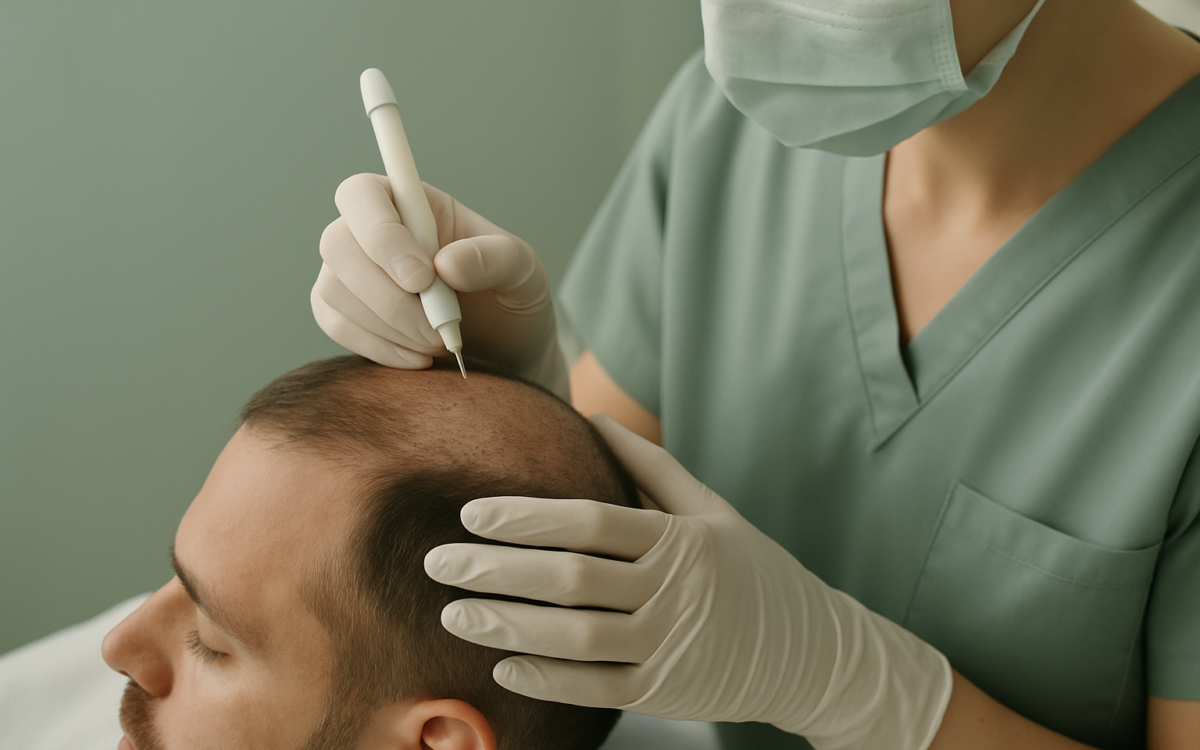
For those experiencing hair loss, the search for effective solutions can be overwhelming. One promising method that has gained popularity is Direct Hair Implantation (DHI). DHI offers a chance to restore hair with natural-looking results. In this article, we will dive into what DHI hair restoration involves, its benefits, and what you can expect from the procedure.
What is DHI Hair Restoration?
Direct Hair Implantation (DHI) is a relatively new hair restoration technique that is similar to the Follicular Unit Extraction (FUE) method. However, DHI stands out due to its unique implantation process. In DHI, individual hair follicles are extracted from the donor area, usually at the back of the scalp, and then immediately implanted into the recipient area using a specialized tool.
How Does the DHI Technique Work?
The DHI process involves several key steps:
- Consultation: Before the procedure, patients typically meet with a specialized surgeon to discuss their goals and evaluate their hair loss pattern.
- Hair Follicle Extraction: Under local anesthesia, the surgeon removes hair follicles from the donor area using a small punch tool.
- Implantation: Instead of creating channels in the scalp as in traditional methods, DHI uses a device called the Choi implanter. This tool allows the surgeon to control the angle, depth, and direction of each hair follicle implant.
- Post-Procedure Care: After the procedure, specific aftercare instructions are provided to ensure optimal healing and hair growth.
Benefits of DHI Hair Restoration
DHI offers several advantages over traditional hair restoration techniques:
- Minimal Scarring: The DHI technique leaves very little visible scarring, making it a more aesthetically pleasing option for many patients.
- Higher Survival Rate of Hair Follicles: Due to the immediate implantation of extracted follicles, there is a reduced risk of damage, leading to a higher survival rate.
- Natural Appearance: The meticulous implantation process ensures that the newly transplanted hair grows in a natural direction, providing a more authentic look.
- Faster Recovery: Most patients experience minimal downtime, allowing them to return to their regular activities sooner than with other procedures.
Expected Results from DHI Hair Restoration
Many patients who undergo DHI hair restoration enjoy remarkable results. However, it’s essential to manage expectations:
- Initial Shedding: After the procedure, there may be some initial hair shedding as the scalp adjusts. This is completely normal.
- Full Results Timeline: While some results may be visible within a few months, full results can take 8 to 12 months to become apparent.
- Longevity: With proper care and maintenance, the newly implanted hair can last for many years, potentially a lifetime.
Choosing the Right Specialist for DHI
It is crucial to find a qualified and experienced practitioner for your DHI hair restoration. Look for specialists who:
- Have positive reviews and testimonials from previous patients.
- Are certified and trained in advanced hair transplantation techniques.
- Provide a consultation to discuss your specific needs and goals.
In addition, verify that the facility uses proper hygiene standards and the latest technologies in hair restoration.
Potential Risks and Considerations
Like any medical procedure, DHI hair restoration comes with certain risks:
- Infection: There is a risk of infection at the extraction or implantation site.
- Overharvesting: In some cases, too many hair follicles might be extracted, affecting the density of the donor area.
- Inconsistent Results: Individual results may vary based on factors such as hair type, health, and genetic predisposition to hair loss.
It’s essential to have an open conversation with your surgeon about these risks before deciding on the procedure.
When to See a Doctor
If you are concerned about hair loss or considering DHI hair restoration, it’s important to consult with a healthcare professional. They can evaluate your hair loss pattern and help determine the best approach for you. Additionally, if you are experiencing sudden or patchy hair loss, it may be beneficial to seek medical advice immediately, as this could indicate an underlying health issue. Resources such as the NIH and Mayo Clinic can provide reliable information and guidance on hair loss.
In conclusion, DHI hair restoration is an innovative solution for those seeking to regain their hair with natural-looking results. By understanding the procedure and its benefits, you can make informed decisions about your hair restoration journey. Always consult with a qualified specialist to explore your options and ensure the best possible outcome.
