
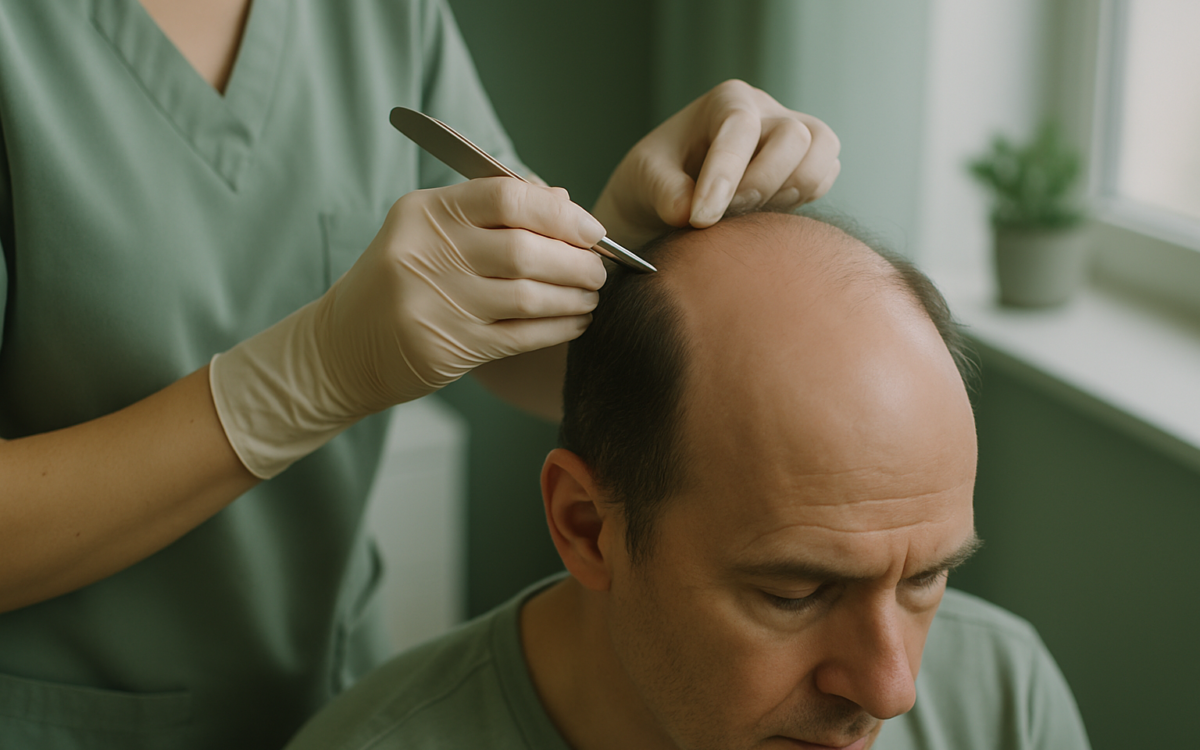
For many people, noticing a receding hairline can be a distressing experience. It is often seen as a sign of aging or genetic predisposition, leading to insecurity and discomfort. Fortunately, advancements in technology have led to hair implants becoming a viable option for those seeking a fuller head of hair. In this article, we will dive into what hair implants are, how they work, and what you should consider if you’re thinking about this hair restoration method.
What Are Hair Implants?
Hair implants, also known as hair transplants, involve moving hair follicles from one part of the body (donor site) to another (recipient site), typically the scalp. This procedure is particularly beneficial for individuals experiencing male or female pattern baldness, which often manifests as a receding hairline. Unlike many alternative solutions, such as topical treatments or pills, hair implants provide a permanent solution for hair loss.
How Do Hair Implants Work?
The process of hair implantation generally includes the following steps:
- Consultation: Before the procedure, a consultation with a qualified healthcare provider is essential. They will assess your hair loss, discuss your goals, and determine if you are a suitable candidate for the surgery.
- Donor Hair Extraction: Hair follicles are harvested from areas on your scalp where hair is still thick, often referred to as the ‘safe zone’. This is typically done using one of two main techniques: Follicular Unit Extraction (FUE) or Follicular Unit Transplantation (FUT).
- Implantation: The extracted follicles are then meticulously inserted into the area experiencing hair loss, aiming to create a natural look that matches your existing hair.
- Recovery: Post-surgery, there will be a recovery period during which you will follow specific care instructions from your doctor.
Benefits of Hair Implants
Choosing to undergo hair implants can offer a range of benefits:
- Natural Appearance: When performed correctly, hair implants closely resemble natural hair growth, ensuring that the results are aesthetically pleasing.
- Permanency: Unlike temporary solutions, hair implants provide a lasting fix, as the newly implanted hair typically continues to grow as it would naturally.
- Boosted Confidence: Many individuals report a significant increase in self-esteem and overall quality of life after having hair implants, as they no longer feel self-conscious about their appearance.
Potential Risks and Considerations
Despite their benefits, hair implants are not without risks. Some potential drawbacks include:
- Surgery Risks: As with any surgical procedure, there are risks such as infection, bleeding, or anesthesia complications.
- Cost: Hair implantation can be expensive and is often not covered by insurance. Costs can vary significantly depending on the extent of the procedure and the clinic’s location.
- Down Time: Recovery time varies from person to person, and some may find it inconvenient due to swelling or redness in the treated area.
Comparing Hair Implants with Other Treatments
Many individuals wonder how hair implants compare to other hair loss treatments available today:
- Topical Treatments: Products like minoxidil can help some individuals, but they often require ongoing use and are less effective than hair implants.
- Oral Medications: Finasteride is another option, but it must also be taken indefinitely and can have side effects.
- Scalp Micropigmentation: This technique can give the illusion of fuller hair, but it does not promote hair growth.
While these alternatives may work for some, hair implants stand out for those seeking a more permanent and realistic solution.
Who is a Good Candidate for Hair Implants?
Generally, good candidates for hair implants include:
- Individuals with sufficient hair on the sides and back of the head to act as donor sites.
- People who want a long-term solution and are willing to accept the surgical process.
- Those who have a clear understanding of their hair loss pattern and realistic expectations for results.
It’s crucial to consult with a healthcare professional to determine whether this solution is right for you.
When to See a Doctor
If you are experiencing significant hair loss or changes in your hair patterns, it’s wise to consult a healthcare provider. They can help identify the underlying causes and discuss appropriate treatment options. Conditions like hormonal imbalances or scalp diseases might require medical attention. Seek guidance if you have concerns about hair loss or the suitability of hair implants.
For more information about hair loss treatments, you can visit resources like the National Institutes of Health or the Mayo Clinic.
Ultimately, deciding on hair implants is a personal choice that involves weighing the benefits and risks while considering both your health and aesthetic goals. By educating yourself and consulting with professionals, you can make an informed decision that best aligns with your situation.
