
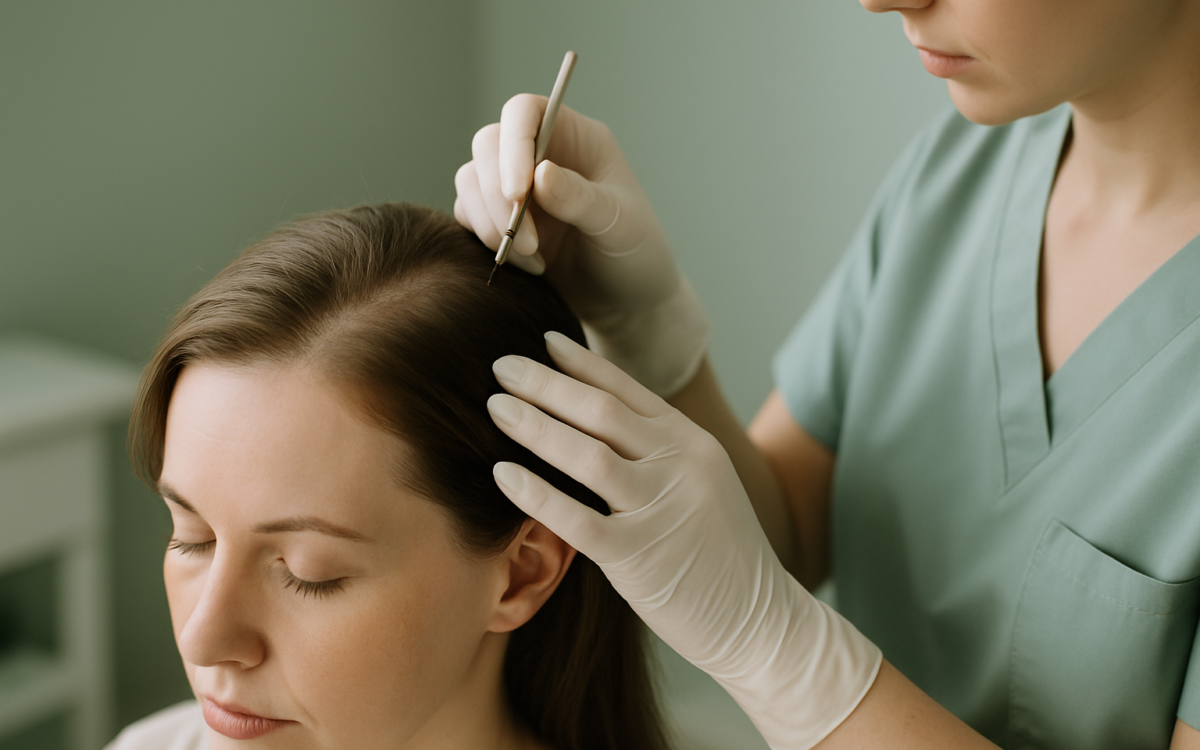
For many women, experiencing hair loss can be a distressing ordeal. It can affect self-esteem and alter the way one perceives their own beauty. Fortunately, advancements in cosmetic procedures have opened up new possibilities, including hair implants. In this article, we’ll explore what hair implants for women entail, the types available, the benefits, and what you should consider before making a decision.
Understanding Hair Loss in Women
Hair loss can occur for various reasons, ranging from hormonal changes to genetics and medical conditions. According to the National Institutes of Health, women experience hair loss differently than men, often thinning throughout the scalp instead of receding from the forehead. This type of hair loss, known as female pattern hair loss, can start as early as a woman’s 20s or 30s and may continue into later life.
What Are Hair Implants?
Hair implants, commonly known as hair transplants, involve the surgical relocation of hair follicles from one part of the body to another, typically from areas where hair is more abundant to balding or thinning regions. This procedure has gained popularity among women seeking a lasting solution to hair loss.
Types of Hair Implant Techniques
There are two main techniques used in hair implant procedures:
- Follicular Unit Transplantation (FUT): This technique involves removing a strip of skin containing hair follicles, which are then dissected and implanted into the thinning areas of the scalp. It may result in a linear scar at the donor site, but many women find that the benefits outweigh this concern.
- Follicular Unit Extraction (FUE): FUE is a more modern approach that involves extracting individual hair follicles directly from the scalp. This method leaves minimal scarring and allows for faster recovery times, making it a popular choice among women.
Benefits of Hair Implants for Women
Choosing to undergo hair implant surgery can bring several benefits:
- Natural Look: Hair implants are designed to blend seamlessly with existing hair, providing a natural appearance.
- Long-Lasting Results: Once implanted, the hair follicles continue to grow, similar to natural hair, ensuring enduring results.
- Boost in Confidence: Hair restoration can significantly enhance self-esteem and body image, allowing women to feel more confident in their appearance.
Potential Risks and Considerations
As with any surgical procedure, there are risks involved. It’s crucial to consider the following:
- Surgical Risks: Infection, bleeding, and scarring are potential surgical complications.
- Transient Shedding: Some women may experience temporary shedding of the transplanted hair before they begin to grow.
- Post-Operative Care: Proper care is essential for healing. Following the surgeon’s guidelines can help minimize complications.
What to Expect During the Procedure
The hair implant process typically takes several hours, depending on the size of the area being treated:
- Consultation: Begin with a thorough consultation with a qualified surgeon. This meeting will help you set realistic expectations and discuss your goals.
- Procedure Day: On the day of your procedure, you will be given local anesthesia. The surgeon will then use the chosen technique to transplant the hair follicles.
- Recovery: After the procedure, it’s common to have some redness and swelling at the implant site. Most women can return to normal activities within a week.
Aftercare and Maintenance
Following your hair implant procedure, proper care is vital for the best results:
- Follow Up: Attend follow-up appointments to monitor healing and growth.
- Proper Hair Care: Use gentle hair products and avoid strenuous activities that could disrupt healing.
- Be Patient: Hair growth can take several months, so patience is key as you await the final results.
When to See a Doctor
If you are experiencing hair loss that concerns you, consulting a doctor or a hair restoration specialist can provide insight into suitable options. Signs that you should see a healthcare provider include:
- Significant or sudden hair loss
- Loss of hair accompanied by scalp pain, itching, or redness
- Concerns about the health condition related to hair loss
Conclusion
Hair implants for women offer a promising solution for those struggling with hair loss. By understanding the different techniques, benefits, and potential risks, women can make informed decisions about their hair restoration journey. Always consult with a qualified healthcare professional to determine the best plan for your unique needs.
