
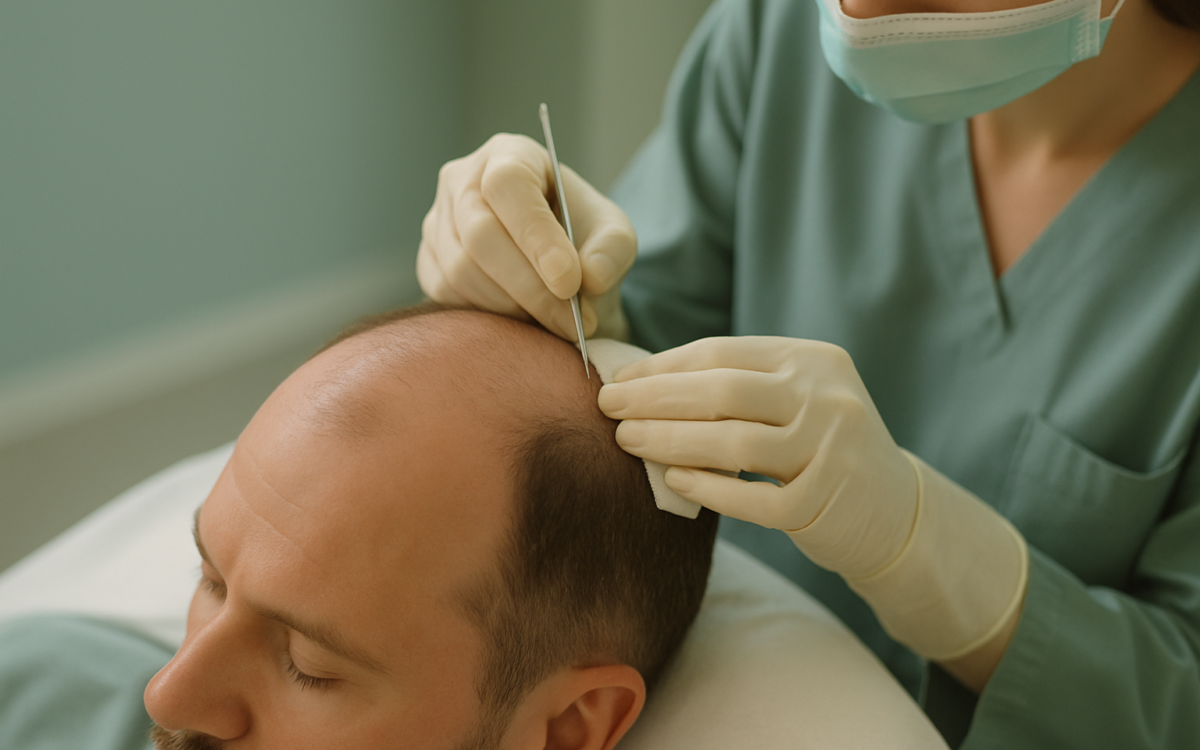
For many people, hair loss can be a difficult experience that affects self-esteem and confidence. Among the various hair restoration options available today, the hair plug procedure stands out as a method that has evolved significantly over the years. Understanding what this procedure entails can help individuals make informed decisions about their hair restoration journey.
What is the hair plug procedure?
The hair plug procedure, often referred to as hair transplantation, involves moving hair follicles from one part of the body (usually the back or sides of the scalp, where hair is more resistant to balding) to areas experiencing thinning or baldness. This process aims to create a fuller, natural appearance.
How does the procedure work?
The hair plug procedure is typically performed in several steps, which may vary depending on the technique used. The two most common techniques are Follicular Unit Transplantation (FUT) and Follicular Unit Extraction (FUE).
Follicular Unit Transplantation (FUT)
In FUT, a strip of skin containing hair follicles is removed from the donor area. The surgeon then divides this strip into smaller grafts, each containing one to four hair follicles, which are then implanted into the thinning or bald areas of the scalp.
Follicular Unit Extraction (FUE)
On the other hand, FUE involves extracting individual hair follicles directly from the donor area using a small punch tool. These follicles are then transplanted to the designated areas of the scalp. FUE is often preferred for its minimally invasive nature, but both methods can yield effective results.
Benefits of the hair plug procedure
The hair plug procedure offers a range of benefits for individuals dealing with hair loss:
- Permanent solution: Once the transplanted hair follicles take root, they can grow naturally and last a lifetime.
- Natural appearance: Advanced techniques make it possible to achieve a hairline that looks natural and blends seamlessly with existing hair.
- Boost in self-esteem: Successful hair restoration can significantly improve a person’s confidence and overall quality of life.
Potential risks and complications
As with any medical procedure, there are risks associated with the hair plug procedure. Some of these include:
- Infection: As the area is surgically altered, there is a risk of infection that can occur.
- Scarring: While techniques are improving, some patients may still experience noticeable scars, particularly with FUT.
- Unnatural appearance: If the procedure is not performed properly, there is a chance of ending up with an unnatural look, which can be distressing.
It is crucial to discuss these risks with a qualified healthcare provider before deciding on the procedure.
What to expect during recovery
Recovery from the hair plug procedure requires attention to post-operative care. Generally, patients can expect some swelling and redness in the transplanted area. Here are some common aspects of recovery:
- Initial recovery: You can usually return to normal activities within a few days but may need to avoid strenuous workouts.
- Hair shedding: It’s normal to experience shedding of transplanted hair within the first few weeks; however, new growth typically begins within a few months.
- Follow-up appointments: Regular check-ins with the surgeon will help monitor the healing process and ensure proper hair growth.
Choosing the right provider
Selecting a qualified professional to perform a hair plug procedure is vitally important. Here are some tips to help you find the right provider:
- Check credentials: Ensure the surgeon is board-certified and specializes in hair restoration.
- Look at reviews: Seeking out patient testimonials can give insights into the provider’s ability to deliver satisfactory results.
- Ask about techniques: Make sure the surgeon is familiar with both FUT and FUE techniques and can recommend the best option for you.
When to see a doctor
Consulting with a healthcare provider is essential if you are experiencing significant hair loss or considering a hair plug procedure. Your doctor can help you understand whether you are a suitable candidate for the surgery and inform you about potential alternatives. Additionally, reach out to a healthcare provider if you notice excessive hair shedding, scalp irritation, or other concerning symptoms.
Conclusion
The hair plug procedure can be an effective way to address hair loss, offering a permanent solution for those seeking restoration. However, as with any medical procedure, it’s important to weigh the benefits against potential risks. Gathering information and consulting with a knowledgeable healthcare provider can empower individuals on their journey toward regaining their confidence and achieving a fuller head of hair. For more information, consider visiting reliable sources like the Mayo Clinic or the National Institutes of Health.
