
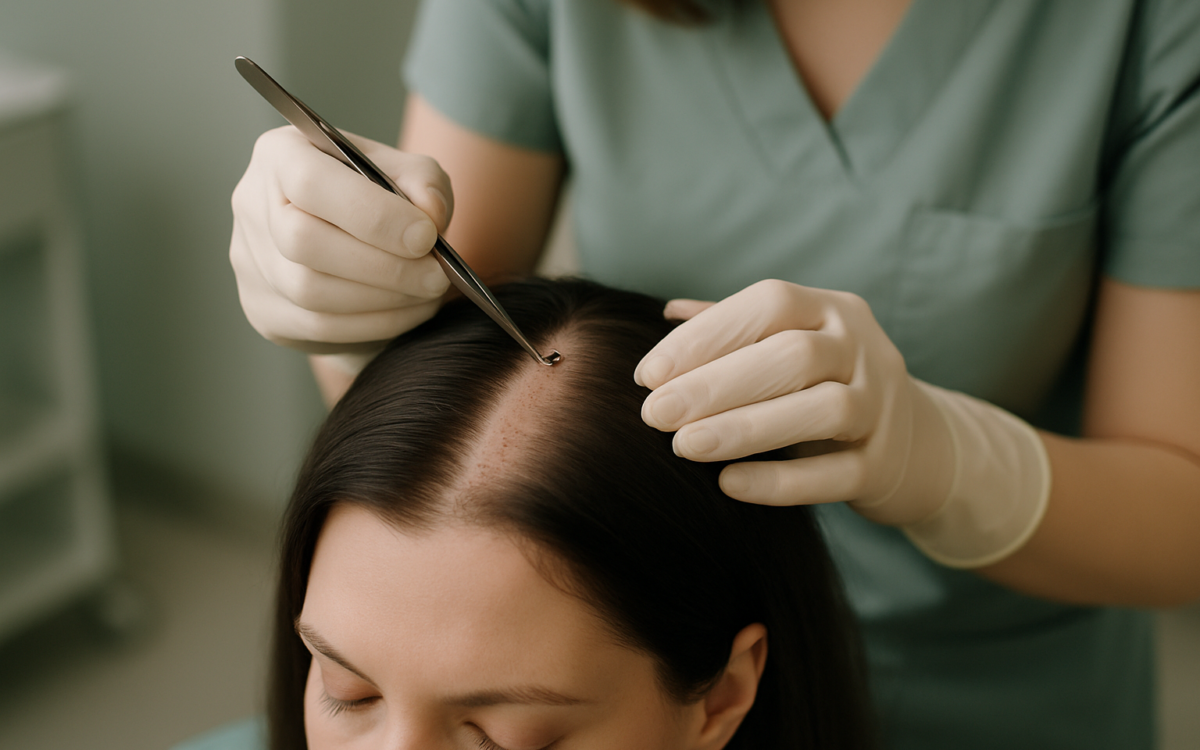
Hair loss is a common concern among women, affecting self-esteem and confidence. While often associated with men, women can experience significant hair thinning or baldness due to various factors, including genetics, hormonal changes, or medical conditions. In recent years, hair plugs have emerged as a popular hair restoration option for women seeking to improve their hair volume and appearance.
What Are Hair Plugs?
Hair plugs, or hair transplants, involve a surgical procedure where hair follicles are taken from a donor site and implanted into areas of thinning or balding. This method not only provides a natural-looking solution but also allows women to regain a fuller head of hair.
Why Do Women Experience Hair Loss?
Understanding the reasons behind hair loss in women is essential for exploring suitable treatments. Common causes include:
- Genetics: Female pattern baldness can run in families.
- Hormones: Changes due to pregnancy, menopause, or conditions like polycystic ovary syndrome (PCOS).
- Health Conditions: Conditions such as thyroid disease or autoimmune disorders can lead to hair loss.
- Stress: Physical or emotional stress can trigger temporary hair thinning.
- Nutritional Deficiencies: Lack of essential nutrients can contribute to hair loss.
Benefits of Hair Plugs for Women
Opting for hair plugs can provide several advantages:
- Permanent Solution: Unlike other hair restoration methods, hair plugs offer a long-lasting solution since the transplanted hair grows naturally.
- Natural Appearance: When performed by a skilled surgeon, hair plugs mimic the hair’s natural growth pattern.
- Boost in Confidence: Many women report a significant improvement in self-esteem after undergoing this procedure.
Are There Risks or Downsides?
As with any surgical procedure, there are potential risks and downsides:
- Scarring: Some women may experience scarring at the donor site or around the transplant area.
- Infection: There is always a risk of infection, as with any surgical procedure.
- Results May Vary: Factors like hair type, density, and individual health can affect outcomes.
International Treatment Options
Women considering hair plugs might want to explore options beyond local clinics. Countries such as Turkey have gained attention for offering affordable and high-quality hair restoration treatments. Many women travel for hair transplant procedures due to the combination of experienced specialists and competitive pricing. If you’re thinking about seeking treatment in Turkey, it’s essential to do thorough research and consult with professionals to ensure safe and effective care.
What to Expect During the Procedure
The hair plug procedure typically involves the following steps:
- Consultation: A thorough evaluation by a hair restoration specialist will help determine if you are a suitable candidate for the procedure.
- Surgery: The surgery can take several hours, depending on the extent of the treatment. Local anesthesia is used to minimize discomfort.
- Recovery: Post-surgery care is crucial. You may experience redness and swelling at the transplant site, but these symptoms generally improve over time.
When to See a Doctor
If you notice significant hair thinning or bald patches, consulting a healthcare professional is advised. Early diagnosis of the underlying cause can lead to better treatment options, including potential candidacy for hair plugs or other therapies.
Conclusion
Hair plugs can be an effective solution for women facing hair loss, offering a pathway to renewed confidence and a natural look. Understanding the procedure, its benefits, and potential risks is essential when considering this option. As with any medical decision, consulting with a qualified healthcare professional for personalized guidance is highly recommended.
