
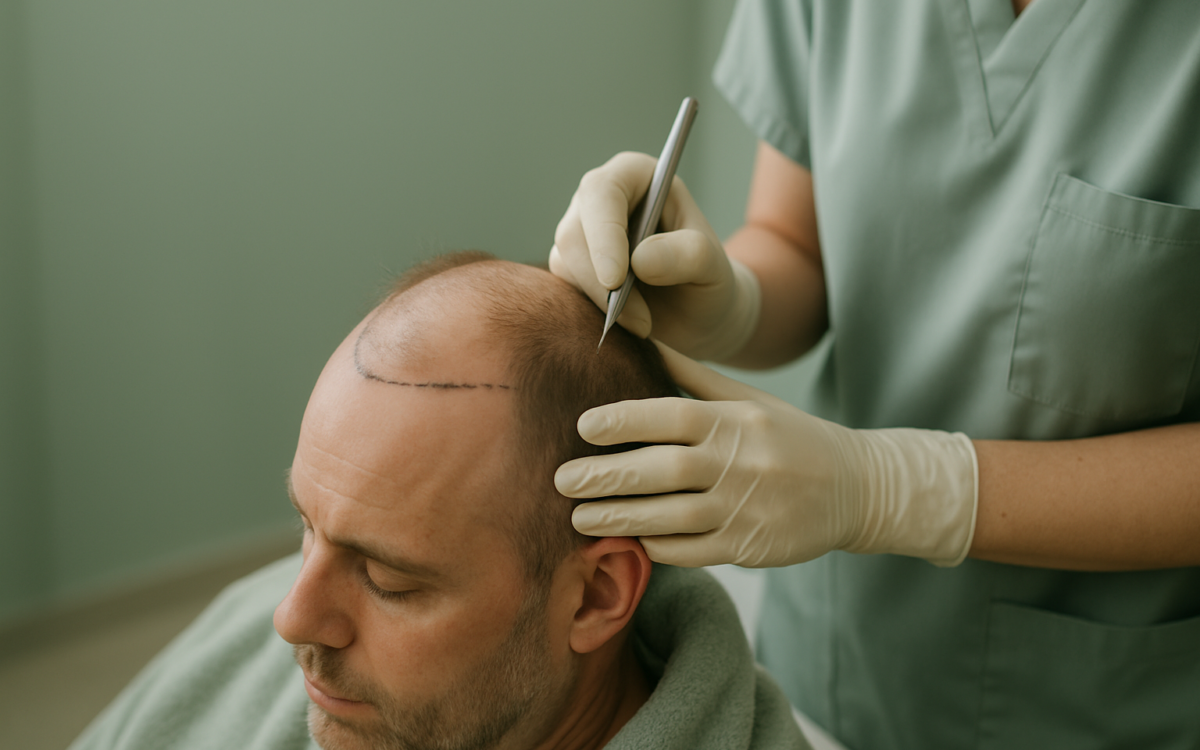
For many, hair loss can be a distressing experience. If you’re among those who are starting to notice thinning hair or bald patches, you may be considering options for restoration. One increasingly popular solution is a hair transplant, especially in bustling cities like Houston where various clinics offer specialized services. In this article, we’ll explore the different types of hair transplants, what to expect during the procedure, and important considerations before going through with it.
Understanding Hair Loss
Before diving into the specifics of hair transplants, it’s important to understand what causes hair loss. Hair loss, or alopecia, can be triggered by a variety of factors, including genetics, hormonal changes, medical conditions, medications, and even stress.
Many people experience androgenetic alopecia, commonly known as male or female pattern baldness, which is largely hereditary. Other types of hair loss can stem from conditions like alopecia areata or telogen effluvium. Addressing the underlying cause with the help of a healthcare provider is essential for selecting the right treatment.
Types of Hair Transplants
When researching hair transplant options, you may come across two primary techniques: Follicular Unit Transplantation (FUT) and Follicular Unit Extraction (FUE).
Follicular Unit Transplantation (FUT)
FUT, often referred to as the strip method, involves removing a strip of skin from a donor area—usually the back of the head. The strip is then divided into thousands of tiny grafts, which are implanted into the balding areas. This technique may be more suitable for individuals needing a significant amount of hair transplanted in one session.
Follicular Unit Extraction (FUE)
FUE, on the other hand, involves taking individual hair follicles from the donor area and transplanting them directly into the balding spots. This method typically results in less scarring and a quicker recovery time. It’s often preferred by those looking to maintain a shorter hairstyle, as it leaves minimal visible scars.
Finding a Hair Transplant Clinic in Houston
When selecting a clinic for your hair transplant in Houston, you should consider several factors:
- Credentials and Experience: Look for board-certified surgeons or those with specialized training in hair restoration. Experience can greatly impact results.
- Patient Reviews: Check online reviews or get testimonials from former patients. This can give you insights into the clinic’s reputation and quality of care.
- Before and After Photos: A trustworthy clinic should be willing to share before and after photos of previous patients, showing the outcomes of their procedures.
- Consultations: Schedule a consultation to discuss your specific situation and ask questions. A good clinic will provide you with a clear understanding of what to expect.
The Hair Transplant Procedure
On the day of the procedure, you’ll likely be given a local anesthetic to numb your scalp. Depending on the method chosen, the treatment can take anywhere from a few hours to a full day.
During FUT, the surgeon will remove a strip of skin and prepare the grafts, whereas FUE involves extracting individual follicles directly. After the grafts are prepared, they will be strategically placed into the balding areas using fine instruments. Once finished, your scalp may be bandaged, and you will receive aftercare instructions.
Recovery and Results
Post-procedure, it’s common to experience some swelling, redness, or discomfort. Many patients can return to their daily activities within a few days, though it’s wise to avoid strenuous exercise for a week or so.
Your hair will initially shed after the transplant, which can be concerning, but this is normal—new hair growth typically begins around three to six months after the procedure. Full results are usually visible within 12 to 18 months, and many are satisfied with their new hair, contributing to improved confidence.
Considerations and Potential Risks
While hair transplants are generally safe, they are not without risks. Possible complications include infection, scarring, and unnatural-looking results. It’s crucial to have realistic expectations and discuss potential risks with your surgeon.
Additionally, hair loss can continue even after a transplant, especially in areas not treated during the procedure. Some individuals may benefit from ongoing treatments, such as minoxidil or finasteride, to support hair growth and minimize further loss. Always consult a qualified healthcare provider for personalized advice.
When to See a Doctor
If you are experiencing significant hair loss or thinning and are unsure of the cause, it’s important to consult with a healthcare professional. They can help identify underlying issues and suggest appropriate treatments. If you’re considering a hair transplant, a qualified dermatologist or hair restoration specialist can guide you through your options.
In conclusion, a hair transplant can be a viable solution for those looking to restore their hair. By understanding the procedures available, evaluating clinics carefully, and managing expectations, you can make an informed decision. While the journey to fuller hair may have its ups and downs, many individuals find it to be a worthwhile investment in their self-esteem.
