
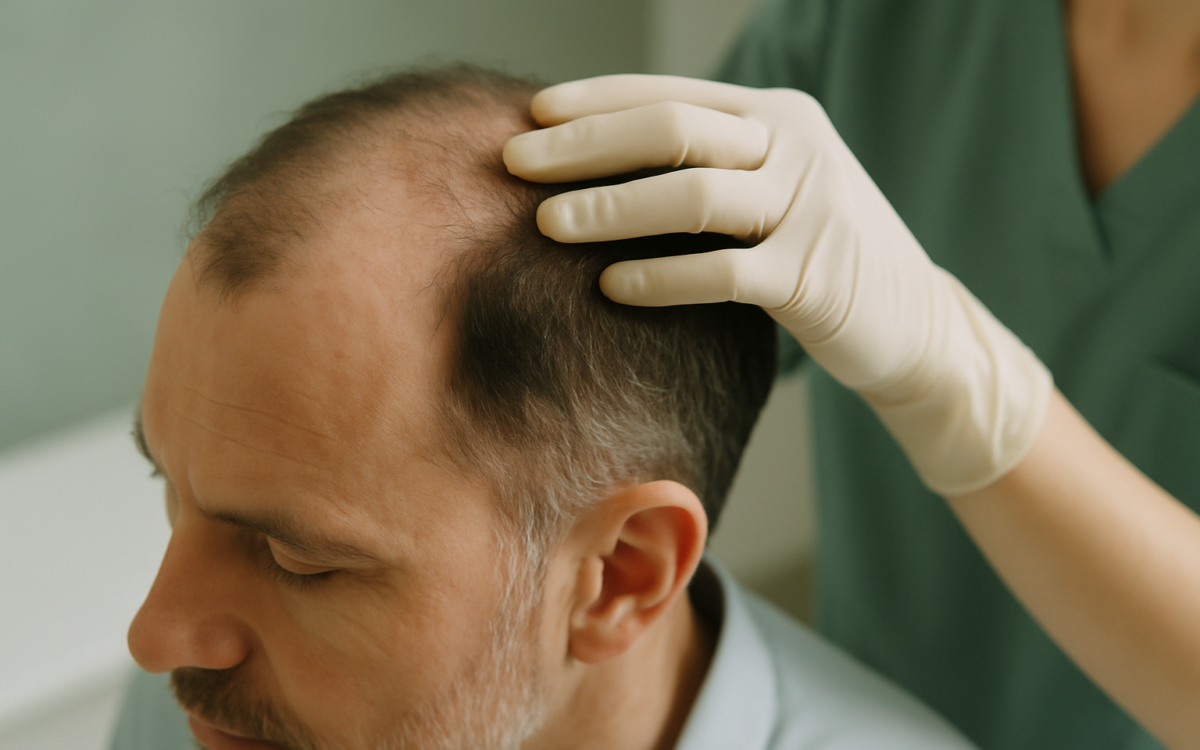
Hair loss can be a challenging and emotional journey for many individuals. Fortunately, hair restoration techniques like hair plugs have advanced significantly, offering promising solutions. Understanding how long hair plugs last and the factors that influence their longevity is vital for anyone considering this treatment.
What are hair plugs?
Hair plugs, also known as hair grafts, are sections of hair follicles transplanted from a donor site (usually the back of your head) to an area experiencing hair loss. This technique has evolved over the years, transitioning from larger, noticeable plugs to more refined and natural-looking grafts. The goal is to help individuals regain a fuller head of hair and enhance their self-esteem.
How long do hair plugs typically last?
On average, hair plugs can last a lifetime, especially if performed by a skilled professional. However, it’s important to understand that the hair follicles transplanted into the balding area behave like the follicles in their new location. This means a few important things:
- The longevity of hair plugs largely depends on the health and quality of the transplanted hair.
- Aging, hormonal changes, and genetic factors may affect the longevity of the results.
- After the initial procedure, the hair may go through cycles of growth, rest, and shedding.
Typically, newly transplanted hair follicles begin to shed within 2 to 3 weeks after the procedure, a normal part of the hair growth cycle. New hair usually starts to grow back after approximately 3 to 4 months. The final results can be seen within 6 to 12 months, and if everything goes well, the hair can remain in place for many years.
Factors influencing the longevity of hair plugs
Several factors can play a significant role in how long hair plugs last:
1. Skill of the Surgeon
The expertise of the surgeon performing the hair transplant is crucial. An experienced practitioner will ensure more effective placement and survival of the grafts. It’s essential to research the qualifications and reviews of potential surgeons.
2. Aftercare
Proper care in the weeks and months following the transplant is vital for longevity. Following your surgeon’s postoperative instructions, which may include gentle cleaning, avoiding sun exposure, and refraining from strenuous activities for a while, can help maintain the health of the hair follicles.
3. Genetics
Individual genetic factors also play a role. If there is a family history of hair loss, the new hair might still be susceptible to future thinning. Consulting a doctor about your family history can provide clearer expectations.
4. Health Conditions
Pre-existing health conditions, such as hormonal imbalances or autoimmune diseases, can affect how long the results from hair plugs last. Staying healthy and consulting your healthcare provider on managing any existing health conditions is essential.
5. Other Treatments
Many individuals combine hair plugs with other hair loss treatments, such as medications like minoxidil or finasteride. These treatments aim to prevent further hair loss and potentially enhance the effects of the transplanted hair.
International treatment options
For those considering hair restoration, it’s worth exploring international treatment options, as some countries offer advanced techniques at competitive prices. For example, acibademinternational.com provides insights on clinics and surgeons specializing in hair transplants globally. These options could be a viable alternative for those seeking high-quality care combined with affordability.
Maintaining your results
To maximize the longevity of your hair plugs, consider the following maintenance practices:
- Maintain a healthy diet rich in vitamins and minerals that promote hair growth.
- Regularly consult your healthcare provider for any necessary treatments.
- Avoid harsh chemical treatments and minimize heat styling that could damage hair.
- Be gentle when brushing or styling your hair to prevent any unnecessary stress on the transplanted follicles.
When to see a doctor
If you notice excessive shedding, irritation, or signs of infection at the transplant site, it’s essential to consult your doctor. These could be indicators of potential complications that need attention.
Conclusion
Hair plugs can offer long-lasting solutions to hair loss when performed correctly and cared for appropriately. By understanding the factors that influence the longevity of hair plugs and following best practices, you can enjoy the full benefits of this procedure for many years. Remember that consulting your healthcare provider is crucial to navigate the journey of hair restoration successfully.
