
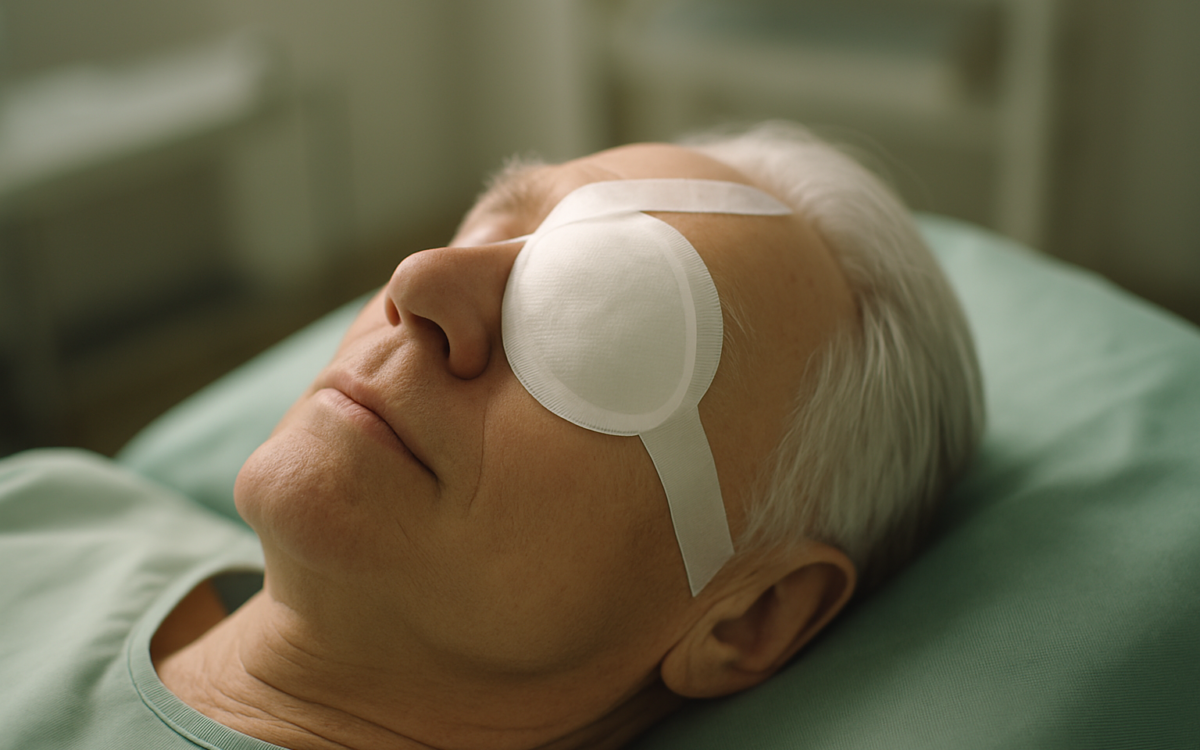
Cataract surgery is one of the most common and successful surgical procedures performed globally. If you’re considering cataract surgery or have already undergone the procedure, you might be curious about how long its effects last. Understanding this can help set realistic expectations and prepare you for life after surgery.
What is Cataract Surgery?
Cataract surgery involves removing the cloudy lens of your eye, known as a cataract, and replacing it with an artificial intraocular lens (IOL). The primary goal is to restore clear vision, which cataracts typically obstruct. It’s usually performed on an outpatient basis, meaning you can go home the same day.
How Long Does Cataract Surgery Last?
The results of cataract surgery generally last a lifetime for many people. However, individual experiences can vary based on several factors. Most patients experience significant improvement in vision soon after the procedure, but how long those benefits last can depend on:
- Ocular Health: The overall health of your eyes and any pre-existing conditions, such as glaucoma or diabetic retinopathy, can affect your surgical outcome.
- Age: Older patients may experience different healing patterns compared to younger patients.
- Type of Lens Used: There are various types of IOLs available. Some provide better vision in specific situations, and your surgeon can help determine which is best for you.
- Post-Operative Care: Following your doctor’s instructions after surgery, including attending follow-up appointments, is crucial for long-term success.
What to Expect After Surgery
During the healing process, which typically lasts several weeks, your vision may fluctuate. Most people notice substantial improvement within a few days or weeks, but full visual stabilization may take longer. Common post-operative experiences include:
- Improved Vision: Clearer sight is the most noticeable change, allowing for activities like reading and driving.
- Light Sensitivity: Some sensitivity to light or glare may occur initially.
- Comfort Level: Mild discomfort or irritation is normal but should improve over time.
Are There Risks or Complications?
While cataract surgery is generally safe, as with any procedure, there are potential risks, such as:
- Infection
- Inflammation
- Retinal detachment
- Vision problems such as glare and halos
It’s essential to discuss these risks with your eye surgeon beforehand to ensure you’re well-prepared and informed.
Factors Influencing Cataract Surgery Longevity
Though many people enjoy clear vision for years after cataract surgery, various factors can influence the longevity of results. Here are key elements to remember:
Age-Related Changes
As you age, your eyes may develop other conditions that could affect vision, such as macular degeneration or glaucoma. Regular eye check-ups are vital to detecting these issues early.
Your Lifestyle
Your lifestyle can also impact eye health. Factors such as diet, smoking, and sun exposure play roles in the development of additional eye diseases. Eating a balanced diet rich in antioxidants and wearing sunglasses can help protect your eyes.
International Considerations
If you’re considering cataract surgery abroad, understanding the quality of care and the experience of the healthcare professionals is essential. Many international patient services offer robust support for those seeking treatment in foreign countries. These programs help ensure you receive high-standard care and understand local medical practices. For instance, you can find support through international patient services that cater specifically to patients traveling for surgery.
When to See a Doctor
It’s crucial to monitor your recovery after cataract surgery. You should schedule follow-up appointments with your eye doctor to track your healing process. If you experience symptoms such as:
- Persistent pain
- Significant changes in vision
- Redness or swelling around the eye
- Flashes of light or floaters
These may indicate complications that need immediate attention. Always consult your healthcare provider if you have concerns.
Conclusion
Cataract surgery has a high success rate and can improve your vision significantly. While many enjoy long-lasting results, individual experiences can vary based on various factors. Regular eye care and maintaining a healthy lifestyle can help maximize the benefits of your surgery. Always follow your doctor’s guidance and reach out with any concerns regarding your recovery.
