
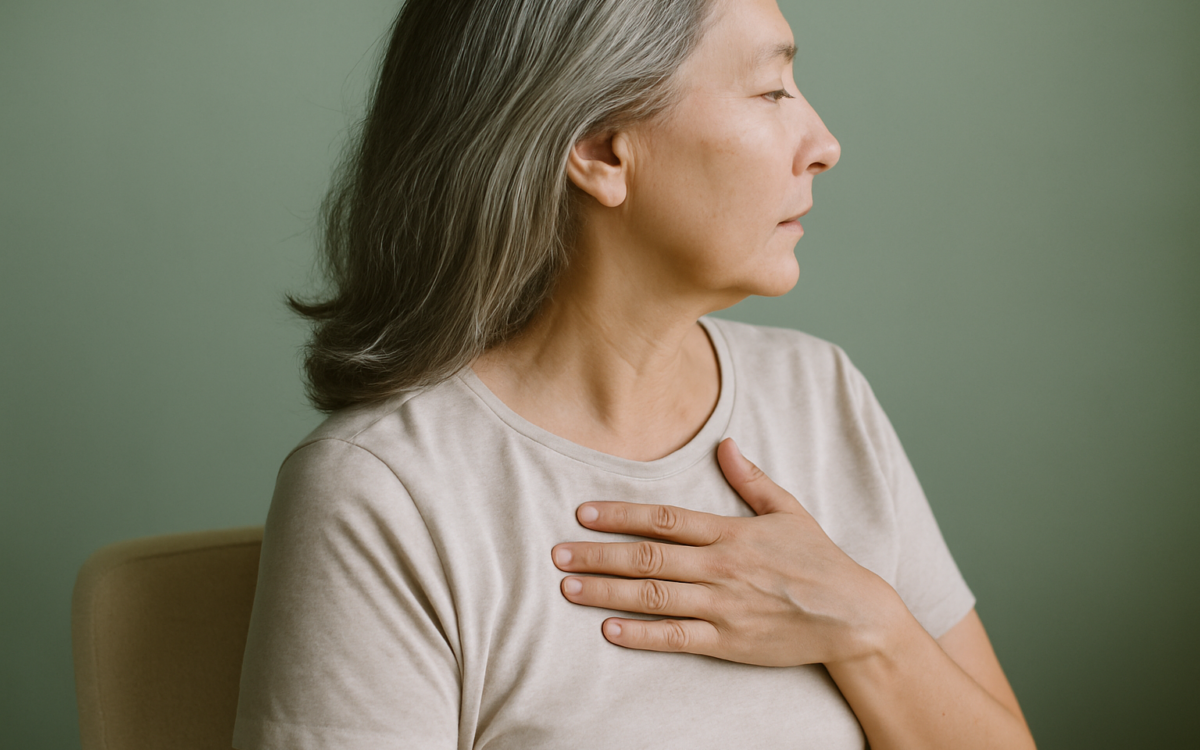
Menopause is a significant milestone in a woman’s life, marking the transition from her reproductive years to a new phase. While it may feel daunting, understanding what menopause is and when it typically occurs can empower women to navigate this natural process. This article breaks down the details of menopause, exploring its timing and the various changes that can accompany this transition.
What Is Menopause?
Menopause is defined as the time in a woman’s life when her menstrual cycles permanently cease, signaling the end of her reproductive years. This natural biological process typically occurs when a woman is in her late 40s to early 50s. It is important to note that menopause is a gradual process, not a sudden event.
When Does Menopause Typically Occur?
The average age for women to reach menopause is around 51 years old, though it can happen anytime between the ages of 45 and 55. Certain factors can influence when a woman experiences menopause, including genetics, health history, and lifestyle choices. According to the National Institutes of Health (NIH), about 5% of women may go through menopause before age 45, a condition known as early menopause.
The Phases of Menopause
Menopause is often divided into three stages: perimenopause, menopause, and postmenopause.
Perimenopause
Perimenopause is the transitional phase that typically begins several years before menopause. During this time, estrogen levels fluctuate wildly, and women may experience irregular periods or symptoms like hot flashes and mood swings. This phase can last anywhere from a few months to several years.
Menopause
A woman is considered to have reached menopause when she has gone 12 consecutive months without a menstrual period. This marks the end of ovulation and significant hormonal changes as the ovaries produce less estrogen.
Postmenopause
Postmenopause refers to the years following menopause. Women may continue to experience some symptoms, like hot flashes, but these often decrease in intensity over time. However, the loss of estrogen increases the risk of osteoporosis and heart disease, making it important for women to focus on health maintenance.
Common Symptoms of Menopause
Every woman experiences menopause differently, and the symptoms can vary greatly. Some common symptoms include:
- Hot flashes
- Nights sweats
- Irregular periods
- Vaginal dryness
- Sleep disturbances
- Mood changes
While not every woman will experience all these symptoms, the discomfort from some can impact daily life. Understanding these symptoms is important to manage them effectively. Discussing options with a healthcare provider can often lead to relief.
Factors Influencing Menopause Timing
Several factors can influence when a woman goes through menopause:
- Genetics: Family history can play a significant role in determining the onset of menopause. Women whose mothers experienced menopause earlier often do too.
- Health Conditions: Certain health conditions, such as autoimmune disorders or hormonal imbalances, may trigger earlier onset.
- Lifestyle Factors: Smoking and obesity can also impact the timing of menopause. Studies suggest that smoking can lead to earlier menopause, while maintaining a healthy weight may support a smoother transition.
What to Expect After Menopause
Following menopause, many women notice a shift in their health and wellness. As estrogen levels decline, the risk for certain health conditions can increase. Postmenopausal women may face higher chances of developing osteoporosis and heart disease. This underscores the importance of regular health check-ups and monitoring with a healthcare provider.
When to See a Doctor
If you are experiencing symptoms related to menopause or have concerns about your reproductive health, it is essential to consult with a healthcare provider. Early intervention can help manage symptoms and assess any health risks. Additionally, if you experience unusual symptoms or changes in your menstrual cycle, these should not be ignored.
Conclusion
Understanding menopause and its timing can help women face this natural transition with confidence. While the average age of onset is around 51, factors like genetics and lifestyle can influence when it occurs. It’s important to stay informed, note your personal experience, and consult healthcare professionals for support and guidance through this stage of life.
