
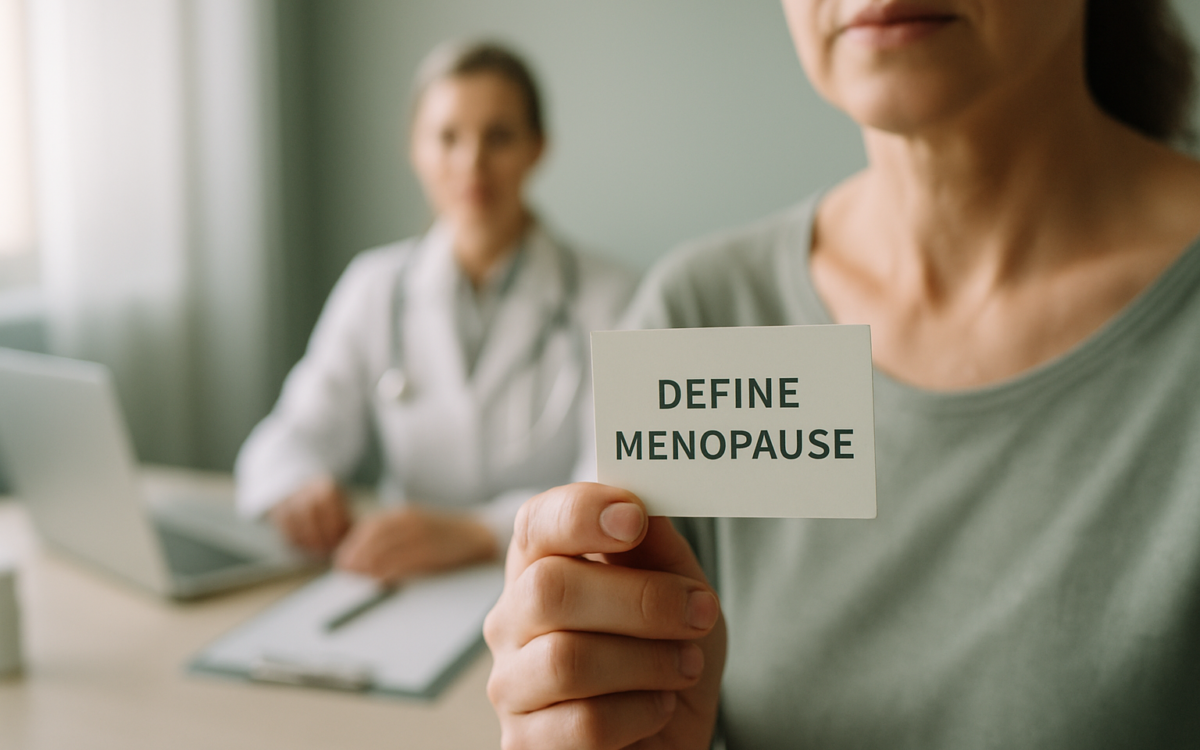
Menopause is a natural biological process that every woman will experience as she ages. It marks the end of a woman’s reproductive years and typically occurs between the ages of 45 and 55. Menopause is often associated with various changes in the body, both physically and emotionally. Understanding menopause can help women prepare for this transition and manage its symptoms more effectively.
What is Menopause?
Menopause is defined as the time in a woman’s life when menstruation has ceased for 12 consecutive months. This marks the end of ovarian function, meaning that the ovaries no longer release eggs and the production of hormones such as estrogen and progesterone decreases significantly. The hormonal changes associated with menopause lead to a range of symptoms and changes in the body.
The Stages of Menopause
Menopause is not an event but rather a process that occurs in three stages:
- Perimenopause: This is the transition period leading up to menopause, which can start in a woman’s 40s or even earlier. During this stage, hormonal fluctuations can cause irregular menstrual cycles and various symptoms.
- Menopause: As defined earlier, menopause occurs when a woman has not had a menstrual period for 12 months. The average age of menopause in the United States is around 51.
- Postmenopause: This stage refers to the years after menopause has occurred. Hormone levels stabilize at lower levels, and many women find that some symptoms, like hot flashes, may decrease over time.
Common Symptoms of Menopause
Many women experience a variety of symptoms during menopause, which can vary in intensity and duration. Common symptoms include:
- Hot flashes: Sudden feelings of warmth, often accompanied by sweating.
- Night sweats: Hot flashes that occur during sleep causing discomfort and potential sleep disruption.
- Irregular periods: Changes in menstrual cycle as hormonal levels fluctuate.
- Mood swings: Emotional changes, including irritability or depression, due to hormonal changes.
- Vaginal dryness: Decreased estrogen can lead to dryness and discomfort during sexual activity.
- Difficulty concentrating: Some women report memory lapses or
