
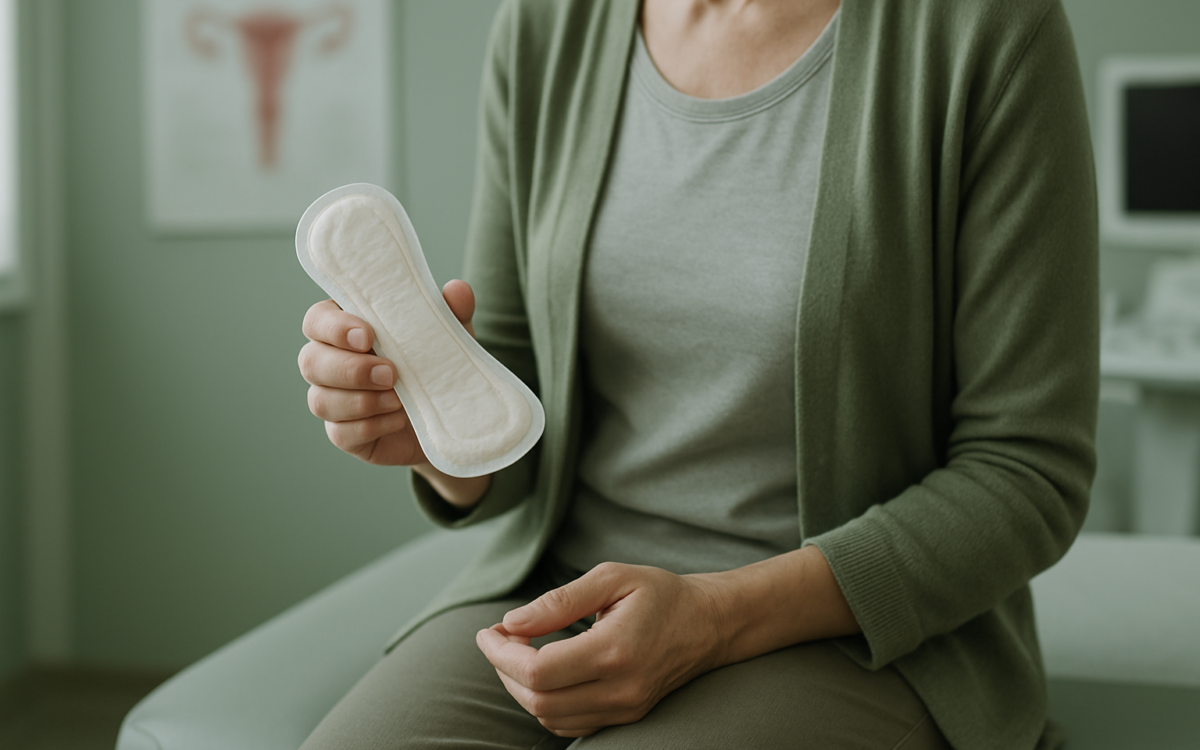
For many people assigned female at birth, menstruation is a monthly event that typically begins in their early teens and continues for decades. While periods are often seen as a challenging part of life, they serve an essential role in reproductive health. However, there’s a part of life when menstruation stops, marking a significant transition: menopause. Understanding when menstruation stops can provide clarity about women’s health as they age.
What is Menopause?
Menopause is a natural biological process that signifies the end of a woman’s reproductive years. It is officially diagnosed when a woman has gone a full year without a menstrual period. The average age for menopause in the United States is around 51 years, although it can occur anywhere from the late 40s to mid-50s. This stage comes with a host of physical and emotional changes due to the body’s shifting hormonal balance.
Perimenopause: The Transition Period
Before menopause occurs, many women experience a transition called perimenopause. This phase can begin several years—often as many as 4 to 10—before menopause and is characterized by irregular menstrual cycles. During perimenopause, the body gradually produces less estrogen, leading to various symptoms—including hot flashes, night sweats, and mood swings. Understanding this transition can help women prepare for the changes to come.
Factors That Influence the Timing of Menopause
Several factors affect when menstruation will stop, including:
- Genetics: Family history can play a significant role. If your mother or sisters experienced menopause at a certain age, you may too.
- Lifestyle: Factors like smoking, diet, and physical activity can influence the timing of menopause. For instance, women who smoke often reach menopause earlier.
- Health Conditions: Certain medical conditions, such as autoimmune disorders or conditions related to ovaries, may impact the timing of menopause.
- Hormonal Treatments: Women who have undergone treatments like chemotherapy or radiation for cancer may experience menopause earlier than expected as these can damage the ovaries.
The Signs of Menopause
As a woman’s body begins to reach menopause, she might notice several signs beyond just the cessation of her period:
- Hot Flashes: Sudden feelings of heat that can be quite uncomfortable.
- Night Sweats: Hot flashes that occur at night, often disrupting sleep.
- Mood Changes: Fluctuations in hormones can lead to irritability or sadness.
- Vaginal Dryness: Decreased estrogen levels can lead to changes in vaginal health, resulting in dryness.
- Changes in Sleep Patterns: Difficulty sleeping is common during this time.
What Happens After Menopause?
Once menopause is reached, menstruation stops completely. This new phase of life, often referred to as postmenopause, can be a time of adjustment for many women. Some symptoms associated with menopause, like hot flashes, may persist for a few years, while others may diminish over time. Postmenopausal women are also at an increased risk for certain health issues, like osteoporosis and heart disease, due to lower estrogen levels. Regular health check-ups and conversations with healthcare providers about risks and preventive measures are essential.
Managing Symptoms of Menopause
There are various ways to manage the symptoms of menopause:
- Lifestyle Changes: Maintaining a healthy diet, staying active, and managing stress can significantly improve symptoms.
- Hormone Therapy: Estrogen or hormone replacement therapy may be an option for some women, but it’s crucial to discuss the risks and benefits with a healthcare provider.
- Non-Hormonal Treatments: Some women find relief with certain medications that aren’t hormonal, such as antidepressants.
Understanding and discussing these options can empower women to take control of their health during this transition.
When to See a Doctor
If you’re experiencing severe symptoms during perimenopause or menopause that interfere with your daily life, or if you notice changes in your menstrual cycle that concern you, it’s important to consult a healthcare provider. Additionally, if you experience any unusual bleeding after menopause, this should be addressed immediately as it can be a sign of other health issues. For more information on menopause and women’s health, you can visit the NIH and WHO websites.
Conclusion
Understanding when menstruation stops and the journey through menopause can help women prepare for this significant life change. While the end of menstruation may signal the conclusion of reproductive years, it also opens up new opportunities for freedom and self-discovery. By staying informed about the changes happening in their bodies and maintaining open communication with healthcare providers, women can navigate this new stage of life with confidence.
