
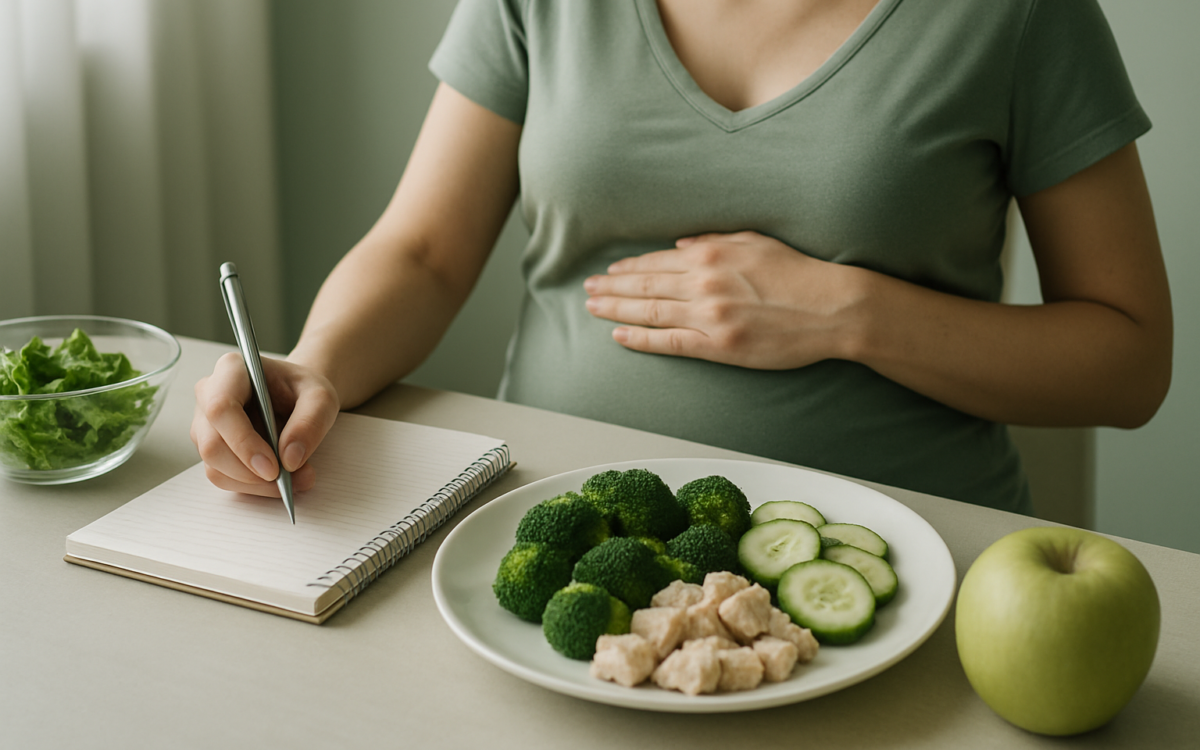
Pregnancy is a beautiful journey, but it also comes with its fair share of challenges. One key element to managing this transformative phase is how you nourish yourself. A well-balanced eating plan while pregnant not only supports your health but also contributes to your baby’s growth and development. Here, we’ll explore what to include in your diet, what to avoid, and tips for maintaining a healthy eating routine.
Essential Nutrients for a Healthy Pregnancy
As your body changes and your baby grows, specific nutrients become especially important. Make sure your eating plan includes:
- Folic Acid: Vital for fetal development and preventing neural tube defects. Expecting mothers should aim for at least 600 micrograms per day. Leafy greens, legumes, and fortified cereals are excellent sources. CDC
- Iron: Supports increased blood volume during pregnancy and prevents anemia. Foods rich in iron include lean meats, beans, and spinach. Pair them with vitamin C sources to enhance absorption.
- Calcium: Crucial for developing strong bones and teeth for your baby. Aim for 1,000 mg per day through dairy products, fortified alternatives, and green leafy vegetables.
- Protein: Essential for the growth of tissue and organs in both you and your baby. Include sources like lean meat, poultry, fish, eggs, dairy, beans, and nuts in your meals.
Foods to Include in Your Eating Plan
A balanced diet should combine a variety of food groups for comprehensive nutrition. Focus on incorporating the following food categories:
- Fruits and Vegetables: Aim for at least five servings each day. These provide essential vitamins and minerals, as well as fiber.
- Whole Grains: Choose whole-grain breads, pasta, and brown rice, which help maintain energy levels and support digestion.
- Lean Proteins: Include options such as poultry, fish (low in mercury), eggs, and plant-based proteins. Try to consume a variety to get a mix of nutrients.
- Dairy or Alternatives: Opt for low-fat or non-fat milk, yogurt, and cheese, or fortified plant-based alternatives.
What to Avoid While Pregnant
There are certain foods and substances you should limit or avoid altogether to keep you and your baby safe. Here’s a quick rundown:
- Fish with High Mercury: Avoid shark, swordfish, king mackerel, and tilefish. Instead, choose salmon, shrimp, and tilapia, which are low in mercury.
- Processed Foods: Limit those high in sugar, unhealthy fats, and sodium. These do not provide the nutrition you and your baby need.
- Unpasteurized Dairy Products and Juices: These can harbor harmful bacteria. Opt for pasteurized options to ensure safety.
- Caffeine and Alcohol: Limit caffeine intake and avoid alcohol completely during pregnancy to reduce risks of developmental issues.
Meal Planning Tips for Expecting Mothers
Creating an eating plan can feel overwhelming at times. Here are some practical tips to make it easier:
- Plan Ahead: Spend some time each week planning meals and snacks. This helps ensure you have healthy options at hand and reduces last-minute unhealthy choices.
- Keep a Food Diary: Tracking your meals can help you stay aware of your nutrient intake and patterns, making it easier to adjust as needed.
- Stay Hydrated: Drink plenty of water throughout the day. Adequate hydration is essential for overall health and can help reduce cravings.
- Make it Enjoyable: Prepare flavorful meals using herbs and spices. Eating should be a joy, not a chore!
The Role of Prenatal Vitamins
Even with a balanced diet, prenatal vitamins can be a crucial addition to your eating plan. These supplements usually contain appropriate amounts of essential nutrients like folic acid, iron, and DHA. Ideally, you should start taking them at least a month before conception and continue throughout your pregnancy. Always consult your doctor to determine the right prenatal vitamin for your needs.
When to See a Doctor
If you have any concerns about your eating plan or how your diet may affect your pregnancy, it’s essential to seek advice from your healthcare provider. Signs that you should consult a doctor include:
- Severe nausea or vomiting that prevents you from eating or drinking.
- Sudden weight loss or gain.
- Unexplained fatigue or weakness.
- Any food allergies or intolerances that may arise.
Conclusion
Creating a balanced eating plan while pregnant is integral to supporting your health and your baby’s well-being. By incorporating essential nutrients, focusing on whole foods, and avoiding harmful substances, you can nourish both yourself and your growing child. Remember to consult with your healthcare provider for personalized guidance, and cherish this special time in your life!
