
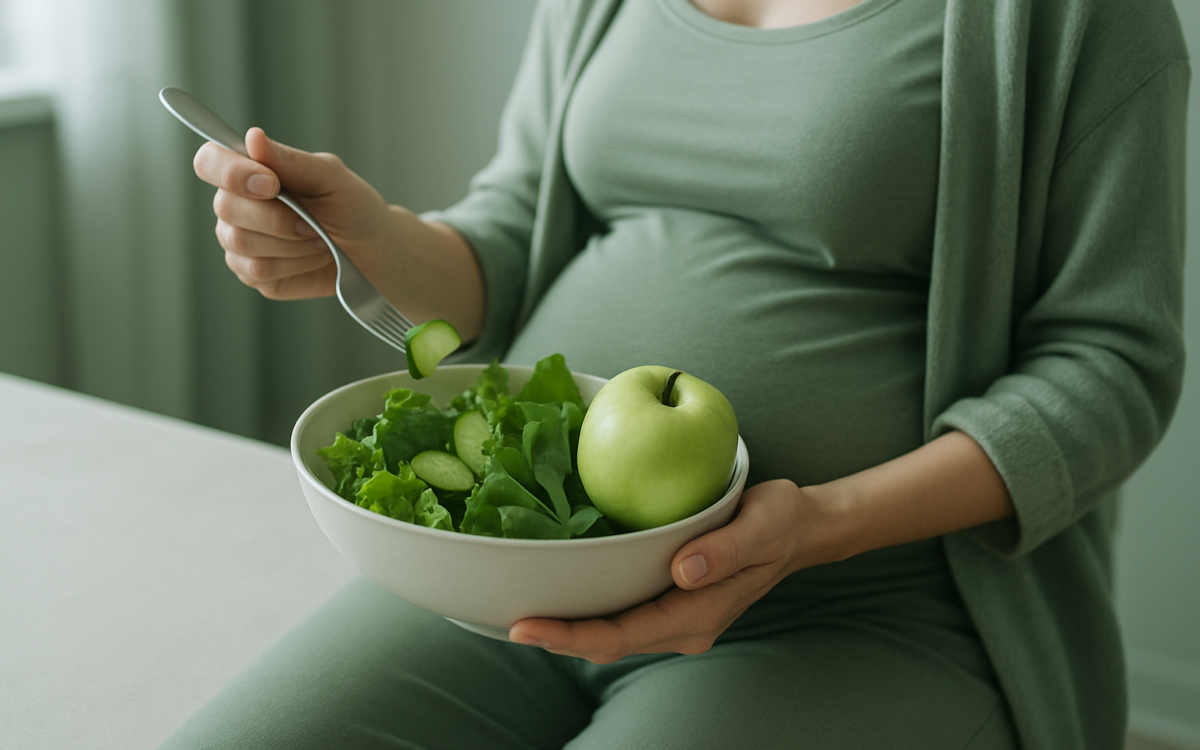
Pregnancy is a time of remarkable change for a woman’s body, and nutrition plays a crucial role during this period. What you eat affects not just your health, but also the development of your baby. It can feel overwhelming to navigate the dietary choices when you’re pregnant, but understanding the essentials can help ensure you and your little one thrive.
The Importance of Nutrition in Pregnancy
During pregnancy, your body requires additional nutrients to support the growth and development of your baby. This includes more calories, protein, vitamins, and minerals. Adequate nutrition is vital for the health of both you and your baby. According to the Centers for Disease Control and Prevention (CDC), a well-balanced diet can help decrease the risk of complications such as gestational diabetes, preeclampsia, and low birth weight.
Key Nutrients for Expecting Mothers
It’s important to focus on several key nutrients during your pregnancy:
- Folic Acid: Essential for DNA synthesis and crucial for preventing neural tube defects in your baby. Foods rich in folate include leafy green vegetables, beans, peas, and fortified cereals.
- Iron: Necessary for both maternal blood volume expansion and the growth of the fetus. Good sources include red meat, poultry, fish, beans, and fortified cereals.
- Calcium: Important for the development of the baby’s bones and teeth. Dairy products, leafy greens, and fortified plant-based milk are good sources.
- Protein: Vital for the growth of fetal tissue, including the brain. Incorporate lean meats, eggs, dairy, and plant-based proteins like beans and nuts.
- Omega-3 Fatty Acids: Beneficial for the baby’s brain development. Find them in fatty fish, walnuts, flaxseeds, and chia seeds.
Balancing Your Diet
A balanced diet during pregnancy is key. It’s not just about eating more; it’s about eating right. Focus on whole foods, including a variety of fruits and vegetables, whole grains, lean proteins, and healthy fats. Here are some tips for balancing your diet:
- Incorporate a rainbow of fruits and vegetables into your meals to ensure a wide range of vitamins and minerals.
- Choose whole grains such as brown rice, quinoa, and whole wheat bread over refined grains.
- Snack on nuts, yogurt, or fruits to maintain energy levels throughout the day.
Food Safety Considerations
Food safety is especially important during pregnancy. Certain foods can pose risks to you and your baby. Here are some guidelines to keep in mind:
- Avoid unpasteurized dairy products and soft cheeses, as they can harbor harmful bacteria.
- Cook meats thoroughly to eliminate any chance of bacterial infection.
- Steer clear of raw or undercooked seafood, especially shellfish, and fish high in mercury, such as shark, swordfish, and king mackerel.
For international treatment options, considering organizations like Acibadem International can provide insights into specialized maternal health programs around the globe.
Hydration is Key
Don’t overlook the importance of staying hydrated. Water is essential for all bodily functions, and during pregnancy, your blood volume increases, and you’re sweating more. Drink plenty of fluids throughout the day, aiming for at least 8-10 cups. Consider including hydrating foods, such as cucumbers, watermelon, and oranges.
Managing Special Dietary Needs
If you have special dietary needs or restrictions, such as veganism or allergies, plan your meals carefully. Consulting a registered dietitian can be immensely helpful in crafting a meal plan that meets your needs without compromising on nutrition. They can provide tailored advice and practical cooking strategies to ensure you get all essential nutrients.
Emotional Eating and Pregnancy
Emotional eating can frequently occur during pregnancy. Hormonal changes can lead to mood swings, making you more susceptible to cravings for comfort foods. While indulging occasionally is fine, try to be mindful of your overall food choices. Consider incorporating healthy comfort foods, such as smoothies or whole-grain snacks, to satisfy cravings without sacrificing nutrition.
When to See a Doctor
If you have concerns about your diet or are experiencing unusual symptoms such as extreme fatigue, nausea, or if you find it difficult to maintain your weight, consult your healthcare provider. They can offer guidance tailored to your specific situation and help address any potential issues.
Conclusion
Maintaining a healthy diet during pregnancy sets the foundation for a healthy future for both you and your baby. By focusing on nutrient-rich foods, staying hydrated, and practicing safe food handling, you can embrace this exciting journey with confidence. Remember, it’s always best to consult your healthcare provider regarding any dietary concerns during your pregnancy.
