
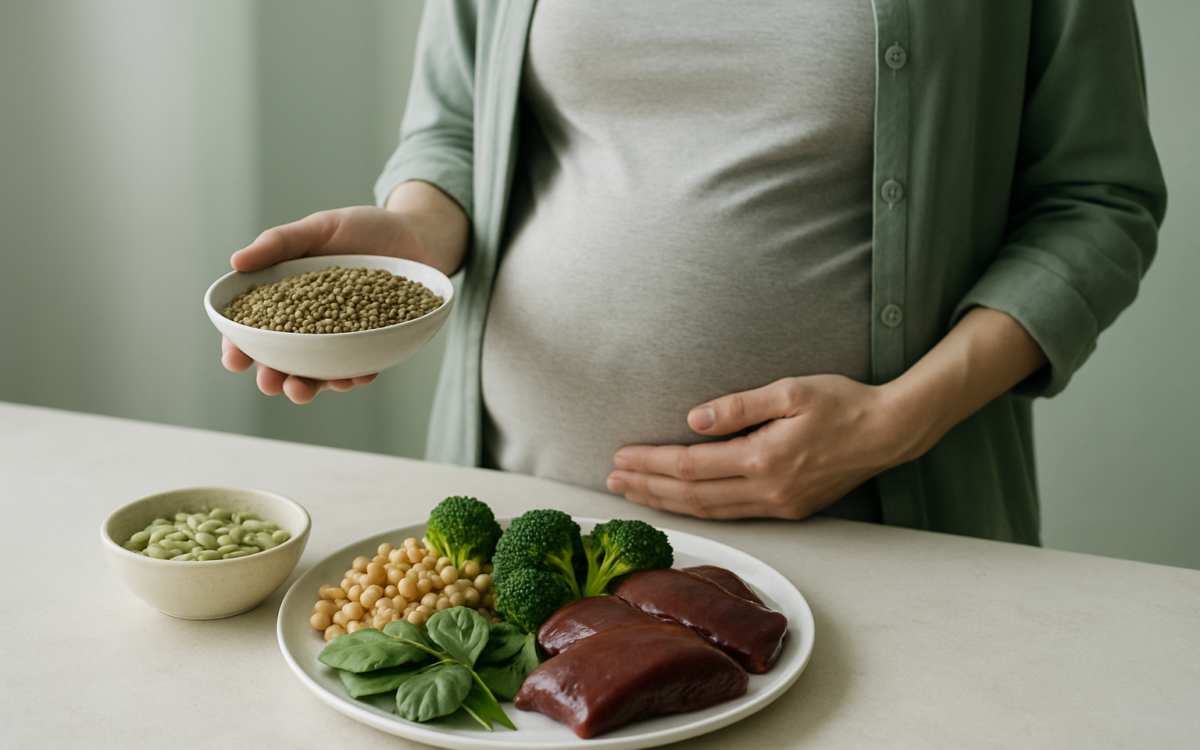
During pregnancy, your body undergoes numerous changes, and your nutritional needs become especially important. Among the various essential nutrients, iron plays a critical role in supporting both your health and that of your developing baby. It helps transport oxygen in the blood, support cellular function, and contribute to the development of the placenta. Ensuring you have enough iron in your diet is vital during this time.
Understanding Iron’s Importance in Pregnancy
Iron is a mineral that your body needs to produce hemoglobin, the protein in red blood cells that carries oxygen throughout your body. During pregnancy, your iron requirements increase significantly because you are not only supplying your own body but also that of your growing baby. The increased volume of blood and the needs of the fetus mean that pregnant women require about 27 milligrams of iron daily, significantly more than non-pregnant women, who need about 18 milligrams per day, according to the National Institutes of Health.
Top Sources of Iron for Expecting Mothers
When it comes to maintaining adequate iron levels, incorporating iron-rich foods into your diet is crucial. Here are some excellent sources of iron that can help nourish you and your baby:
1. Lean Red Meat
Beef, lamb, and pork are some of the best sources of heme iron, which is more readily absorbed by the body compared to non-heme iron found in plant foods. A 3-ounce serving of cooked lean beef can provide around 2-3 milligrams of iron. Try to include red meat in your diet a couple of times a week, if your dietary preferences allow.
2. Poultry and Fish
Poultry such as chicken and turkey also provide heme iron, albeit in smaller amounts than red meat. A 3-ounce serving of chicken can supply approximately 1 milligram of iron. Fish is another excellent option; options like salmon can offer health benefits alongside a moderate amount of iron. Remember to focus on lower-mercury fish during pregnancy.
3. Beans and Legumes
For vegetarians and vegans, beans and legumes are fantastic sources of non-heme iron. Options like lentils, chickpeas, black beans, and kidney beans are all rich in iron. A cup of cooked lentils can contain around 6.5 milligrams of iron, making them a great addition to soups, stews, and salads.
4. Dark Leafy Greens
Vegetables like spinach, kale, and Swiss chard provide not only iron but also key vitamins and minerals. A cup of cooked spinach contains about 6.4 milligrams of iron. Pair dark leafy greens with vitamin C-rich foods, such as tomatoes or oranges, to enhance iron absorption.
5. Nuts and Seeds
Nuts and seeds are also good sources of non-heme iron. Pumpkin seeds, cashews, and almonds can be enjoyed as snacks or added to meals. A quarter-cup of pumpkin seeds can yield around 7 milligrams of iron, a tasty way to boost your intake.
6. Fortified Foods
Many cereals and grains are fortified with iron. Look for whole grain options that have added iron. These can often provide a significant portion of your daily requirement. Just check the nutrition label to ensure you’re choosing products rich in this important mineral.
Enhancing Iron Absorption
It’s essential to understand that not all dietary iron is created equal. The body absorbs heme iron better than non-heme iron. To enhance the absorption of non-heme iron, it’s advisable to combine these foods with sources of vitamin C, such as citrus fruits, strawberries, and bell peppers. Avoid consuming coffee or tea with meals, as these beverages can inhibit iron absorption.
Potential Risks of Iron Deficiency
Iron deficiency during pregnancy can lead to anemia, which may cause fatigue, weakness, and complications during delivery. Severe deficiency can also increase the risk of premature birth or low birth weight. Regular check-ups with your healthcare provider can confirm whether you have adequate iron levels through blood tests. Monitoring your iron intake can help ensure a healthy pregnancy.
When to See a Doctor
If you suspect that you might be experiencing signs of iron deficiency, such as unusual fatigue, pale skin, or shortness of breath, it’s important to consult your healthcare provider. They can recommend appropriate tests and dietary adjustments based on your individual needs.
Pregnancy is a beautiful journey, and ensuring you consume enough iron-rich foods is a key step in supporting your health and the health of your baby. Keep your meals varied and colorful, and you’ll be on your way to meeting your dietary needs!
