
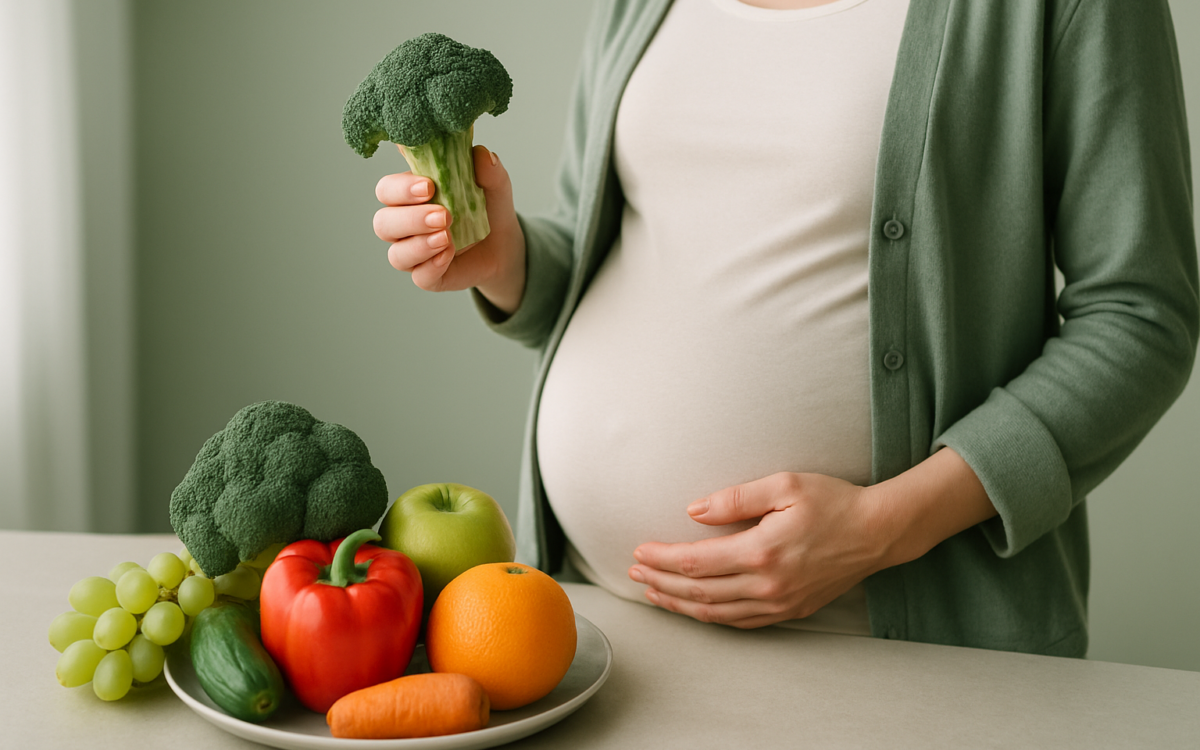
Pregnancy is a special time when nurturing your body and the baby growing inside you becomes a top priority. One of the best ways to support this journey is through a vibrant, well-balanced diet rich in fruits and vegetables. Not only do they provide essential nutrients that can benefit both you and your baby, but they also help manage common pregnancy symptoms. Let’s explore some of the best fruits and veggies to include in your pregnancy diet, their nutritional benefits, and tips for making them a delicious part of your routine.
The Nutritional Power of Fruits and Vegetables
Fruits and vegetables are packed with vitamins, minerals, and antioxidants that are crucial during pregnancy. They help in the development of the baby and can also mitigate pregnancy-related issues such as constipation and fatigue.
According to the National Heart, Lung, and Blood Institute, eating a wide variety of colorful produce ensures you get a broad spectrum of nutrients. For example, orange and yellow fruits and vegetables are often rich in vitamin A, which is important for fetal development, while leafy greens are known for their high folate content, essential for DNA synthesis and cell growth.
Top Fruits for Expecting Mothers
1. Berries
Berries, such as strawberries, blueberries, and raspberries, are nutritional powerhouses. They are high in antioxidants, which help protect your cells from oxidative stress. Additionally, berries are rich in vitamin C, aiding in iron absorption and the development of your baby’s immune system.
2. Bananas
Bananas are an excellent source of potassium, which is crucial for maintaining fluid balance and regulating blood pressure. They are also rich in vitamin B6, which can help alleviate nausea, especially during the first trimester.
3. Apples
Rich in fiber and vitamin C, apples can help with digestion and keep you feeling full. The fiber content is particularly beneficial in preventing the constipation that is common during pregnancy.
Essential Vegetables for a Healthy Pregnancy
1. Leafy Greens
Leafy greens like spinach, kale, and swiss chard are packed with folate, calcium, and iron. Folate is crucial for preventing neural tube defects in the developing baby. Additionally, these vegetables are low in calories and high in nutrients, making them an excellent addition to any meal.
2. Carrots
Carrots are a great source of beta-carotene, which the body converts into vitamin A. This vitamin is vital for the development of your baby’s eyes and skin. Carrots are versatile and can be enjoyed raw, steamed, or blended into smoothies.
3. Bell Peppers
Bell peppers are loaded with vitamins A and C, along with antioxidants. Their vibrant colors can bring a fun twist to your meals, and they can be added to salads, stir-fries, or eaten as a crunchy snack.
Incorporating Fruits and Vegetables into Your Diet
Getting enough fruits and vegetables during pregnancy doesn’t have to be a chore. Here are some tips to help you enjoy a variety of produce:
- Smoothies: Blend your favorite fruits and greens into a delicious smoothie for a quick meal or snack.
- Snacks: Keep fresh fruits and cut-up vegetables on hand for easy snacking. Hummus or yogurt can make healthy dips.
- Vegetable Soups: A warm soup or stew can be a comforting way to consume a variety of vegetables.
- Salads: Experiment with different ingredients in salads. Add nuts, seeds, or a light dressing to enhance flavors.
Health Considerations
While fruits and vegetables are essential for a healthy pregnancy, it’s important to handle them safely. Always wash fresh produce thoroughly to remove pesticides and germs. If you’re not sure about the safety of certain foods, consult your healthcare provider.
Some women may also be concerned about foodborne illness during pregnancy. The CDC provides guidelines on how to safely consume fruits and veggies, emphasizing that cooking certain vegetables can help eliminate harmful bacteria.
When to See a Doctor
If you experience severe nausea, prolonged vomiting, significant changes in appetite, or any unusual symptoms related to your diet during your pregnancy, consult your healthcare provider. It’s important to ensure you are getting the necessary nutrients and to address any concerns promptly.
Conclusion
Eating a variety of fruits and vegetables during pregnancy benefits both you and your developing baby. They are not only delicious but also provide crucial nutrients that support healthy growth and development. Remember to incorporate different colors and types of produce into your meals for the best nutritional benefits. Always consult with your doctor if you have questions about dietary changes or specific nutritional needs during your pregnancy.
