
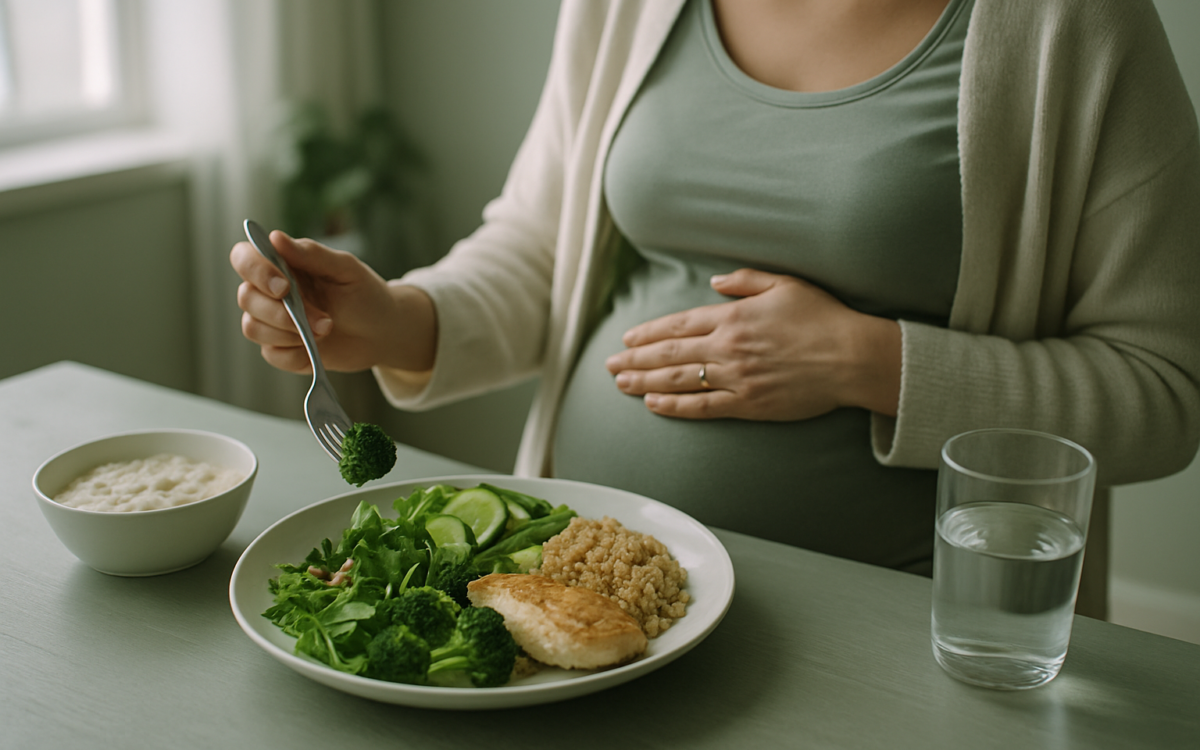
<pPregnancy is a beautiful journey filled with anticipation and change. One of the most significant aspects of this journey is nutrition. Eating well during pregnancy isn't just about satisfying cravings; it's about fueling your body and supporting your growing baby. With the right meals, you can ensure both you and your child get the essential nutrients needed for healthy development. In this article, we’ll explore healthy pregnancy meals that are delicious, nourishing, and straightforward to prepare.
Understanding Nutritional Needs During Pregnancy
<pDuring pregnancy, your body undergoes many changes, and so do your nutritional needs. It's vital to consume a variety of nutrients, including:
- Folic Acid: Essential for the development of the neural tube and the prevention of neural tube defects.
- Iron: Supports increased blood volume and is vital for your baby’s growth.
- Calcium: Necessary for the development of strong bones and teeth.
- Protein: Crucial for the growth of your baby’s cells and tissues.
- Omega-3 Fatty Acids: Important for brain development.
<pFor a comprehensive overview of nutritional needs during pregnancy, you can refer to resources from the World Health Organization.
Building Balanced Meals
<pA balanced meal during pregnancy typically includes components from all major food groups. Here’s how to create nourishing meals:
- Fruits and Vegetables: Aim for a rainbow of colors. Dark leafy greens like spinach are excellent sources of iron and folic acid.
- Whole Grains: Whole grain bread, brown rice, and quinoa provide energy and fiber, helping to prevent constipation.
- Lean Proteins: Incorporate chicken, fish, tofu, and legumes. Fish like salmon is rich in omega-3 fatty acids.
- Dairy: Opt for low-fat milk, yogurt, or cheese for calcium and protein.
<pStrive for at least three meals and two healthy snacks every day to keep your energy levels stable.
Easy Healthy Pregnancy Meal Ideas
<pHere are some simple meal ideas to get you started:
Breakfast
- Oatmeal with Fruit: Cook oats with milk or water and top with berries and a sprinkle of nuts for added protein.
- Greek Yogurt Parfait: Layer Greek yogurt with granola and sliced bananas or peaches.
- Vegetable Omelette: Whip up eggs with spinach, tomatoes, and cheese for a protein-packed breakfast.
Lunch
- Quinoa Salad: Mix cooked quinoa with black beans, corn, diced bell pepper, and avocado for a filling meal.
- Whole Grain Wrap: Fill a whole grain wrap with turkey, spinach, and hummus.
- Lentil Soup: Serve a hearty bowl of lentil soup alongside whole-grain bread.
Dinner
- Baked Salmon: Serve with roasted sweet potatoes and steamed broccoli.
- Stir-Fried Tofu and Vegetables: Quick stir-fry tofu with seasonal vegetables and brown rice.
- Chicken and Vegetable Curry: Use coconut milk and plenty of spices for a flavorful dish.
Snacks
- Nuts and Dried Fruit: A handful of almonds and a few dried apricots make a satisfying snack.
- Fruit and Nut Butter: Apple slices with almond or peanut butter offer a great protein boost.
- Veggies and Hummus: Slice carrots, cucumbers, and bell peppers for dipping into hummus.
Staying Hydrated
<pDrinking enough fluids is crucial during pregnancy. Water is the best choice, but you can also hydrate with herbal teas or infused water. Aim for at least 8-10 cups of fluids per day, paying attention to your body's thirst cues.
Foods to Avoid
<pWhile there are many delicious foods to embrace, it's equally important to know what to limit or avoid. Here’s a quick list:
- High-mercury Fish: Avoid shark, swordfish, and king mackerel due to high mercury levels.
- Raw or Undercooked Meat: Always cook meat thoroughly to reduce the risk of foodborne illness.
- Unpasteurized Dairy: These can harbor harmful bacteria that could affect both you and your baby.
<pFor more detailed guidelines on food safety during pregnancy, check resources from the CDC.
When to See a Doctor
<pIf you have any concerns about your diet during pregnancy or experience symptoms like severe nausea, vomiting, or significant weight loss, it’s essential to consult your healthcare provider. Communication with your doctor will help ensure both your health and the health of your baby.
<pIn conclusion, healthy pregnancy meals are all about balance and variety. By focusing on nutrient-rich foods and staying hydrated, you’ll support not only your well-being but also that of your growing baby. Enjoy this special time by embracing culinary creativity, and remember to consult a healthcare professional for personalized advice.
