
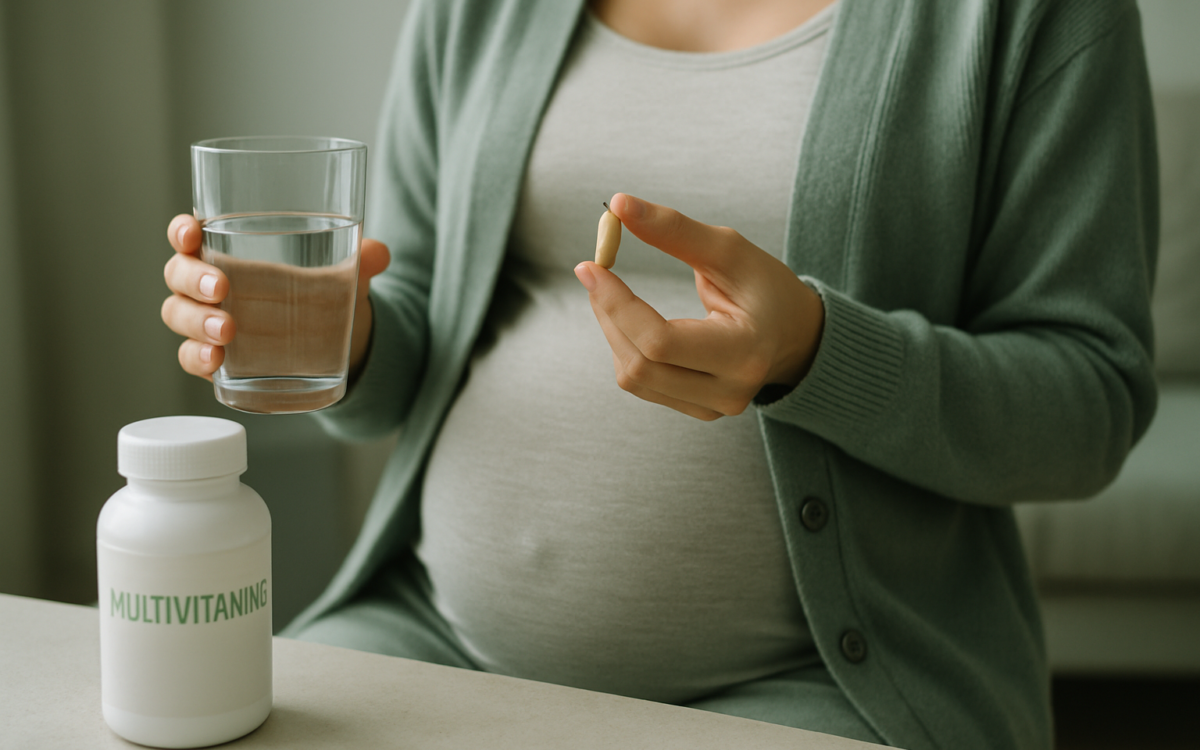
Pregnancy is an exciting time full of changes, but it also comes with many responsibilities, particularly regarding health. One critical aspect of staying healthy during pregnancy is ensuring you have the necessary nutrients. Multivitamins can play a pivotal role in supporting both maternal and fetal well-being. This article will explore the importance of multivitamins during pregnancy, the specific nutrients they should contain, when to start taking them, and other essential considerations.
Why multivitamins are important during pregnancy
During pregnancy, a woman’s body undergoes numerous changes, requiring increased intake of several vitamins and minerals. The growing fetus requires specific nutrients for proper development, and multivitamins can help ensure that both mother and baby get what they need.
Research has shown that certain nutrients, like folic acid and iron, can decrease the risk of complications during pregnancy. For instance, folic acid is vital for preventing neural tube defects, which can affect the brain and spinal cord of the developing baby. Regular intake of a multivitamin can provide a convenient way for pregnant women to meet their nutritional needs.
Key nutrients found in multivitamins for pregnancy
While every multivitamin can vary in composition, there are several key nutrients that pregnant women should pay attention to:
- Folic Acid: Essential for fetal development and critical for reducing the risk of brain and spinal cord defects.
- Iron: Supports blood production, helping both mom and baby get enough oxygen.
- Calcium: Important for building the baby’s bones and teeth. It also helps maintain the mother’s bone density.
- Vitamin D: Supports calcium absorption and is essential for bone health.
- Iodine: Vital for proper brain development and thyroid function.
These nutrients are crucial for both health and development. Many prenatal multivitamins contain these ingredients in the amounts recommended for pregnant women.
When to start taking multivitamins
It’s typically recommended to start taking a prenatal multivitamin before conception and continue through pregnancy and breastfeeding. This is because nutrient needs increase even before pregnancy. Many health practitioners suggest that couples planning to conceive start taking a multivitamin with folic acid at least three months prior to conception.
After conception, it’s still advisable to continue taking the multivitamin throughout pregnancy to ensure that both the mother and baby receive adequate nutrients.
Choosing the right multivitamin
With so many products on the market, it can be overwhelming to choose the right multivitamin. Here are some tips to help you make an informed decision:
- Consult your healthcare provider: Always discuss with your doctor or healthcare provider before starting any new supplement, especially during pregnancy.
- Look for the essentials: Ensure the multivitamin contains appropriate levels of key nutrients like folic acid, iron, and calcium.
- Avoid excess: Be cautious of multivitamins that contain overly high doses of certain nutrients, as they could potentially cause harm.
Your healthcare provider may recommend specific brands or formulations based on your individual health needs, dietary habits, and any underlying conditions.
Diet is still important
While multivitamins supplement the diet, they shouldn’t replace healthy foods. A well-rounded diet rich in fruits, vegetables, whole grains, lean proteins, and healthy fats is still crucial during pregnancy. Foods provide a complex array of nutrients that supplements can’t fully replicate.
Incorporating nutrient-dense foods into your daily meals can enhance the benefits of multivitamins and contribute to a healthier pregnancy overall. It’s essential to focus on eating plenty of colorful fruits and vegetables, protein sources, and whole grains.
Potential risks and side effects
While multivitamins are generally safe, there are some potential side effects to be aware of:
- Nausea: Some women may experience nausea, especially if they take multivitamins on an empty stomach.
- Constipation: Iron-containing supplements can lead to constipation, a common issue during pregnancy.
- Allergic reactions: Though rare, some women may be allergic to certain ingredients in multivitamins.
If you experience any side effects or have concerns about your prenatal multivitamin, consult your healthcare provider. They can help find the best solution for your individual needs and ensure safety for both you and your baby.
When to see a doctor
Consult your healthcare provider if you:
- Have questions about the best multivitamin for you.
- Experience side effects from taking a multivitamin.
- Need help navigating dietary changes during pregnancy.
Your doctor can provide guidance tailored to your specific health situation and help ensure you and your baby receive optimal nutrition during this important time.
In summary, while multivitamins play an essential role in supporting maternal and fetal health during pregnancy, they should be viewed as a complement to a balanced diet. Always consult your healthcare provider before starting any supplements to ensure you’re making the best choices for you and your growing baby.
