
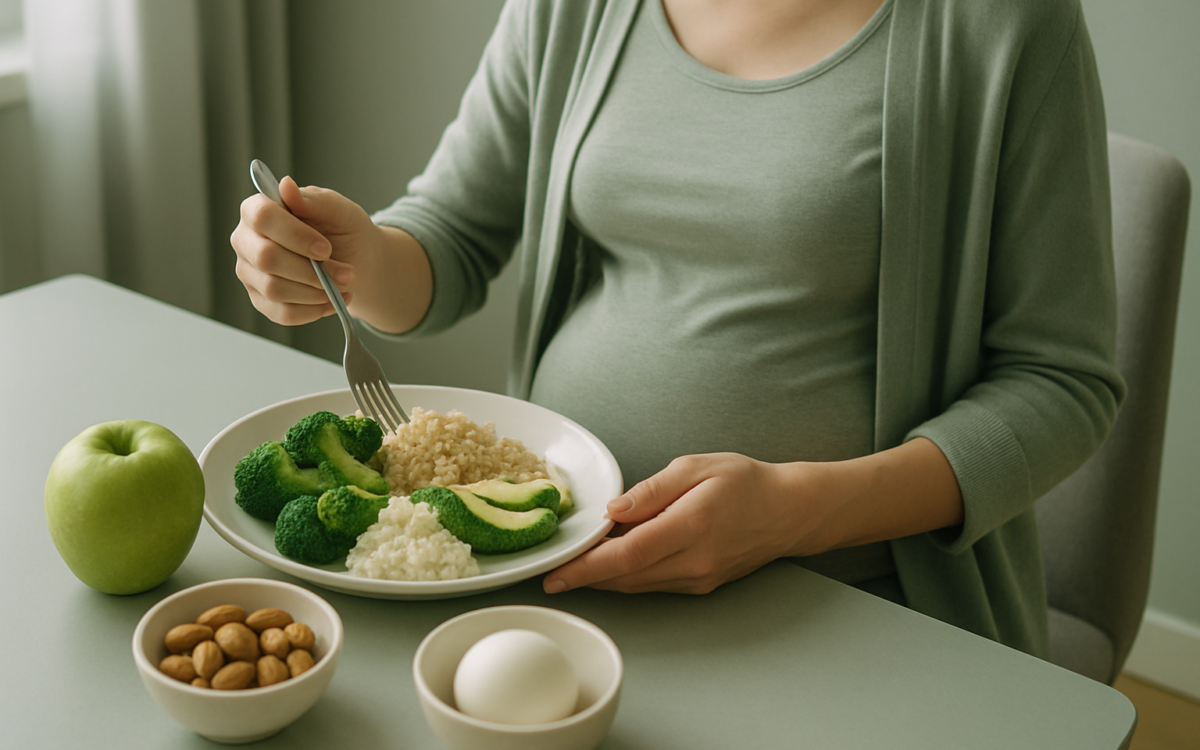
Pregnancy is a time of incredible change in a woman’s life, bringing new joys and challenges. One of the most important aspects of this journey is the food you eat. Proper nutrition during pregnancy not only supports your health but also lays the foundation for your baby’s development. Understanding what to eat and which foods to limit can seem overwhelming, but with the right guidance, you can make nourishing choices.
The Importance of a Balanced Diet
A balanced diet during pregnancy ensures that both you and your baby receive the essential nutrients needed for growth and development. A well-rounded diet should include a variety of foods rich in vitamins, minerals, fiber, and healthy fats. Aim for colorful plates that represent different food groups for optimal nutrition.
Key Nutrients for Pregnancy
Here are some key nutrients to focus on during pregnancy, along with food sources:
- Folic Acid: Vital in preventing neural tube defects in your baby, folic acid can be found in leafy green vegetables, nuts, beans, and fortified cereals. The CDC recommends women consume 400 micrograms of folic acid daily before conception and during early pregnancy.
- Iron: Iron supports your blood volume and helps carry oxygen to your baby. Sources include lean red meat, poultry, fish, beans, and fortified cereals. Pregnancy increases the need for iron, so consider discussing supplementation options with your doctor.
- Calcium: Essential for developing your baby’s bones and teeth, calcium can be found in dairy products, leafy greens, and fortified plant-based milks. The recommended daily intake of calcium during pregnancy is about 1,000 mg.
- Omega-3 Fatty Acids: Important for brain development, these healthy fats can be found in fatty fish (like salmon), walnuts, and flaxseeds. Aim to include omega-3s in your diet for optimal fetal development.
- Vitamin D: Essential for bone health, vitamin D can be obtained from fatty fish, egg yolks, and exposure to sunlight. Supplementation may be necessary if you have low levels, so consult your healthcare provider.
Foods to Include in Your Diet
Having a variety of foods in your diet can not only help meet your nutritional needs but also keep meals interesting. Here are some recommended food groups to focus on:
1. Fruits and Vegetables
Incorporate at least five servings of fruits and vegetables daily. These foods are packed with essential vitamins, minerals, and fiber that are important for digestion and overall health. Try adding smoothies, salads, and fresh snacks to your daily meals.
2. Whole Grains
Opt for whole grains like brown rice, quinoa, oats, and whole wheat bread. These foods provide energy and are a good source of fiber, which can help reduce pregnancy-related constipation.
3. Protein Sources
Your body needs extra protein during pregnancy to support new tissue growth. Include lean meats, poultry, fish, eggs, beans, and nuts in your meals. Consider plant-based proteins if you’re looking to reduce meat intake.
4. Dairy or Alternatives
Dairy products are a great source of calcium, protein, and vitamin D. If you’re lactose intolerant or prefer non-dairy options, fortified plant-based milks can also provide these nutrients.
Foods to Limit or Avoid
While there are many nutritious foods to include, there are also some that should be limited or avoided during pregnancy:
- Raw or undercooked seafood, meat, and eggs: These can lead to foodborne illnesses that can harm both you and your baby. Always cook food to recommended temperatures.
- Certain fish high in mercury: Fish like shark, swordfish, and king mackerel can have high mercury levels, which can impact fetal development. Opt for safer choices like salmon and sardines.
- Caffeine: High levels of caffeine during pregnancy are linked to an increased risk of miscarriage and low birth weight. Limit caffeine intake to about 200 mg per day, roughly one 12-ounce cup of coffee.
- Alcohol: There is no safe amount of alcohol during pregnancy. Avoid alcohol completely to eliminate risks of developmental problems in your baby.
Hydration: The Often-Overlooked Factor
Staying hydrated is crucial during pregnancy. Water supports increased blood volume, aids digestion, and can help prevent swelling and constipation. Aim to drink plenty of water throughout the day. If you’re feeling overheated or experiencing nausea, your hydration needs may increase.
Meal Planning Tips
To create a pregnancy-friendly diet, consider some meal planning strategies:
- Plan Ahead: Prepare meals in advance to ensure you’re eating balanced meals even on your busiest days.
- Keep Healthy Snacks Accessible: Keep nutritious snacks such as nuts, yogurt, or cut-up fruits and vegetables handy to avoid unhealthy choices.
- Listen to Your Body: Pregnancy can bring cravings, but it’s also important to listen to your body’s hunger cues. Eating smaller, more frequent meals can help manage appetite and nausea.
When to See a Doctor
If you have specific dietary concerns, experience unusual cravings or aversions, or have medical conditions that may affect your diet, it’s essential to consult with your healthcare provider. They can guide you in making dietary choices that support both your health and your baby’s development.
Conclusion
Navigating what to eat during pregnancy can be challenging, but it’s also a rewarding opportunity to nourish both yourself and your baby. By focusing on a balanced diet rich in essential nutrients, bringing variety to your meals, and avoiding certain potentially harmful foods, you can support a healthy pregnancy. Remember, it’s always best to discuss any dietary changes with your healthcare provider to ensure the best outcomes for you and your baby.
