
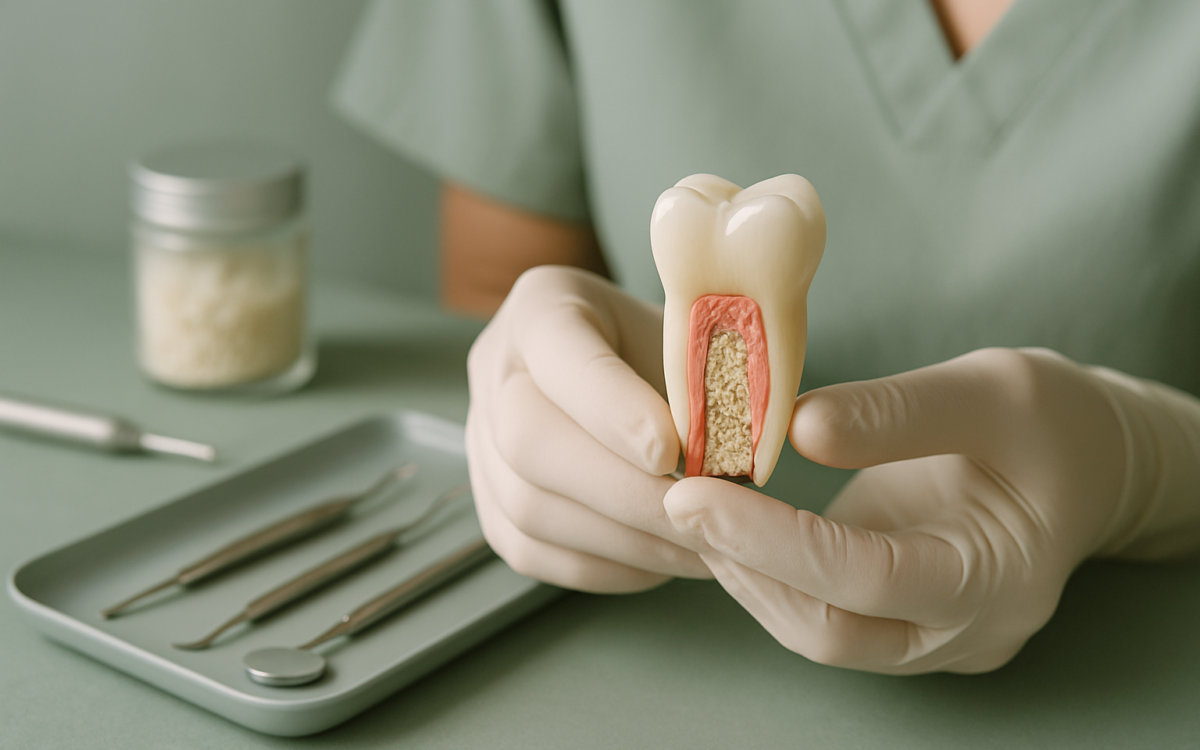
When a tooth is lost or needs to be extracted, the surrounding bone may not be strong enough to support a replacement tooth, such as a dental implant. In such cases, a bone graft may be necessary to create a solid base for the new tooth. This article will explore what bone grafts are, their types, benefits, procedures, recovery, and when to seek professional care.
What is a Bone Graft?
A bone graft is a surgical procedure where new bone material is added to, or replaces, bone that has been lost or damaged. In dental situations, this is specifically important when preparing for implants. The graft provides the needed structure, allowing for proper healing and integration with existing bone.
Why Are Bone Grafts Necessary?
Bone grafts are often needed for several reasons, especially in dental procedures:
- Tooth Loss: When a tooth is lost, the bone underneath can deteriorate, losing density and volume. Bone grafts help restore this.
- Tooth Extraction: Following an extraction, it’s common for the surrounding bone to weaken. A graft can stabilize the area and promote healing.
- Implants Support: If you want dental implants but lack sufficient bone, a graft prepares the site for these permanent fixtures.
Types of Bone Grafts
There are several types of bone grafts commonly used in dental procedures:
- Autograft: This involves taking bone from another part of the patient’s body, such as the hip or jaw. It is the most effective because the body is less likely to reject its own tissue.
- Allograft: Bone from a deceased donor or human tissue bank is used. This bone is processed and sterilized for safety.
- Xenograft: This is derived from animal sources, typically bovine. It serves as a scaffold for new bone growth.
- Synthetic Graft: Materials created in a lab, often using biocompatible substances, are used to stimulate bone growth.
The Bone Grafting Procedure
The process of receiving a bone graft typically involves several steps:
- Consultation: A dental specialist will evaluate your mouth and take imaging tests to determine the need for a graft.
- Anesthesia: Local anesthesia is usually administered to numb the area. Sedation options may also be discussed.
- Placement: The dentist will create a small incision in the gum to expose the jawbone and add the graft material.
- Closure: After placing the graft, the gum tissue is closed with stitches to promote healing.
Recovery After Bone Grafting
After the graft, it’s essential to follow care instructions to ensure proper healing:
- Follow-Up Visits: Regular check-ups will be necessary to monitor the healing process and the integration of the graft.
- Pain Management: Some discomfort and swelling are expected, which can be managed with over-the-counter pain medications.
- Dietary Changes: Soft foods are often recommended for the initial healing phase to avoid putting pressure on the graft site.
Full healing can take several months, and your dentist will likely schedule follow-up procedures to monitor the graft’s success and determine when you can proceed with tooth replacement, such as dental implants.
Potential Risks and Complications
While bone grafting is generally safe, there are some risks involved:
- Infection: There is a risk of infection at the graft site, which can affect healing.
- Rejection or Failure: Sometimes, the body may not accept the graft, or it may fail to integrate with the existing bone.
- Bleeding or Pain: As with any surgical procedure, excessive bleeding or pain may occur.
Discuss these potential complications with your dentist during your consultation.
When to See a Doctor
If you experience unusual symptoms after a bone graft, such as severe pain, persistent swelling, or any signs of infection like fever, you should seek medical attention promptly.
Conclusion
Bone grafts can be a critical step in ensuring the success of tooth replacement options like dental implants. Understanding the types, procedures, benefits, and potential risks can help you make informed decisions about your dental health. Always consult with a dental professional for personalized advice and to address any concerns you may have.
