
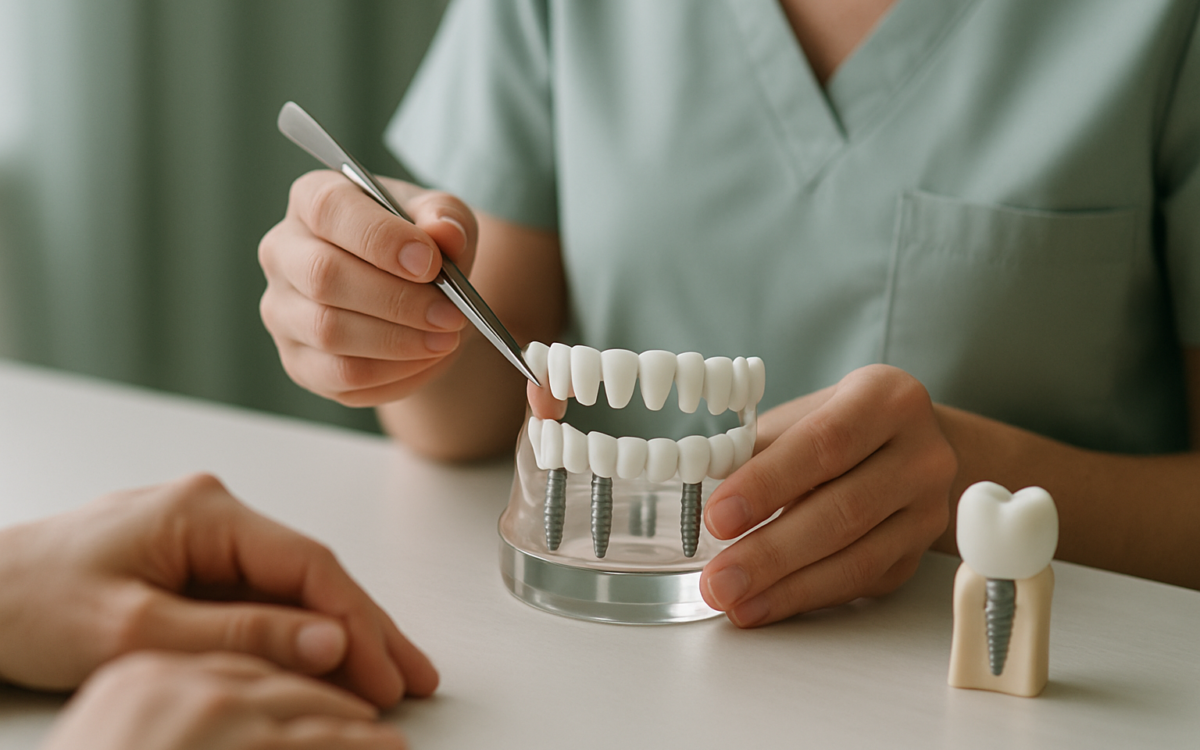
For many people, losing a tooth can be a distressing experience, impacting both their smile and self-confidence. Fortunately, complete dental implants offer a reliable solution that not only restores functionality but also enhances aesthetics. Whether you are missing a single tooth or several, dental implants may be the answer you’ve been looking for.
What Are Complete Dental Implants?
Complete dental implants are artificial roots made of biocompatible materials, typically titanium, that are surgically placed into the jawbone. Once the implants are integrated with the bone, they serve as a sturdy foundation for prosthetic teeth. This procedure is a common choice for individuals with missing teeth due to injury, decay, or other oral health issues.
Benefits of Complete Dental Implants
Choosing complete dental implants comes with numerous benefits:
- Natural Appearance: Implants mimic the appearance of natural teeth, helping to restore your smile.
- Enhanced Functionality: Unlike dentures, implants are fixed in place, allowing for easier chewing and speaking.
- Durability: With proper care, dental implants can last many years, often a lifetime.
- Bone Health: Implants help maintain bone density by stimulating the jawbone, which is crucial after tooth loss.
The Complete Dental Implant Procedure
The process of getting complete dental implants typically occurs in several stages:
1. Consultation and Planning
Your journey starts with a consultation with your dentist or oral surgeon to assess your oral health and discuss your options. Imaging tests, like X-rays or CT scans, may be required to evaluate bone structure and determine the best approach.
2. Implant Placement
In the next step, the dental implant is surgically placed into the jawbone. This procedure is usually performed under local anesthesia, and recovery time varies from person to person. Most patients can return to normal activities within a few days.
3. Osseointegration
During this healing period, which can take several months, the implant fuses with the jawbone. This process, known as osseointegration, is vital for the stability of the implant.
4. Abutment Placement
Once healing is complete, an abutment is placed on the implant. This small connector holds the replacement tooth or crown in place.
5. Crown Attachment
Finally, a custom-made crown is attached to the abutment, completing your new smile.
Post-Procedure Care
After receiving complete dental implants, following proper care is crucial for their longevity. Here are essential tips:
- Maintain good oral hygiene by brushing and flossing daily.
- Schedule regular dental check-ups for professional cleanings.
- Avoid hard foods that can damage the implant.
- Quit smoking, as it can hinder healing and success rates.
Considering International Treatment Options
For some, dental implants can be a significant financial investment. If you are considering treatment abroad, it’s essential to research and understand the local healthcare landscape. For example, Acibadem International offers comprehensive dental services in several countries, often at a lower cost than in the United States without compromising quality.
Potential Risks and Complications
As with any surgical procedure, complete dental implants come with some risks. These may include:
- Infection at the implant site
- Injury to surrounding structures
- Nerve damage, leading to pain or numbness
- Sinus issues, in cases where implants are placed in the upper jaw
Most complications are rare, but it’s crucial to be aware of them to discuss any concerns with your dental professional.
When to See a Doctor
If you experience any unusual symptoms after getting dental implants, such as prolonged pain, swelling, or signs of infection like fever, contact your dentist promptly for an evaluation.
In summary, complete dental implants can significantly enhance your quality of life by restoring your smile and the functionality of your teeth. By understanding the procedure, benefits, and care involved, you can make an informed decision about your dental health. Be sure to consult your dentist to explore the best options tailored to your needs.
