
Dental implants have transformed restorative dentistry, offering a permanent solution for missing teeth. These titanium posts serve as artificial roots, providing strength and stability. However, like any dental procedure, complications can arise, necessitating dental implant repair. Understanding the common problems, treatment options, and maintenance can help you keep your smile healthy for years to come.
What Is a Dental Implant?
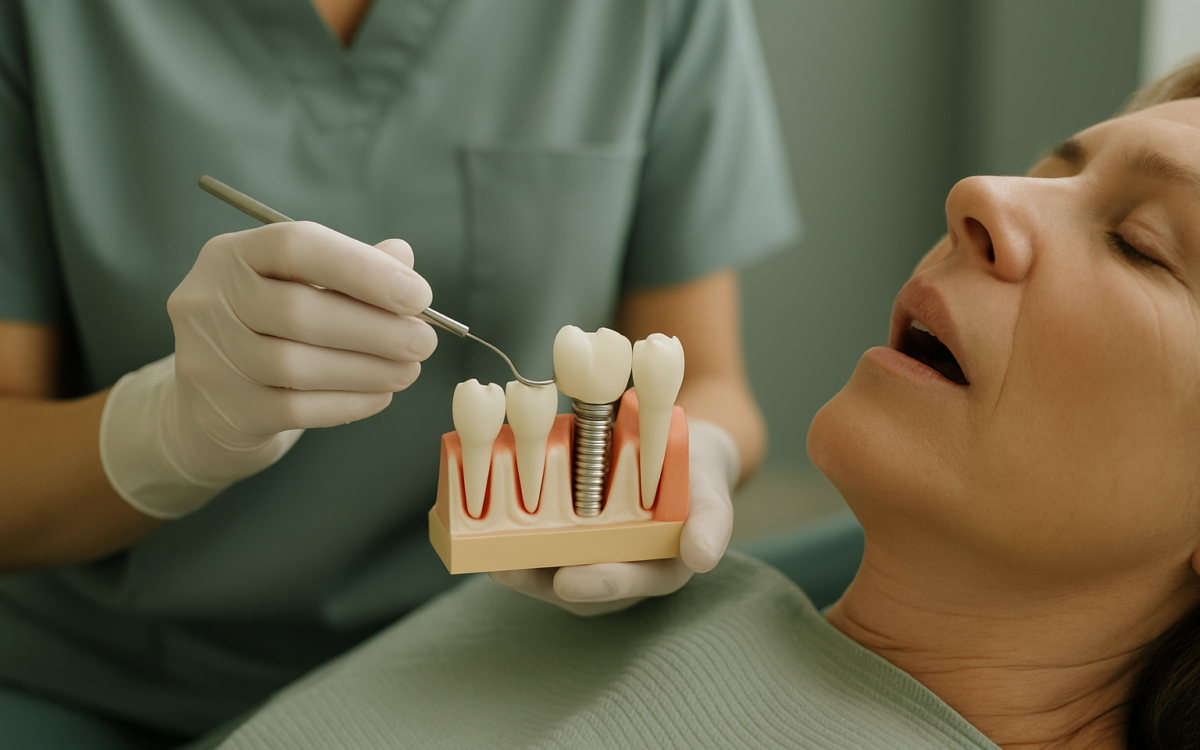
A dental implant is a small titanium screw that serves as a replacement for the root of a missing tooth. They are surgically placed into the jawbone, where they integrate with the bone over time in a process called osseointegration. Once secure, an artificial tooth, or crown, is attached to this post, restoring function and aesthetics. This can greatly enhance your ability to chew and improve your smile.
Common Issues with Dental Implants
While dental implants are generally safe and effective, they are not immune to problems. Here are some common issues that may require repair:
- Loose Implants: Over time, some implants may become loose due to insufficient bone integration, excessive biting force, or infection.
- Infection: Peri-implantitis is a bacterial infection that affects the tissues surrounding the implant, potentially leading to bone loss.
- Fractured Crown: The crown can crack or chip, necessitating replacement.
- Gum Recession: Gum tissue may recede over time, exposing parts of the implant, which can cause aesthetic issues and increase the risk of infection.
Diagnosing Implant Issues
If you notice any signs of trouble, such as pain, swelling, or looseness in your dental implant, it’s crucial to consult your dentist. Diagnosis typically involves:
- A thorough medical history and discussion of symptoms.
- Clinical examination of the implant site.
- Dental X-rays to evaluate bone health and implant positioning.
Early diagnosis can be vital in managing the situation before it escalates into more serious complications.
Treatment Options for Dental Implant Repair
Depending on the issue, several treatment options exist:
1. Treating Loose Implants
If an implant is loose, the dentist may try to stabilize it through bone grafting or bone augmentation. In cases where the bone has significantly degraded, revision surgery may be necessary.
2. Addressing Infections
For infections like peri-implantitis, treatment typically includes:
- Non-surgical interventions such as scaling and root planing to remove bacteria and inflamed tissue.
- In some cases, surgical intervention may be necessary to clean infected areas and restore healthy gum tissue.
3. Crown Replacement
If the crown is damaged, the dentist can remove it and create a new one. This is often a straightforward process that restores function and appearance.
4. Gum Grafting
In severe cases of gum recession, gum grafting may be required to cover exposed implant parts and restore gum health around the implant.
Maintaining Dental Implants
<pMaintaining your dental implants is crucial to ensure their longevity and prevent complications. Here are some basic care tips:
- Practice Good Oral Hygiene: Brush and floss daily to remove plaque and avoid infection.
- Regular Dental Visits: See your dentist at least twice a year for professional cleanings and check-ups.
- Avoid Hard Foods: Be mindful of what you eat; hard foods can exert excessive force on implants.
- Quit Smoking: Smoking can negatively impact healing and implant success. If you smoke, consider seeking help to quit.
Psychological and Emotional Impact
Missing teeth can significantly affect your self-esteem and confidence. The prospect of dental implant repair might also lead to anxiety. It’s important to communicate openly with your dentist about any concerns or fears. Many people find comfort in knowing that they can restore their smiles with the right care and intervention.
When to See a Doctor
If you experience any of the following, it’s essential to visit your dentist:
- Persistent pain or swelling around the implant.
- Signs of infection such as pus, bad taste, or increased sensitivity.
- A noticeable change in the stability of the implant.
- Visible gaps or pockets around the implant that weren’t previously present.
Conclusion
Dental implants have revolutionized tooth replacement, but like any medical procedure, they require proper care and attention. Understanding potential complications and how to manage them can help you maintain your smile and overall oral health. Regular check-ups, good hygiene, and being vigilant about changes in your implants will ensure that your dental restoration lasts a lifetime. For more detailed information tailored to your personal health needs, always consult your healthcare provider.
