
A bright smile can brighten even the dullest day. But for those who have lost teeth, that smile might feel unreachable. Thankfully, implant restoration offers a way to rebuild your smile and regain oral health. This innovative dental solution not only aims to fill gaps left by missing teeth but also restores functionality, allowing you to enjoy your favorite foods and speak with confidence.
What Is Implant Restoration?
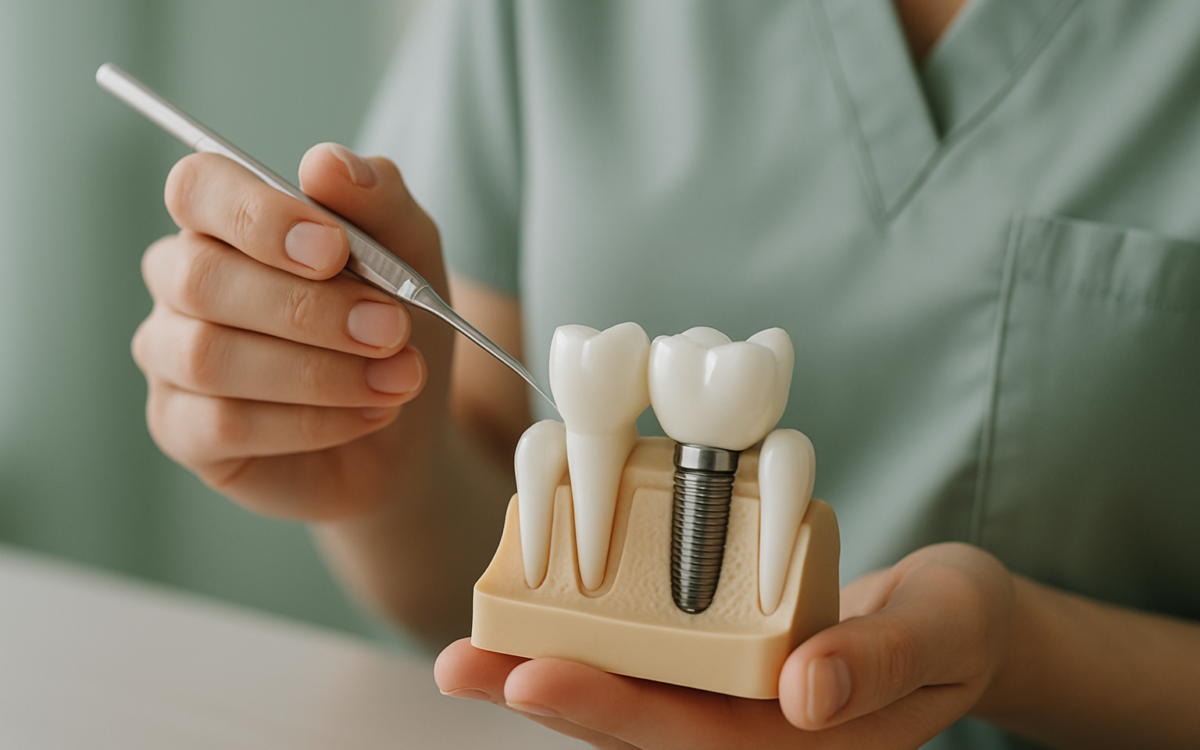
Implant restoration refers to the process of replacing missing teeth with dental implants. A dental implant is a titanium post that serves as a replacement root for a missing tooth. Once the implant is securely placed into the jawbone, a crown, bridge, or denture can be attached, completing the restoration. This method has gained popularity due to its durability and natural appearance.
Why Choose Implant Restoration?
There are several reasons why individuals might choose implant restoration:
- Natural Look and Feel: Dental implants are designed to look and function like your natural teeth.
- Durability: With proper care, implants can last a lifetime, making them a cost-effective solution over time.
- Bone Health: Implants can help prevent bone loss that often occurs after tooth loss.
- Improved Oral Health: Unlike traditional bridges, implants don’t require altering adjacent teeth.
The Implant Restoration Process
The implant restoration process usually involves multiple steps and can take several months to complete. Here’s what to expect:
1. Initial Consultation
Your journey begins with a consultation with a dental professional. They will examine your mouth and may take X-rays to assess your jawbone. This step is crucial in determining if you are a suitable candidate for dental implants.
2. Implant Placement
Once cleared for the procedure, the dental implant will be surgically placed into your jawbone. Following this, a healing period of a few months is necessary for the bone to integrate with the implant.
3. Abutment Placement
After the implant has healed and fused with the bone, an abutment is placed on top of the implant. The abutment acts as a connector between the implant and the crown.
4. Crown Placement
Finally, a custom-made crown is attached to the abutment. Your dental team will work to ensure that the crown matches the color and shape of your natural teeth.
Considerations for International Patients
For those considering implant restoration, location can play a significant role in the decision-making process. Many international patients travel abroad for dental procedures, looking for high-quality care at lower prices. Facilities like international patient services can help streamline the process, ensuring a seamless experience from consultation to aftercare.
Aftercare and Maintenance
Taking care of your dental implants is essential for their longevity. Here are some tips for maintaining your implants:
- Practice good oral hygiene by brushing and flossing regularly.
- Schedule regular dental check-ups to monitor your implants.
- Avoid hard or sticky foods that could damage your crown.
Common Concerns and Complications
Like any medical procedure, implant restoration may come with concerns. Some potential issues include:
- Infection: Infection can occur at the implant site during or after surgery, but is typically manageable with care.
- Implant Failure: In rare cases, the implant may not fuse properly with the bone, leading to failure.
- Bone Loss: If there isn’t enough healthy bone for the implant, additional procedures, like bone grafting, may be needed.
When to See a Doctor
If you experience prolonged discomfort, swelling, or any signs of infection—such as fever or pus around the implant site—it’s important to consult with your dentist. They can diagnose and treat any complications early on, ensuring the best outcome for your implant restoration.
In conclusion, implant restoration is a promising option for those looking to restore their smile after tooth loss. With advancements in dental technology, achieving a natural look and feel is more attainable than ever. Consult with a dental professional to explore if this option is right for you and take the first step toward reclaiming your confidence.
