
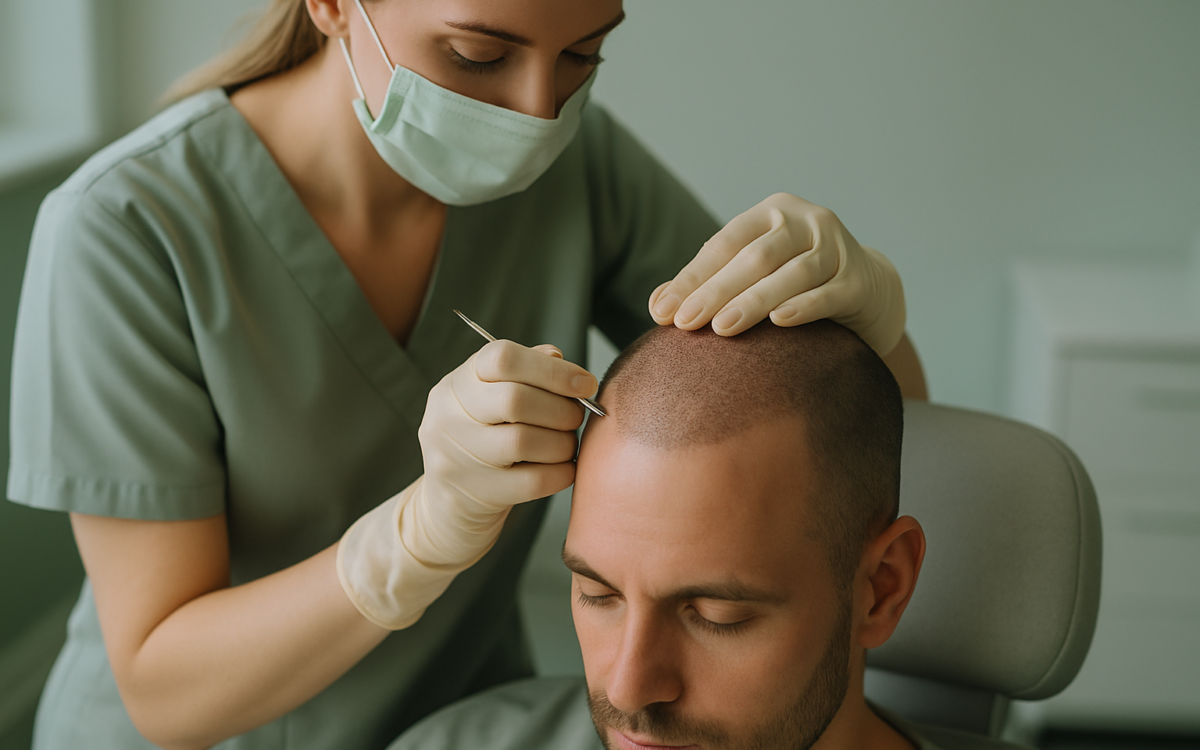
Hair loss can be a challenging experience for many, affecting self-esteem and confidence. Fortunately, hair transplants have emerged as a popular solution, providing long-lasting results for those looking to restore their mane. In this guide, we’ll dive into the different types of hair transplants, the best candidates for the procedure, what to expect before and after, and how to evaluate the best options available.
Understanding Hair Transplants
Hair transplants are surgical procedures where hair follicles are moved from a part of your body that has hair (called the donor site) to a bald or thinning area (the recipient site). Two of the most common techniques are:
- Follicular Unit Extraction (FUE): This method involves extracting individual hair follicles from the donor site. It is less invasive and results in minimal scarring.
- Follicular Unit Transplantation (FUT): This technique removes a strip of scalp from the donor site, which is then divided into individual follicular units. FUT can be more cost-effective for larger areas of baldness.
Who Are the Best Candidates for Hair Transplants?
Not everyone is a suitable candidate for a hair transplant. The ideal candidates generally include:
- Individuals with androgenetic alopecia: This common form of hair loss is often hereditary and affects both men and women.
- People in good overall health: Candidates should be free of medical conditions that could affect healing, such as uncontrolled diabetes or autoimmune disorders.
- Individuals with sufficient donor hair: Having enough healthy hair follicles in the donor site is crucial for a successful transplant.
Before undergoing the procedure, a thorough consultation with a healthcare provider specializing in hair restoration is essential.
What to Expect Before and After the Procedure
Going into a hair transplant procedure, it’s important to have realistic expectations. Here’s a breakdown of what typically happens:
Before the Procedure
Your doctor will assess your hair loss, discuss your goals, and recommend the best technique for you. They may advise you to:
- Stop taking certain medications.
- Avoid alcohol and smoking.
- Follow specific grooming instructions for the hair on your head.
After the Procedure
Post-transplant care is crucial for optimal results. You can expect:
- Some swelling and discomfort, which can usually be managed with over-the-counter pain medication.
- New hair growth within three to six months as the follicles settle in.
- A follow-up visit where your doctor checks your progress.
For the best experience, adhere to all aftercare guidelines provided by your medical team.
Evaluating Hair Transplant Clinics
Choosing the right clinic is key to achieving the best results. Look for the following when assessing hair transplant clinics:
- Experience: Investigate the expertise of the surgeons, their qualifications, and experience in performing hair transplants.
- Technology: The clinic should use the latest technology and techniques in hair restoration. FUE technology, for instance, has made great strides in the past few years.
- Reviews and testimonials: Check patient reviews and ask for before-and-after photos from previous clients.
- Consultation: A comprehensive pre-procedure consultation can give insight into the clinic’s approach and your options.
Some individuals choose to explore treatment in Turkey due to the availability of experienced surgeons and lower costs, but it’s essential to do thorough research.
Costs of Hair Transplants
The cost of hair transplants can vary widely based on several factors:
- Method Used: FUE usually costs more than FUT due to its minimally invasive nature.
- Extent of Hair Loss: More extensive baldness often requires more grafts, increasing the overall cost.
- Clinic Location: Prices can differ significantly depending on where you are located.
Insurance often does not cover hair transplant surgeries, so it’s crucial to confirm all costs upfront before proceeding.
When to See a Doctor
If you notice sudden or unusual hair loss, it’s wise to consult a healthcare provider. Early intervention can sometimes prevent further hair loss or lead to better outcomes after procedures. Additionally, if you experience any adverse effects after a transplant, such as excessive bleeding or infection, seek medical help immediately.
Conclusion
Finding the best hair transplant for your needs involves understanding the available options, knowing what to expect, and choosing the right clinic. All these factors contribute to a successful hair restoration journey. Consult with professionals to determine the best path forward for your hair health.
