
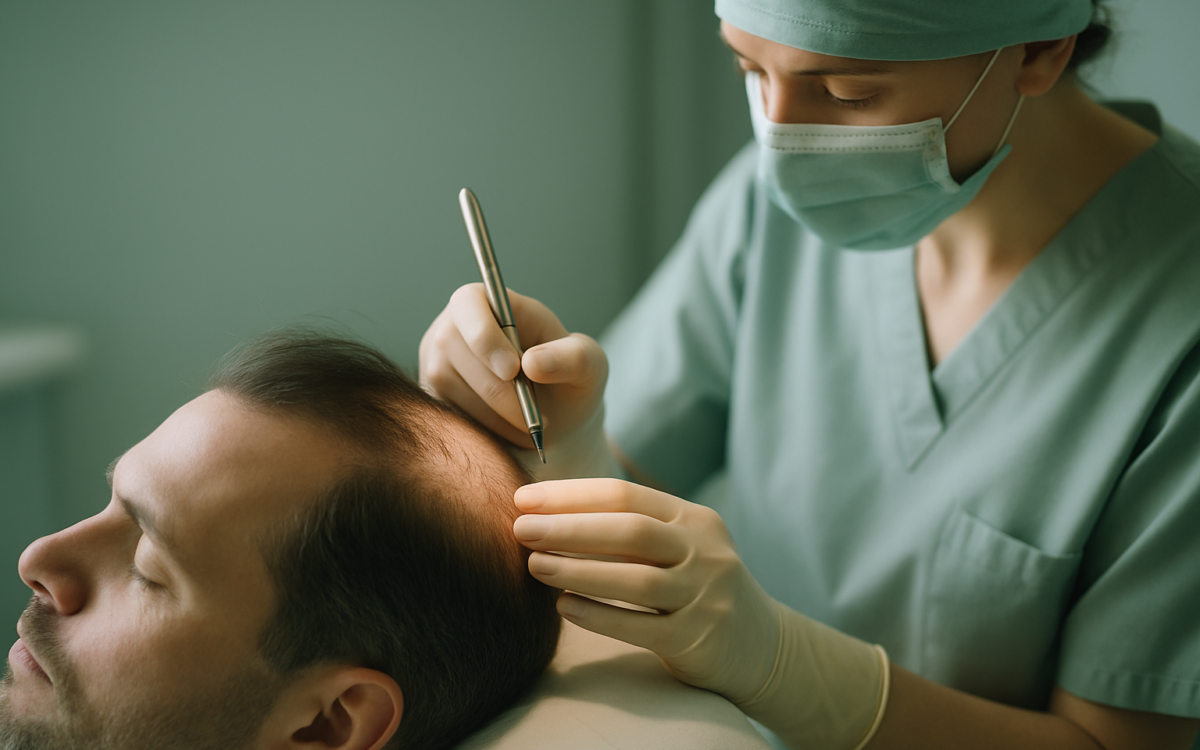
When it comes to addressing hair loss, many people seek effective and lasting solutions. Hair surgery has emerged as a popular option for those wishing to restore not just the appearance of their hair but also their confidence. With various methods available, understanding what hair surgery entails can help individuals make informed decisions about their treatment options.
What is Hair Surgery?
Hair surgery, also known as hair restoration surgery, is a procedure aimed at treating hair loss or thinning hair. It typically involves the transplantation of hair follicles from one area of the scalp to another, where hair is sparse or nonexistent. This allows for a fuller head of hair, though the results can vary based on individual circumstances, including the cause of hair loss and hair type.
Types of Hair Surgery
There are several methods of hair surgery, and choosing the right one depends on your specific condition and preferences. Here are two of the most popular procedures:
Follicular Unit Transplantation (FUT)
FUT is a traditional method where a strip of scalp containing hair follicles is removed from a donor area, usually the back of the head. The strip is then dissected into smaller units, which are individually implanted into the areas where hair is thinning. This technique often leaves a linear scar but can yield natural-looking results when performed by a skilled surgeon.
Follicular Unit Extraction (FUE)
FUE is a more modern technique that involves extracting individual hair follicles directly from donor areas without removing a strip of scalp. The follicles are then transplanted into the thinning areas. This approach usually results in minimal scarring, a quicker recovery time, and less postoperative discomfort. Many patients prefer FUE for its less invasive nature.
Benefits of Hair Surgery
Opting for hair surgery can provide several benefits, including:
- Natural Appearance: When performed correctly, hair transplants can appear natural and blend seamlessly with existing hair.
- Long-Lasting Results: Unlike temporary solutions like wigs or hairpieces, hair surgery can provide a permanent solution to hair loss.
- Increased Confidence: Restoring hair can boost self-esteem and improve overall quality of life.
Risks and Considerations
While hair surgery can be beneficial, it is important to consider potential risks and drawbacks:
- Scarring: Techniques like FUT may leave noticeable scars, while FUE minimizes but does not completely eliminate scarring.
- Cost: Hair surgery can be expensive, and many insurance plans do not cover cosmetic procedures.
- Results May Vary: Not every patient is a good candidate for hair transplantation, and results can depend on factors such as hair type, growth patterns, and the skill of the surgeon.
Recovery After Hair Surgery
Recovery from hair surgery varies depending on the technique used. For FUT, patients may experience swelling and discomfort for a few days, while FUE tends to have a shorter recovery period. Post-operative care instructions are crucial and often include:
- Avoiding strenuous activities for a few weeks.
- Using prescribed medications to manage pain and reduce the risk of infection.
- Maintaining a gentle hair care routine to encourage optimal healing.
Most patients can return to normal activities within a week, but it may take several months to see the full results of the procedure.
Finding a Qualified Surgeon
Choosing the right surgeon for hair surgery is critical to achieving desired outcomes. When searching for a qualified professional, consider the following:
- Look for board certification in dermatology or plastic surgery.
- Check for experience specifically in hair restoration techniques.
- Read reviews and testimonials from previous patients.
- Schedule consultations to understand the surgeon’s approach and discuss your expectations.
Alternative Treatments for Hair Loss
Hair surgery isn’t the only option for managing hair loss. There are other treatment avenues worth exploring:
- Medications: FDA-approved treatments such as minoxidil (Rogaine) and finasteride (Propecia) may help slow hair loss and, in some cases, promote regrowth.
- Low-Level Laser Therapy: This non-invasive treatment uses laser light to stimulate hair follicles and improve hair growth.
- Scalp Micropigmentation: A cosmetic tattooing technique that creates the appearance of fuller hair by adding pigmentation to the scalp.
When to See a Doctor
If you are experiencing significant hair loss or thinning, consider consulting with a healthcare professional. They can help determine the cause of your hair loss and discuss treatment options that are appropriate for your situation. In some cases, hair loss can be a sign of an underlying medical condition, such as thyroid issues or hormonal imbalances, and addressing these medical concerns can be beneficial.
Each individual’s journey with hair loss is unique. With the right knowledge and support, navigating hair surgery and other treatment options can lead to solutions that restore both hair and confidence.
For more information on hair loss treatments, you can visit Mayo Clinic or NIH for rigorous evidence-based insights.
