
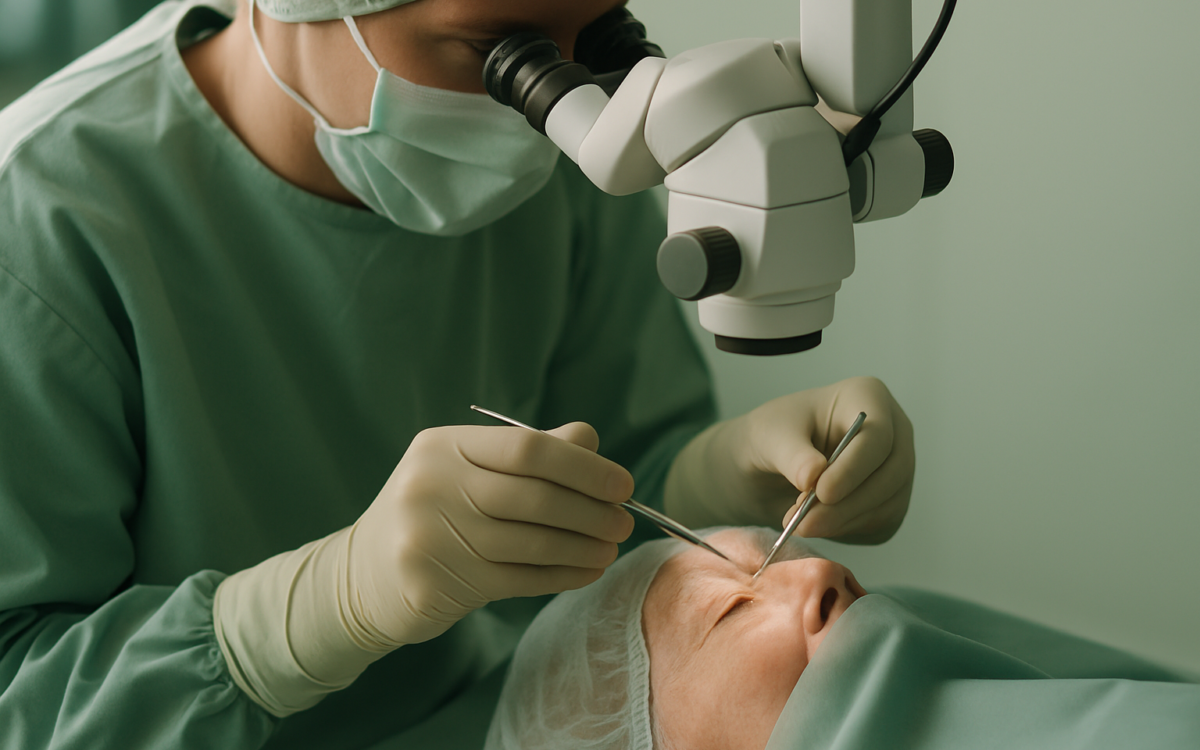
Cataracts can significantly affect your vision, turning once-clear views into blurred or cloudy images. Fortunately, cataract removal surgery is a common and effective solution. Understanding the procedure, recovery, and the importance of eye health can help you navigate this essential aspect of vision care.
What Are Cataracts?
Cataracts form when the lens of the eye becomes cloudy, typically due to aging. Although they can occur at any age, they are most prevalent in older adults. Factors such as diabetes, excessive sunlight exposure, smoking, and certain medications can increase the chances of developing cataracts. According to the National Heart, Lung, and Blood Institute, cataracts can significantly impair daily activities, making it crucial to seek help when faced with these changes.
Signs and Symptoms of Cataracts
Recognizing the signs of cataracts can lead to timely treatment. Common symptoms include:
- Blurred or cloudy vision
- Difficulty seeing at night
- Sensitivity to glare or bright lights
- Frequent changes in prescription glasses
- Seeing halos around lights
- Double vision in one eye
If you experience any of these symptoms, consult an eye care professional.
Preparing for Cataract Removal Surgery
Once diagnosed with cataracts, your doctor may recommend cataract removal surgery. This procedure is usually done on an outpatient basis, meaning you won’t need to stay in the hospital overnight. Before surgery, your eye care provider will:
- Discuss the procedure and its risks
- Conduct a thorough eye examination
- Measure your eye to determine the right lens implant
It’s essential to ask questions and express any concerns you may have about the surgery. Your comfort is key to a successful experience.
The Cataract Removal Procedure
The primary method for cataract removal is known as phacoemulsification. Here’s a simplified breakdown of the procedure:
- Anesthesia: You will receive local anesthesia to numb the eye, and sedation may be given to help you relax.
- Incision: The surgeon will make a small incision in the cornea.
- Breaking up the cataract: Using ultrasound waves, the surgeon breaks the cloudy lens into tiny pieces.
- Removing the cataract: The fragmented lens is gently suctioned out.
- Inserting the new lens: A plastic or silicone lens (IOL) is inserted to replace the cloudy lens, allowing light to focus correctly on the retina.
- Closing the incision: The incision is often small enough that stitches aren’t necessary; it usually heals on its own.
The whole procedure typically takes less than an hour, and many patients notice improved vision almost immediately.
Recovery After Cataract Surgery
Recovery from cataract removal is usually quick and straightforward. Most patients can resume normal activities within a few days, but it’s essential to follow your doctor’s recommendations, which may include:
- Avoiding strenuous activities and heavy lifting for a week
- Wearing sunglasses outdoors to protect the eyes
- Using prescribed eye drops to prevent infection and control inflammation
While many experience improved vision shortly after surgery, complete healing and stabilization may take several weeks. It’s important to attend all follow-up appointments to ensure your eyes are healing correctly and monitor your vision.
Potential Risks and Complications
Like any surgical procedure, cataract removal carries risks, though serious complications are rare. Potential issues include:
- Infection
- Bleeding
- Swelling
- Retinal detachment
- Persistent blurry vision
Your surgeon will discuss these risks with you prior to the procedure and take steps to minimize them. Understanding what to expect can alleviate anxiety and contribute to a smoother healing process.
When to See a Doctor
If you notice any unusual changes in vision after surgery, such as severe pain, sudden flashes of light, or increased floaters, contact your eye doctor immediately. Early intervention can prevent serious complications.
Conclusion
Cataract removal surgery can offer a renewed clarity of vision and a better quality of life for those affected by this condition. By understanding the procedure, preparation, recovery, and potential risks, patients can approach their surgery with confidence. For more personalized information and to discuss options suitable for your individual circumstances, always consult your eye care provider.
