
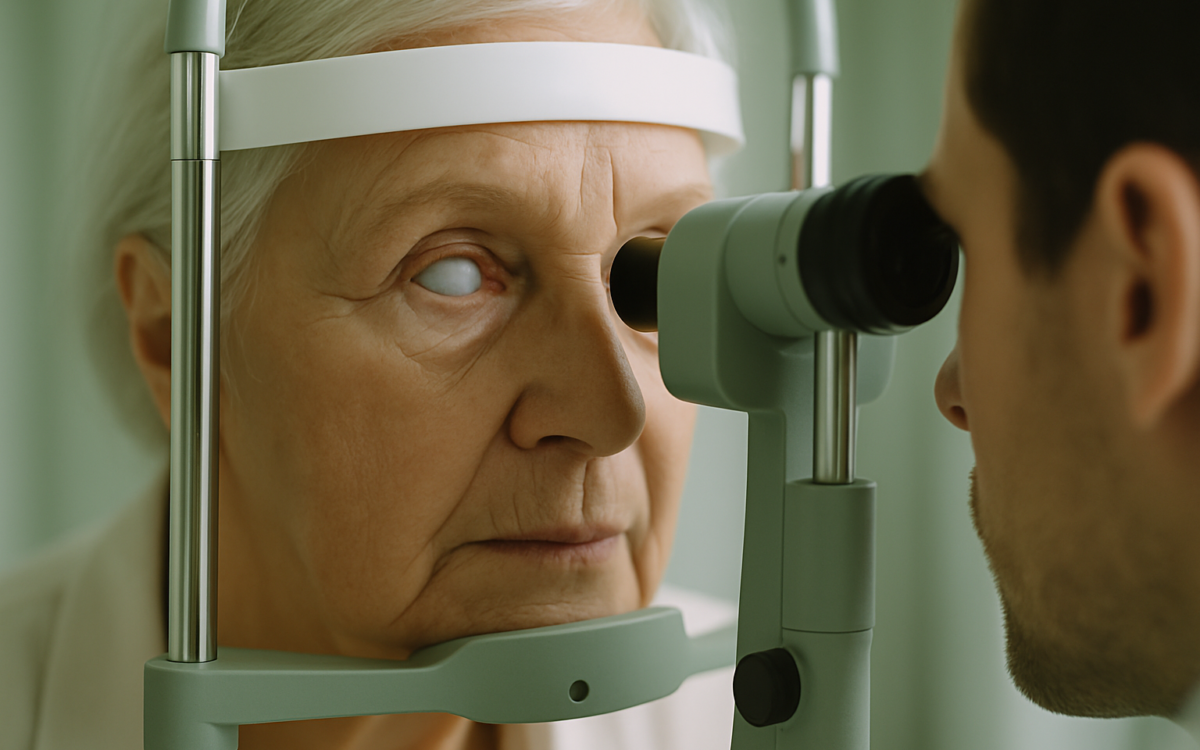
Cataracts are one of the leading causes of vision loss in adults worldwide. They occur when the lens of the eye becomes cloudy, making it difficult to see clearly. In the early stages, you might notice slight changes in your vision. Over time, however, cataracts can lead to significant challenges in everyday activities, such as reading or driving at night. Understanding cataracts is essential for maintaining eye health and ensuring that you can continue to enjoy the world around you.
What Are Cataracts?
A cataract is a clouding of the lens in the eye, which is normally clear. This clouding can affect one or both eyes. As cataracts develop, they can block light from entering the eye, leading to blurry or dim vision. In fact, the World Health Organization estimates that over 65 million people worldwide are visually impaired due to cataracts.
Causes and Risk Factors
Cataracts can develop for various reasons. Some common factors include:
- Aging: The natural aging process is the most significant risk factor for cataracts. Most people will develop cataracts by the time they reach their seventies.
- Genetics: Family history can increase your risk. If your parents or grandparents had cataracts, you may be more likely to develop them.
- Medical conditions: Certain diseases, such as diabetes, can increase the likelihood of cataract formation.
- Environmental factors: Prolonged exposure to sunlight without proper eye protection, smoking, and excessive alcohol consumption can all contribute to the development of cataracts.
Symptoms of Cataracts
The symptoms of cataracts often develop gradually, and many people may not immediately realize they have them. Here are some common signs to watch for:
- Blurred or cloudy vision
- Difficulty seeing at night
- Increased sensitivity to glare or bright lights
- Colors appearing faded or yellowed
- Frequent changes in glasses or contact lens prescriptions
If you notice any of these symptoms, it’s important to consult with an eye care professional. Regular eye exams can help detect cataracts early.
Types of Cataracts
Cataracts can be categorized into different types based on their location and the causes behind them:
- Senile cataracts: The most common type of cataract, associated with aging.
- Congenital cataracts: Present at birth or forming during childhood, often due to genetic factors.
- Secondary cataracts: These cataracts can develop after surgery for other eye conditions, such as glaucoma, or as a result of certain medications.
- Traumatic cataracts: These occur after injury to the eye.
Treatment Options
The good news about cataracts is that they are treatable. The primary treatment for cataracts is surgery, which is one of the most commonly performed procedures in the world and typically has a high success rate. During cataract surgery, the cloudy lens is removed and replaced with an artificial lens, known as an intraocular lens (IOL). This procedure is generally quick, and most patients experience improved vision soon after.
For those considering treatment options, especially international patients seeking high-quality healthcare, resources like international patient services can provide assistance with travel, accommodation, and finding the right specialists.
In the early stages of cataracts, vision can often be improved with prescription glasses or contact lenses. Regular monitoring of your vision can help determine the most appropriate time for surgery, if needed.
Prevention Strategies
While it’s not possible to prevent cataracts entirely, several lifestyle changes may help reduce your risk:
- Protect your eyes: Wear sunglasses with UV protection when outdoors.
- Maintain a healthy diet: A diet rich in antioxidants (fruits and vegetables) may support eye health.
- Quit smoking: If you smoke, seek help to quit.
- Limit alcohol consumption: Reducing your intake can lower your risk.
- Regular check-ups: Schedule regular eye exams to monitor your vision and eye health.
When to See a Doctor
It’s crucial to consult an eye care professional if you experience any changes in your vision, particularly if symptoms like blurry vision, glare sensitivity, or difficulty seeing at night occur. Early detection and treatment can lead to better outcomes. If you find that everyday activities are becoming challenging due to vision problems, it’s time to schedule an appointment.
Eye health is vital for overall wellbeing. Understanding cataracts, their symptoms, and treatment options empowers you to take charge of your vision health. Don’t hesitate to seek professional advice and ensure your eyes remain healthy throughout your life.
