
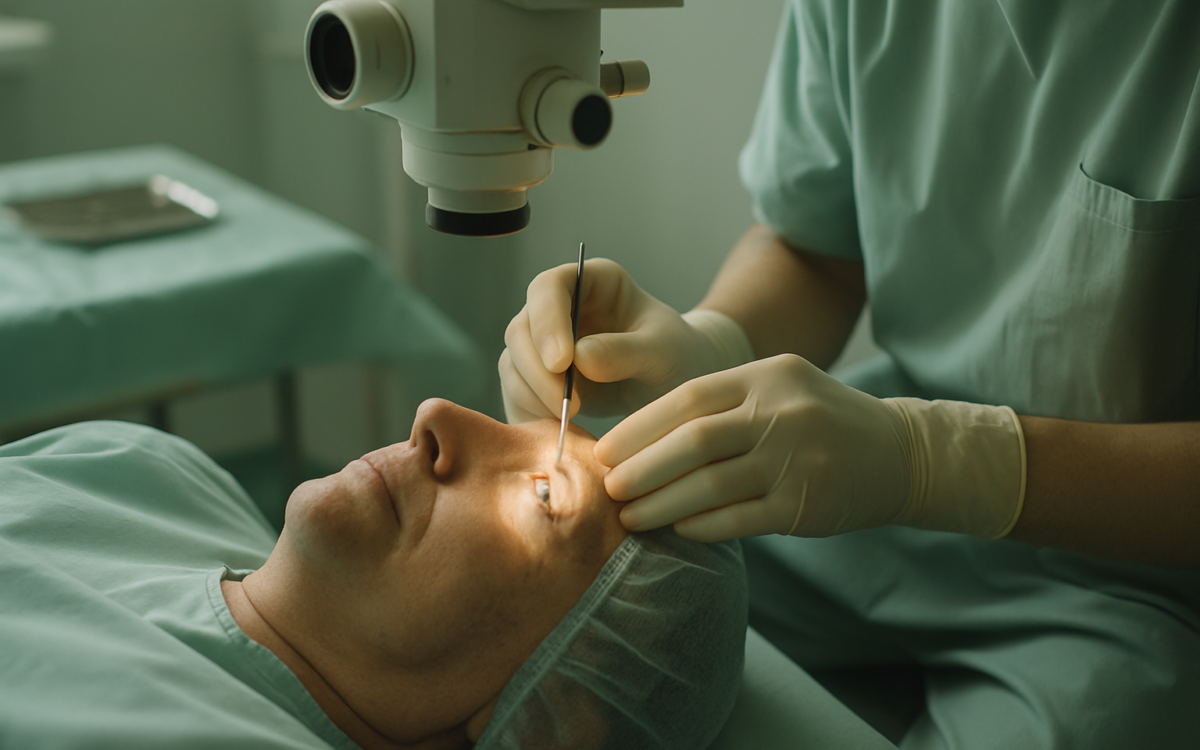
As we age, our vision can change in ways that might require medical intervention. One increasingly popular procedure is eye lens replacement, a surgical option that helps restore clarity to your eyesight. Understanding what this entails and why it may be necessary can empower you to make informed decisions about your eye health.
What Is Eye Lens Replacement?
Eye lens replacement, often referred to as intraocular lens (IOL) surgery, primarily involves the removal of the natural lens of the eye that has become cloudy or impaired, usually due to cataracts. The natural lens is then replaced with a clear artificial lens. This procedure can also be used to correct refractive errors such as myopia (nearsightedness), hyperopia (farsightedness), and presbyopia (age-related difficulty in seeing close objects).
Who Is a Candidate for Eye Lens Replacement?
Many people can benefit from eye lens replacement, particularly those who have:
- Cataracts that interfere with daily activities
- Significant refractive errors that glasses or contact lenses cannot adequately correct
- Vision decrease that affects quality of life
It’s important to consult an eye care professional to evaluate your specific situation. An eye exam can determine whether you would benefit from surgery.
Types of Intraocular Lenses
There are various types of IOLs available, each designed with unique features:
- Monofocal lenses: These provide clear vision at one distance (near or far). Most patients require glasses for other distances.
- Multifocal lenses: These lenses allow for clear vision at multiple distances, reducing the need for glasses.
- Toric lenses: Designed specifically for individuals with astigmatism, these lenses help improve vision by correcting the mismatched curvature of the cornea.
Your doctor will help you choose the best lens type based on your lifestyle and vision needs.
What to Expect During Surgery
Eye lens replacement surgery usually takes less than an hour and is performed on an outpatient basis. Here’s a brief overview of the process:
- Before surgery, you’ll undergo various tests to assess your eye’s health and determine the best lens type.
- On the day of surgery, your eye will be numbed with a local anesthetic, and you may be given a sedative to help you relax.
- The surgeon will make a small incision in the cornea, remove the cloudy lens, and insert the IOL.
- The incision is small enough that it often doesn’t require stitches, and most patients can return home shortly after the procedure.
While surgical techniques can vary, many patients experience a rapid improvement in vision post-surgery.
Benefits of Eye Lens Replacement
Eye lens replacement can offer various benefits, including:
- Improved vision, allowing you to enjoy everyday activities.
- Lowered dependence on glasses or contact lenses, depending on the type of IOL chosen.
- Quick recovery time, with many patients seeing improved vision almost immediately.
Recent advancements in surgical techniques and lens technology mean that the procedure is safer and more effective than ever before. For further information about the benefits of eye lens surgery, you can refer to the National Institutes of Health.
Potential Risks and Drawbacks
Like any surgery, eye lens replacement carries some risks. While serious complications are rare, they can include:
- Infection or inflammation
- Retinal detachment
- Glare, halos, or other visual disturbances
- Need for additional surgery
Discussing these potential complications with your doctor can help you weigh the risks against the benefits. You can find more info on surgical risks at the Cleveland Clinic.
After the Surgery: Recovery and Follow-Up
Recovery from eye lens replacement is generally quick, but following post-surgical care instructions is crucial for optimal healing:
- Use prescribed eye drops to prevent infection and inflammation.
- Avoid strenuous activities and heavy lifting for a few weeks.
- Attend follow-up appointments to monitor recovery and ensure proper vision.
Most patients return to normal activities within a few days, but complete healing may take several weeks.
When to See a Doctor
If you experience any unusual symptoms after your surgery, such as persistent pain, sudden changes in vision, or signs of infection (like discharge or redness), it’s important to consult your care provider right away.
Conclusion
Eye lens replacement surgery is an effective treatment for vision problems stemming from cataracts or other refractive issues. By understanding the procedure, its benefits, and its risks, you will be better prepared to discuss your options with your doctor. Remember that making informed choices about your eye health is a vital part of maintaining your overall well-being.
