
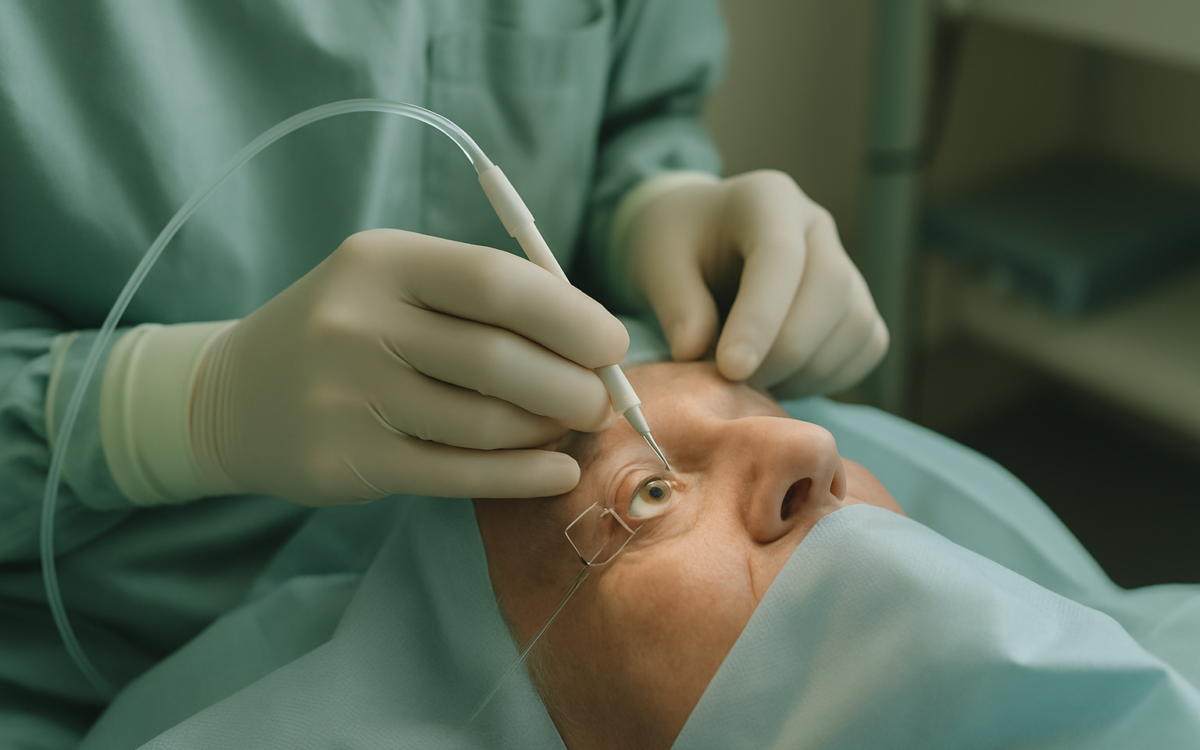
Cataracts can significantly impact your vision, making it difficult to see clearly. For many people, phaco cataract extraction is the key to reclaiming that clarity. This advanced surgical technique has transformed eye care, helping millions to improve their vision each year. Read on to learn what you need to know about this procedure, its benefits, recovery, and what to expect.
What is Phaco Cataract Extraction?
Phaco cataract extraction, also known simply as phacoemulsification, is a minimally invasive surgical technique used to remove cataracts from the eye. During the procedure, a surgeon uses ultrasonic waves to break up the cloudy lens (the cataract) into small pieces. These pieces are then gently suctioned out. This method has replaced older techniques that often required larger incisions and longer recovery times.
Why Choose Phaco Cataract Extraction?
Phaco cataract extraction is favored for several reasons:
- Quick Recovery: Patients often experience a faster recovery time compared to traditional cataract surgeries.
- Minimized Risk: The smaller incision reduces the risk of complications during surgery.
- Improved Vision: Most patients notice a significant improvement in their vision shortly after the procedure.
- Outpatient Procedure: Phaco cataract extraction is usually done on an outpatient basis, meaning patients can go home the same day.
According to the National Institutes of Health (NIH), this procedure has a high success rate, with many patients regaining 20/40 vision or better after surgery. It’s important to discuss with your eye care specialist whether phaco cataract extraction is right for you.
Preparing for Phaco Cataract Extraction
Prior to surgery, you’ll have a thorough eye examination. This preoperative assessment typically includes tests to measure the shape and curvature of your eye, ensuring the doctor selects the best intraocular lens (IOL) for your needs.
Your doctor may ask you to stop taking certain medications, especially blood thinners, to help minimize surgical risks. It’s also advisable to arrange for someone to drive you home afterward, as you may be under sedation during the procedure.
The Procedure: What to Expect
On the day of the surgery, you’ll receive local anesthesia, which means you will be awake but won’t feel any pain during the operation. The procedure typically lasts about 15 to 30 minutes.
Here’s a brief overview of the process:
- Eye Preparation: Your eye will be cleaned and covered with a sterile cloth.
- Making an Incision: The surgeon makes a tiny incision at the edge of the cornea.
- Ultrasound Application: An ultrasonic probe is inserted into the eye, breaking the cataract into small fragments.
- Removal: The fragments are suctioned out, and the surgeon may insert an IOL to replace the original lens.
- Closing Up: The incision is so small that it often doesn’t require stitches, as it will heal naturally.
After the procedure, you will be monitored for a short time to ensure there are no immediate complications. Your doctor will provide instructions for post-operative care.
Recovery After Phaco Cataract Extraction
Recovery from phaco cataract extraction is typically quick. Many patients start to notice improvements in their vision within a few days. Here’s what you can expect during recovery:
- Follow Up Appointments: You will need to see your doctor for follow-up visits to monitor healing.
- Activity Restrictions: Avoid strenuous activities and bending over for at least a week. Your doctor will provide guidelines based on your specific case.
- Medications: You may be prescribed antibiotic and anti-inflammatory eye drops to help with healing and prevent infection.
- Vision Changes: It’s normal to experience fluctuations in vision as your eye heals, but most patients find their vision stabilizes within a few weeks.
If you notice any severe pain, sudden vision loss, or other unusual symptoms, contact your doctor immediately.
Risks and Considerations
While phaco cataract extraction is generally safe, like any surgical procedure, it carries some risks. Potential complications include:
- Infection: As with any surgery, there is a small risk of developing an infection.
- Inflammation: Some patients may experience inflammation inside the eye.
- Retinal Detachment: This is a rare but serious condition that can occur after any eye surgery.
- Vision Issues: In some cases, patients may notice issues like glare or halos around lights.
Most patients find that the benefits of improved vision outweigh these risks. Discuss your concerns with your eye care provider to better understand your personal risk factors.
When to See a Doctor
If you have symptoms of cataracts, such as blurry vision, frequent changes in prescription glasses, or difficulty seeing at night, it’s essential to see an eye care professional. Early intervention can help you make the most of your vision and determine if phaco cataract extraction or another treatment is appropriate.
Consult your doctor if you notice any significant changes in your vision or experience concerning symptoms following surgery.
In conclusion, phaco cataract extraction offers a reliable path to clearer vision for those affected by cataracts. With advancements in technology and surgical techniques, millions are finding relief and improving their quality of life. As with any medical decision, consider all options and consult with a qualified eye care professional to find the best plan for you.
