
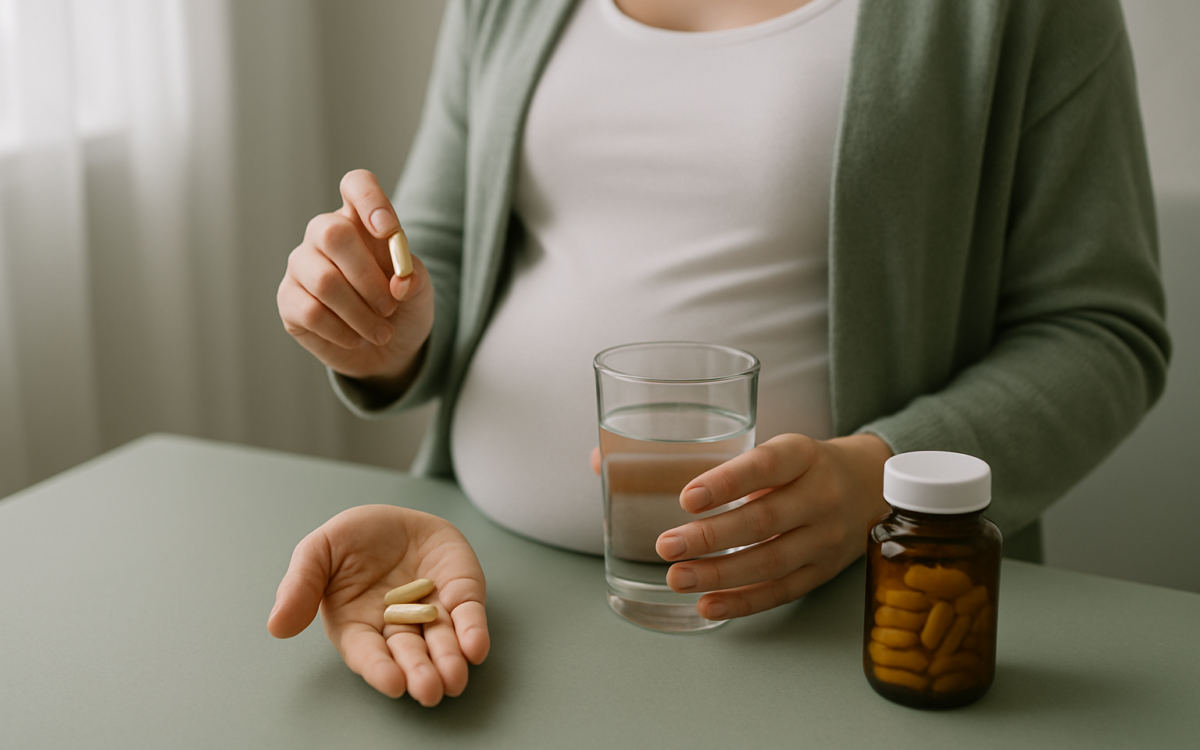
Pregnancy is a beautiful journey filled with excitement and anticipation, but it can also be overwhelming, especially when it comes to nutrition. With so much information available, understanding what supplements you might need can help ensure both you and your baby are healthy. Let’s break down the essential food supplements for pregnant women and why they matter.
Why Are Supplements Important During Pregnancy?
During pregnancy, your body undergoes numerous changes that demand a higher intake of vitamins and minerals. The growing fetus needs nutrients for development, and the mother’s body requires support to maintain her health. While a balanced diet is crucial, supplements can help fill nutritional gaps. According to the National Institutes of Health, specific nutrients are particularly important during this time.
Key Nutrients for Pregnant Women
Here are some of the essential nutrients that pregnant women should focus on:
Folic Acid
Folic acid is perhaps one of the most well-known supplements recommended for pregnant women. It plays a critical role in preventing neural tube defects in the developing baby. Health experts recommend that women start taking folic acid before conception and continue through the first trimester. The Mayo Clinic suggests a daily intake of 400 to 800 micrograms of folic acid.
Iron
Iron is essential for both you and your baby. During pregnancy, your blood volume increases significantly, which means your body requires more iron to produce hemoglobin, the protein that carries oxygen in your blood. Iron supplements can help prevent anemia, a condition characterized by fatigue and weakness. Pregnant women are advised to consume about 27 milligrams of iron daily. Always consult with your healthcare provider about the right dose for you.
Calcium
Calcium is crucial for building the baby’s bones and teeth. Additionally, it supports the mother’s bone health, which can be compromised during pregnancy. Most experts recommend that pregnant women get around 1,000 milligrams of calcium each day. If you struggle to meet your calcium needs through diet alone, a supplement could be a beneficial option.
DHA (Docosahexaenoic Acid)
DHA is an omega-3 fatty acid important for the development of the baby’s brain and eyes. Consuming adequate DHA during pregnancy can also support cognitive function. Pregnant women are often encouraged to include DHA-rich foods, such as fatty fish, in their diet or consider a supplement, particularly those that are vegetarian or vegan, as these diets may lack sufficient DHA sources.
Choosing the Right Prenatal Vitamin
With a myriad of prenatal vitamins available, selecting the right one can feel daunting. Here are some tips:
- Look for vitamins that specifically mention they are designed for pregnancy.
- Ensure they contain the essential nutrients discussed, including folic acid, iron, calcium, and DHA.
- Check for bioavailability; sometimes, the body can absorb certain forms of vitamins better than others.
- Consult your healthcare provider to determine which prenatal vitamin suits your needs best.
Possible Risks and Side Effects
While food supplements can be beneficial, they are not without potential side effects. For instance, taking too much iron can lead to constipation, nausea, or even more serious health issues. Excessive vitamin A intake, commonly found in some prenatal vitamins, can be harmful to the developing baby. It’s vital to follow your doctor’s recommended dosage and not exceed it without professional guidance.
When to See a Doctor
If you have concerns about your diet or supplement intake during pregnancy, it’s always best to check in with your healthcare provider. Signs that you should seek medical advice include:
- Severe nausea or vomiting that prevents you from keeping supplements down.
- Fatigue that doesn’t improve with diet or supplements.
- Signs of anemia, like persistent weakness or pale skin.
- Any unusual symptoms or concerns regarding your pregnancy.
Conclusion
While the journey of pregnancy is exciting, it requires careful attention to nutrition. Understanding which food supplements can enhance your health and support your developing baby is crucial. By focusing on essential nutrients like folic acid, iron, calcium, and DHA, you can help promote a healthy pregnancy. Always remain in communication with your healthcare provider about your nutritional needs and supplement choices to ensure that both you and your baby stay healthy and thriving.
