
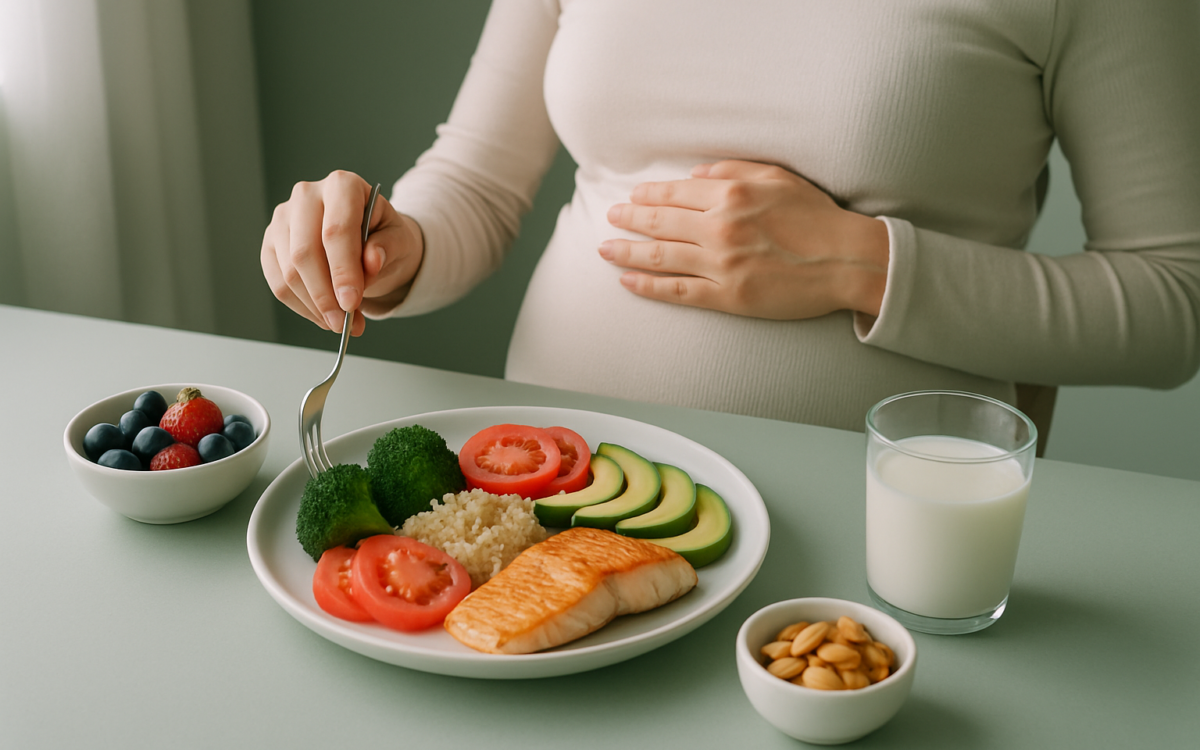
Pregnancy is a beautiful journey, filled with excitement and anticipation. It’s also a crucial time for ensuring both mother and baby get the right nutrition. What you eat can significantly affect the health and development of your baby. With so much information available, it can be tricky to know what foods are best to include in your diet while pregnant. This article will help you navigate the essentials.
Fruits and vegetables: Nature’s vitamins
Fruits and vegetables are packed with essential vitamins, minerals, and fiber. They should play a key role in your pregnancy diet. Here are some top picks:
- Leafy greens: Spinach, kale, and Swiss chard are rich in iron, calcium, and folate.
- Berries: Blueberries, strawberries, and raspberries are high in antioxidants and vitamin C.
- Citrus fruits: Oranges and grapefruits are excellent sources of vitamin C and help with iron absorption.
Incorporating a rainbow of fruits and vegetables into your meals can help ensure you’re getting a variety of nutrients essential for both you and your baby.
Whole grains: Fuel your body
Whole grains provide much-needed energy and nutrients during pregnancy. Opt for whole grains over refined grains whenever possible. Here’s what to consider:
- Quinoa: A complete protein, packed with fiber, it’s a great substitute for rice or pasta.
- Brown rice: This whole grain is high in fiber and helps to keep you full longer.
- Oats: Not only do they provide energy, but oats are also a good source of iron and can help with morning sickness.
Adding whole grains can help maintain your energy levels and aid in digestion during pregnancy.
Protein power: Building blocks for baby
Protein is vital during pregnancy because it’s essential for your baby’s growth and development. Whether you prefer animal or plant-based sources, here’s where to find it:
- Lean meats: Chicken and turkey provide iron and protein crucial for fetal development.
- Fish: Fatty fish like salmon offer omega-3 fatty acids, which are vital for brain development. Aim for low-mercury options.
- Legumes: Beans, lentils, and chickpeas are excellent plant-based protein sources, also rich in fiber and folate.
Incorporating a variety of proteins can support both your health and your baby’s development.
Dairy and calcium-rich foods: Strengthening bones
Calcium is essential for building your baby’s bones and teeth. It also helps prevent pregnancy complications. Consider these calcium-rich foods:
- Milk: Whether whole, low-fat, or non-dairy options, milk is a key source of calcium and vitamin D.
- Yogurt: A great source of protein and probiotics, yogurt can enhance gut health.
- Cheese: Opt for pasteurized varieties, which are safe and provide a creamy source of calcium.
These foods will help ensure that you meet your calcium needs during pregnancy.
Healthy fats: Essential for development
Fats are often misunderstood, but healthy fats are crucial during pregnancy. They support brain development and help absorb fat-soluble vitamins. Include these in your diet:
- Avocados: Packed with monounsaturated fats, avocados also provide potassium and folate.
- Nuts and seeds: These are tasty snacks full of healthy fats and protein. Almonds, walnuts, and chia seeds are excellent choices.
- Olive oil: A staple in Mediterranean diets, it provides healthy fats that are beneficial for heart health.
Managing fat intake wisely will enhance your overall nutrition while pregnant.
International perspectives on prenatal nutrition
Many cultures have unique perspectives on what to eat during pregnancy. For instance, some cuisines emphasize specific foods believed to boost energy and health, such as fish in Japanese diets or legumes in Middle Eastern meals. For those considering international treatment options or unique dietary recommendations during pregnancy, resources such as acibademinternational.com can provide valuable insights. Exploring diverse food cultures can enrich your meal planning and ensure a balanced diet.
Hydration: Don’t forget to drink up
While food plays a significant role in your pregnancy diet, hydration is often overlooked. Staying hydrated is vital for overall health. Water helps increase blood volume and supports kidney function:
- Aim for at least 8-10 cups of water daily, or more if you’re active or live in a hot climate.
- Herbal teas and natural juices can also contribute to hydration, just be mindful of added sugars.
- Watch for signs of dehydration, such as dark urine or dizziness.
Keeping yourself hydrated will help both you and your baby thrive.
When to see a doctor
If you have any concerns about your diet or experience unusual symptoms during pregnancy, consult your healthcare provider. They can provide guidance and recommend supplements if needed, ensuring both you and your baby are healthy.
Maintaining a balanced diet during pregnancy is key to supporting your health and your baby’s development. With the right foods, you can create a nourishing foundation for this exciting journey ahead.
