
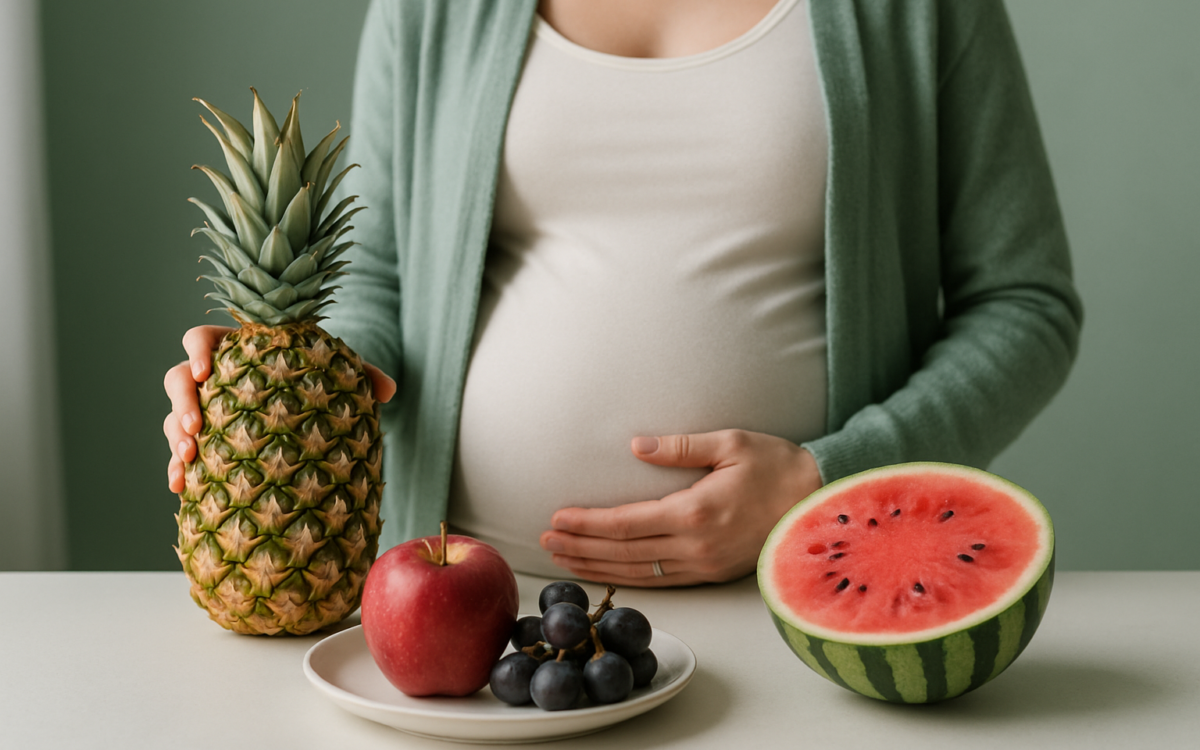
Pregnancy is a beautiful journey filled with anticipation and joy, but it can also come with its share of challenges. One important aspect of this journey is your diet, especially what you eat. While fruits are generally healthy and packed with nutrients, some fruits can pose risks during pregnancy. Knowing which fruits to avoid is essential for a safe and healthy pregnancy.
High-Risk Fruits
Some fruits carry a higher risk of contamination or adverse reactions during pregnancy. These include:
- Papaya: Unripe or semi-ripe papaya can trigger contractions and lead to premature labor. It contains latex, which can affect the safety of your pregnancy.
- Pineapple: Pineapple contains bromelain, an enzyme that can cause softening of the cervix. While eating pineapple in moderation is usually safe, avoid consuming large quantities.
- Unwashed Fruits: Always wash fruits thoroughly before consumption to eliminate harmful bacteria and pesticides that can be harmful to you and your baby.
Fruits with High Sugar Content
During pregnancy, managing sugar intake is essential to keep your energy levels stable. Some fruits are high in sugar, which could lead to gestational diabetes if consumed excessively. Here are some fruits you might want to limit:
- Mangoes: While delicious and nutritious, mangoes are high in sugar. Enjoy them in moderation.
- Grapes: Grapes can lead to a spike in blood sugar if consumed in large quantities due to their high sugar content.
- Bananas: Bananas are another fruit that can contribute to high sugar levels. Eating them occasionally is fine, but be mindful of portion sizes.
Certain Dried Fruits
Dried fruits can be an easy and convenient snack, but they often contain added sugars and preservatives. Consider being cautious with:
- Dried Apricots: These contain high amounts of sugar and calories. Choose fresh over dried when possible.
- Raisins: Raisins are also calorie-dense and sugary. Assess the portions while snacking.
Fruits Known for Allergies
Some fruits have a higher likelihood of causing allergic reactions. If you or your family members have a history of allergies, take caution with these:
- Citrus Fruits: While rich in vitamin C, citrus fruits can sometimes trigger allergies.
- Stone Fruits: Peaches, cherries, and plums have stone fruit allergies linked to oral allergy syndrome. If you have concerns, discuss alternatives.
Extra Tips for Fruit Safety
To enjoy the benefits of fruits while minimizing risk, consider these safety tips:
- Wash Your Fruits: Always wash fruits under running water to remove dirt and pesticide residues.
- Choose Organic: Whenever possible, opt for organic fruits, as these are generally lower in harmful chemicals.
- Limit Fruit Juices: Whole fruits are preferable to fruit juices, which often contain high levels of sugar and fewer nutrients.
When to See a Doctor
If you have questions about your diet during pregnancy or experience allergic reactions, it’s always best to consult your healthcare provider. They can guide you on what to include in your diet and what you should avoid.
Conclusion
Pregnancy is a time to nourish your body and your baby. Being informed about which fruits to avoid can make a significant difference in your health journey. While fruits provide essential vitamins and minerals, it’s crucial to choose wisely and focus on moderation. Enjoy a variety of safe fruits while being aware of the potential risks to ensure a healthy pregnancy.
